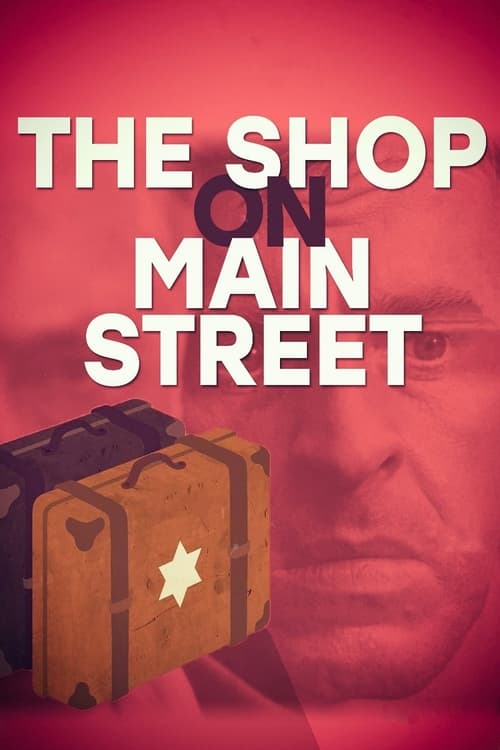
Drama · War
The Shop on Main Street
Czech (Obchod na korze)
1965 · Directed by Ján Kadár & Elmar Klos · 128 min


Drama · War
Czech (Obchod na korze)
1965 · Directed by Ján Kadár & Elmar Klos · 128 min



Meaning, unpacked
Central idea
The film explores how ordinary cowardice, shaped by small rewards and social pressure, makes persecution possible, and what happens when one weak man begins to feel real responsibility. It can be read as a tragedy of a person too late to become brave.
What it means
A carpenter is handed a shop he never asked for, and a widow who doesn't understand why he's there. By the end, his panic during the round-up leads to her death, and then his own. The film's central idea is simple and uncomfortable: ordinary cowardice, nudged along by small rewards and social pressure, is what makes persecution possible.
Tono never sets out to harm anyone. He takes a position, a salary and a quiet life, and that is enough. Money keeps his conscience comfortable and his position vague, since he is paid by both the authorities and the Jewish community supporting the widow. Fear does the rest. The film treats this as a moral problem, not a crime story, and the town around him adapts to the new regime with festivals, gossip and petty opportunism. Tono isn't a monster. He is someone we might recognise, and the film asks when we would have found our courage.
Why it mattered
Kadár and Klos move from satire to tragedy gradually, in the same observational style throughout. The early comedy in the shop, where neither Tono nor the deaf, confused Rozalie sees the situation clearly, is never cancelled. It becomes the reason the later scenes hurt. Clear, bright daylight makes the town look ordinary and open, so the darkness arrives without stylised horror.
The story is told from the viewpoint of a non-Jewish bystander, and its concern is how decent-seeming neighbours become complicit. It is also not a Czech film about occupation: it is a Czechoslovak production set in Slovakia, during the wartime Slovak state, a nominally independent regime allied with Nazi Germany. It was an early, influential way of telling Holocaust stories through small, everyday detail rather than spectacle.
Before anyone tells you what to think: what did you make of it?
Log in to rate it and leave commentsIt takes one click with Google or an email link. You come straight back here.
Rate it, keep your notes, and find the next film.
Free, no ads. Your journal, your lists, a Cine Guide that remembers you.
Create your free spaceThe film was widely acclaimed on release in the mid-1960s. It won the Academy Award for Best Foreign Language Film, Ida Kamińska was nominated for Best Actress, and it became one of the most visible films of the Czechoslovak New Wave. It helped establish the tragicomic approach to Holocaust stories, where gentle humour sharpens the horror, and later films about ordinary people in historical catastrophe share its method.
In Slovakia and Czechoslovakia, it put local Aryanization and neighbours' complicity before a mass audience. Tono has become a standard example of ordinary passivity. Today it remains one of the most respected European films about the Holocaust and bystander complicity, and its restraint seems more striking than ever. It is still screened in courses on Holocaust representation and East European cinema.
What happens
During the round-up, a drunk, panicking Tono shoves Rozalie into a back room to hide her from the guards, and in the confusion she dies. Realising what he has done, he hangs himself.
The last image
Tono and Rozalie, dressed up, walk happily together through a bright, sunlit town square.
What it says
Tono's protection becomes the cause of her death: panic and small evasions, not malice, make catastrophe possible. The dream shows the life that could have been, and the contrast with what you just saw is the film's final blow.
Or follow an idea from this film

Explore the era or movement
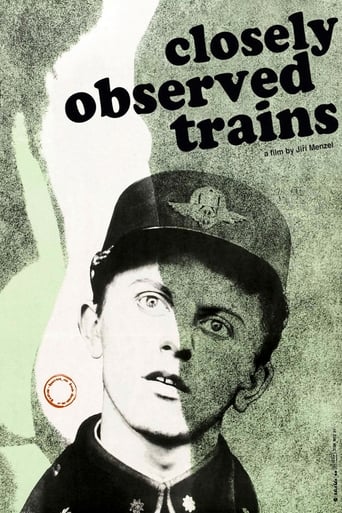
Closely Watched Trains (1966)
Another Czechoslovak New Wave classic that mixes comedy, shy young manhood and wartime tragedy, showing how the same moment gave different results.
Compare another approach
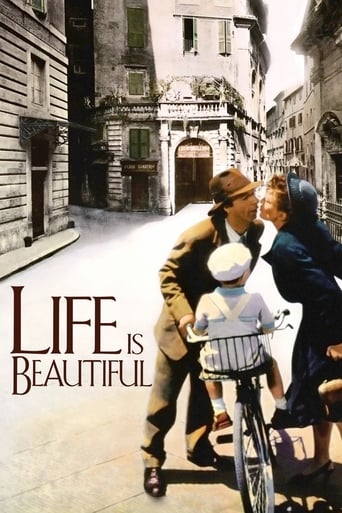
Life Is Beautiful (1997)
A comic-tragic Holocaust film that makes a useful comparison with Kadár and Klos's gentler, more morally ambiguous approach.
Follow the idea
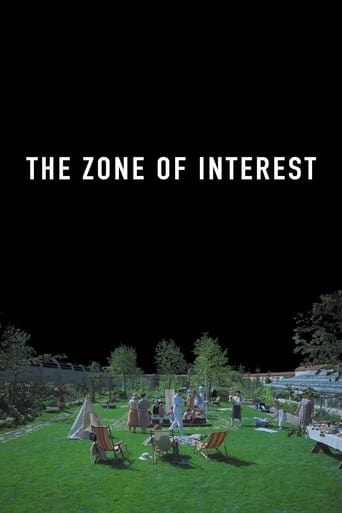
The Zone of Interest (2023)
Continues the question of complicity and ordinary life beside persecution, using radically different, colder methods.

Compare another approach
Ida (2013)
A later Central European film that examines the Holocaust's legacy and individual memory through restraint and black-and-white imagery.
Continue the director
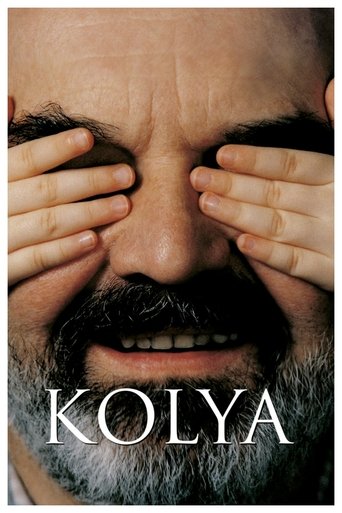
Kolya (1996)
A later Czech film about a reluctant, flawed man changed by an unexpected relationship, with a similar humane tragicomic spirit.