Drama · History
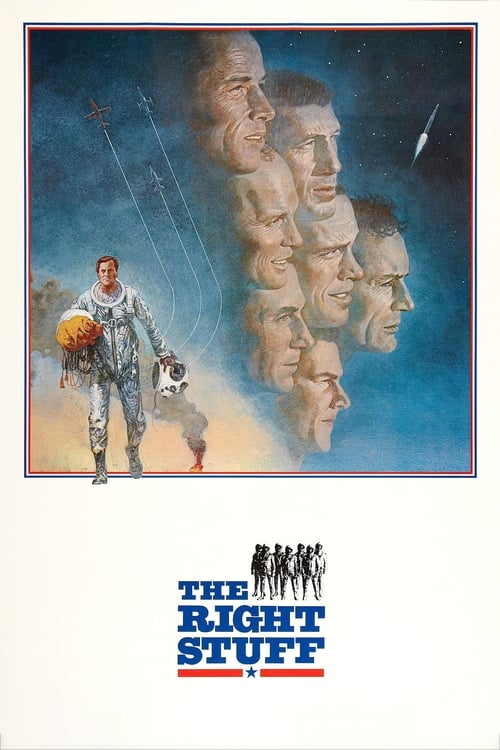
The Right Stuff
American
1983 · Directed by Philip Kaufman · 193 min


Drama · History
American
1983 · Directed by Philip Kaufman · 193 min








Meaning, unpacked
Central idea
The film explores how courage is made, tested and sold. It sets private, unglamorous bravery against the public image of the hero, and can be read as asking whether the myth helps or distorts the people at its centre.
What it means
The Right Stuff is about two kinds of hero: Chuck Yeager, who breaks barriers far from any crowd, and the Mercury Seven, who become famous before they have done much at all. The film keeps cutting between them, and that is where its meaning lives. Its central idea is how courage is made, tested and sold.
Yeager's quiet, instinctive flying sets the ideal, and every astronaut scene is measured against it. The medical tests treat proud pilots as specimens. Then cameras, politicians and crowds turn them into icons, and the film asks who creates the legend and what it demands of the people inside it. Test pilots prize independence, while the space programme wants obedience and teamwork. Death is always close, handled through ritual, humour and silence. The wives show what bravery costs those left waiting. It is affectionate but skeptical, not a flag-waving celebration of NASA.
Why it mattered
In the early 1980s, this was a big American epic that reworked the national myth of the astronaut hero for an audience that had lived through Vietnam and Watergate. It balanced reverence with doubt about how images get manufactured. Philip Kaufman, who wrote the final script from Tom Wolfe's 1979 book, built a broad ensemble story that contrasts Yeager with the Mercury Seven and keeps Wolfe's irony.
It mattered for its craft, too. Caleb Deschanel's photography gives the desert and sky a warm, mythic glow that makes people look small. Real aircraft, cockpit photography and carefully built effects let you feel the limits of machines and bodies, without any digital tricks. Bill Conti's brassy score pushes the myth forward while the images sometimes complicate it, and that tension is deliberate.
Before anyone tells you what to think: what did you make of it?
Log in to rate it and leave commentsIt takes one click with Google or an email link. You come straight back here.
Rate it, keep your notes, and find the next film.
Free, no ads. Your journal, your lists, a Cine Guide that remembers you.
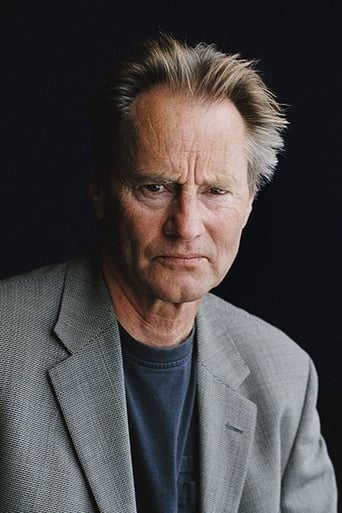
Create your free spaceCritics widely praised its scale, humour and craft. It earned eight Academy Award nominations, including Best Picture and Best Supporting Actor for Sam Shepard, and won four: Film Editing, Sound, Sound Effects Editing and Original Score. But it was expensive and did not earn its cost back in theatres. Its audience grew through awards, television and home video.
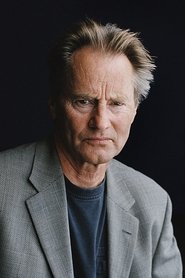
Its reputation has kept rising. It is often cited as one of the best American films about the space programme, and it helped set the template for later dramas such as Apollo 13. It spread Wolfe's phrase "the right stuff", still used for astronauts, pilots and anyone seen as having it, and Shepard's laconic Yeager became a lasting image of the cool test pilot. Some viewers note it gives little attention to women's perspectives, and that it mythologises Yeager even as it mocks other myths. Perhaps that is its last joke: three hours questioning how legends get made, then a few of its own.
What happens
Gordon Cooper's flight, the last Mercury mission, goes well. Back in the desert, Yeager pushes a jet to extreme altitude and survives a violent ejection. The film closes by honouring both groups, putting the astronauts and the test pilots on equal footing.
The last image
The film closes on a tribute to both the astronauts and the test pilots, the quieter kind of courage given the same weight as the famous kind.
What it says
The ending refuses to choose between its two kinds of hero. Yeager's solitary danger balances the managed publicity, so the film honours courage while still questioning how legends are made. It even makes a few legends of its own.
Or follow an idea from this film

Compare another approach
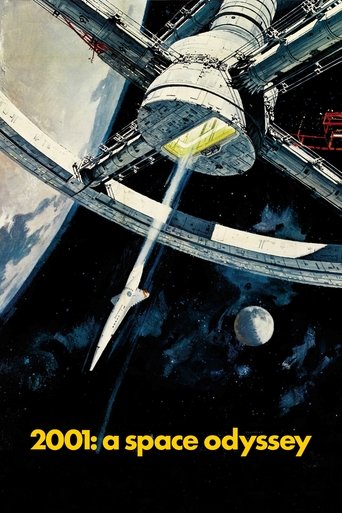
2001: A Space Odyssey (1968)
Compare a visionary, abstract view of space with this film's grounded, human and satirical take on the people who first went there.
Follow the idea
Dr. Strangelove (1964)
Another look at Cold War institutions and military masculinity, here pushed to bleak comedy.

Jump forward
Interstellar (2014)
A modern space epic where human emotion and scientific effort drive the story, useful for seeing how spaceflight cinema evolved.
Explore the era or movement
Raiders of the Lost Ark (1981)
An example of the early-1980s Hollywood emphasis on physical, practical spectacle, from a very different genre.

Continue the director
Invasion of the Body Snatchers (1978)
Kaufman's earlier film shows his skill with ensemble and atmosphere, in a paranoid science fiction setting.