Comedy · Drama · Family · Fantasy
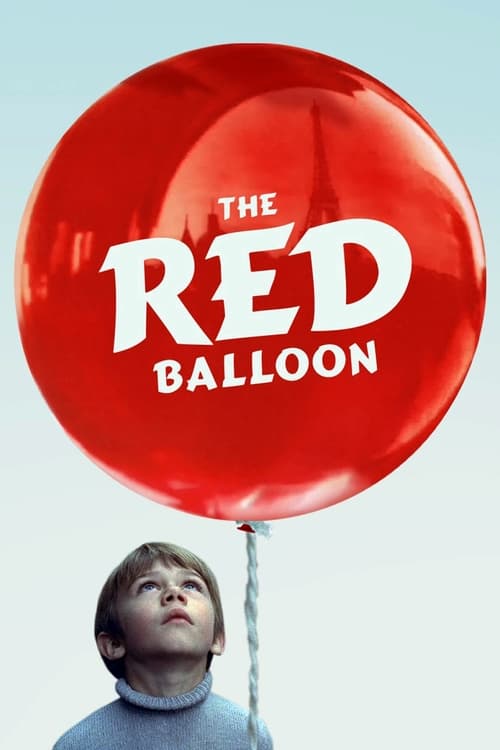
The Red Balloon
French (Le Ballon rouge)
1956 · Directed by Albert Lamorisse · 34 min


Comedy · Drama · Family · Fantasy
French (Le Ballon rouge)
1956 · Directed by Albert Lamorisse · 34 min





Meaning, unpacked
Central idea
The film can be read as a fable about imagination and freedom, and about how fragile both are in a world of ordinary, practical people. The balloon stands for a private, joyful attachment that the surrounding world does not easily allow.
What it means
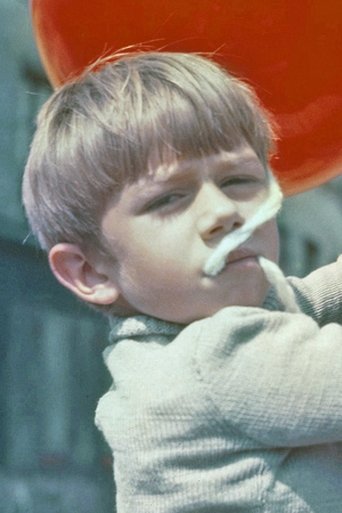
A boy frees a red balloon from a lamppost, and it follows him through the streets of Paris. Other boys destroy it. Then balloons from all over the city come to lift him away. That is all the plot you need. What matters is how the film treats it.
At heart, The Red Balloon is a fable about imagination and freedom, and how fragile both are in a world of practical people. School, church, buses and shopkeepers all impose rules. The balloon simply refuses. Boy and balloon never speak, yet their bond is convincing through gesture, timing and framing, as when the balloon waits outside the window while the boy is kept indoors. The film never explains the magic away. When the balloon meets its end, comedy turns to loss, and the final lift can console you or leave you bittersweet. Both readings hold.
Why it mattered
In 1956 this was a half-hour film with no star and almost no dialogue, and it still reached audiences and prizes around the world. It won the Short Film Palme d'Or at Cannes in 1956, and the following year the Academy Award for Best Original Screenplay. It remains the only short to win in that category.
It showed how much cinema can do with image alone. Colour became character: against faded walls, grey clothes and dark stairways, one saturated red reads instantly. The balloon was a practical effect, a real balloon filmed in real streets, which is why it feels so physical. It behaves with intention through rhythm, distance and timing. Footsteps, crowd noise and Maurice Le Roux's light score carry the mood.
Before anyone tells you what to think: what did you make of it?
Log in to rate it and leave commentsIt takes one click with Google or an email link. You come straight back here.
Rate it, keep your notes, and find the next film.
Free, no ads. Your journal, your lists, a Cine Guide that remembers you.
Create your free spaceThe film became a model for child-and-companion stories told mostly through images, and for short films that speak to children and adults alike. Its red-against-grey image has been echoed in later films, advertisements and children's books. A lone red balloon and a loyal child are now shorthand for innocence and the fragility of childhood joy, even for people who have never seen it. Hou Hsiao-hsien's Flight of the Red Balloon, from 2007, reworked the motif in a contemporary Parisian story.
Today its reputation is secure and has even grown. It is shown in classrooms to teach visual storytelling, symbolism and sound, and it is read both as a children's classic and as a serious art film about loss and imagination. It is also valued as a record of a vanished Paris, since the districts where it was shot were largely redeveloped.
What happens
A gang of boys corners the red balloon and stones it to death. The boy is left crying, until balloons from all over Paris break free, gather around him, and carry him up over the rooftops.
The last image
The boy, holding a great bunch of colourful balloons by their strings, rises over the rooftops of Paris.
Two readings
What it says
The film treats imagination as fragile but unbeatable. The cruelty of the other boys is real, yet joy returns in force. It ends in fantasy because the film never explains its magic. It trusts you to feel it.
Or follow an idea from this film


Compare another approach
The 400 Blows (1959)
Another Paris boy and another famous ending, but realistic and autobiographical. It shows how childhood on the streets of Paris looks in New Wave cinema.

Explore the era or movement
Forbidden Games (1952)
A French film from the same decade seen through children's eyes. It shares the child's perspective on a world run by adults, with a much darker tone.
Follow the idea
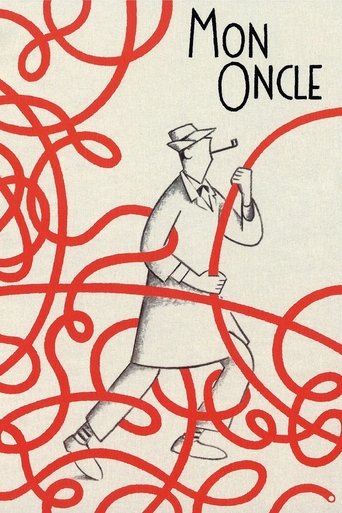
Mon Oncle (1958)
Jacques Tati also builds comedy from gesture, design and sparse dialogue, and sets a child's playfulness against rigid modern adult life.
Jump forward
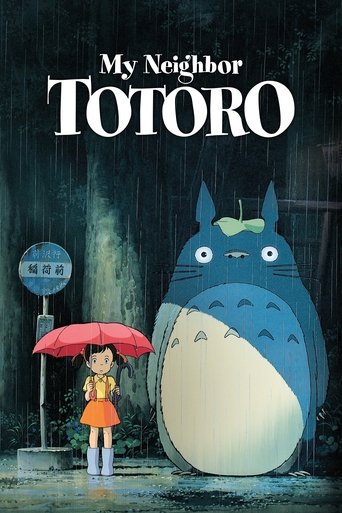
My Neighbor Totoro (1988)
A gentle animated film in which the fantastic enters a child's everyday world without explanation. It shows how this kind of story developed.
See what influenced it
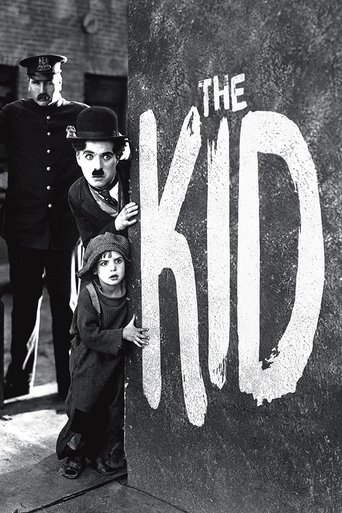
The Kid (1921)
Chaplin's silent film also builds a story around a child's emotional bond, using gesture and pantomime to carry feeling without speech.