Drama · Romance
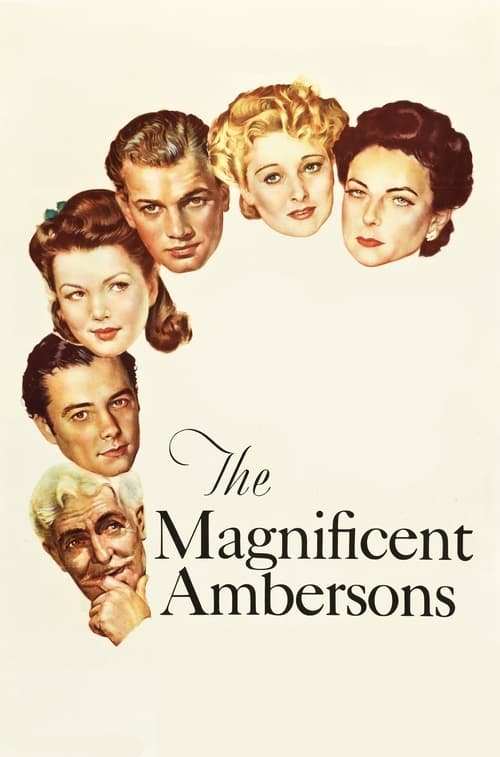
The Magnificent Ambersons
American
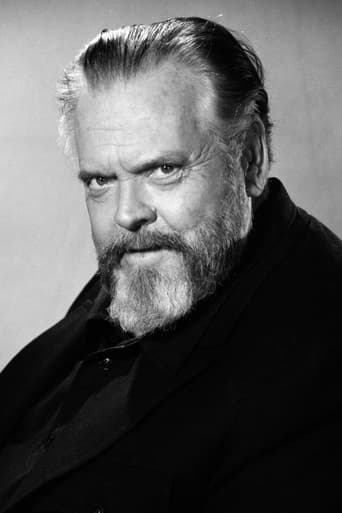
1942 · Directed by Orson Welles · 88 min


Drama · Romance
American
1942 · Directed by Orson Welles · 88 min








Meaning, unpacked
Central idea
The film is about the passing of an old order and the human cost of change. It can be read as an elegy for a leisured, mannered America that is replaced by industry, speed and noise, and a study of how pride and inherited privilege blind people to that shift.
What it means
The Magnificent Ambersons is about a proud family that believes its wealth will last forever. It doesn't. A spoiled son, George, stands in the way of his mother's second chance at love, while the world around them changes faster than any of them can bear. That is all the plot you need, because the film is really about something larger: the passing of an old order and the human cost of change.
It is an elegy for a leisured, mannered America, pushed aside by industry, speed and noise. The automobile is both opportunity and ruin, so the film is never simply nostalgic and never simply cheering for the modern. The narration loves the past even as the story takes it apart piece by piece, and that double vision gives the film its bittersweet feeling. George's arrogance comes from a family that never said no to him, and his jealous attachment turns affection into control. Love, delayed by pride, never gets its moment.
Why it mattered
Welles followed Citizen Kane with something quieter and more tender, and it shows how his technical daring could serve a different kind of story. Stanley Cortez's deep-focus photography shows several planes of action at once, while the shadows gather as the tale darkens. The mansion was built as a huge set, with ceilings and connected rooms, so the camera could glide from space to space. Movement feels like memory moving through a house. Welles's radio background shaped the sound too: people interrupt each other the way real families do, and the narration frames it all like a novel.
Before anyone tells you what to think: what did you make of it?
Log in to rate it and leave commentsIt takes one click with Google or an email link. You come straight back here.
Rate it, keep your notes, and find the next film.
Free, no ads. Your journal, your lists, a Cine Guide that remembers you.
Create your free spaceThen came the studio. After Welles left for Brazil to work on a documentary for the US government, editing and previews went on without him. The 1942 test screenings went badly, and RKO cut the film to eighty-eight minutes and changed its closing section. That is why the hospital ending feels hurried and uneasily consoling. The removed footage was cut from the negative and is believed destroyed, so his original cut is not waiting in a vault. It is cinema's best-known case of a great film seen in a compromised state.
At first, the film did not fare well. It opened as the lower half of a double bill and lost money for RKO. Critics were mixed, praising the craft and the acting while finding the story sombre. It won none of its four Oscar nominations, which included Best Picture and a nomination for Agnes Moorehead. Welles's reputation in Hollywood suffered.
Time has been kinder. Today it is counted among the great American films, and many critics see it as Welles's most emotionally rich work, rivalling Citizen Kane. It became the model story of the director betrayed by the system, a theme that returns in every debate about director's cuts and restorations. Its elegiac look at family and place also shaped later films about aristocratic or small-town decline. The lost cut remains one of cinephile culture's best-known what-ifs, and it is a film school staple for its long takes, moving camera and overlapping dialogue.
What happens
George, run down by a car, lies injured in hospital. Eugene visits and tells him his mother had forgiven him. George, humbled and broke, is quietly reconciled, while Eugene and Fanny are left together.
The last image
Eugene and Fanny sit together, the family's grand world gone, with only each other left.
What it says
The proud family is brought low, and George finally learns what his pride cost. The consoling ending feels hurried because RKO recut it without Welles. It is a small mercy after a fall the film has already shown.
Or follow an idea from this film

Compare another approach
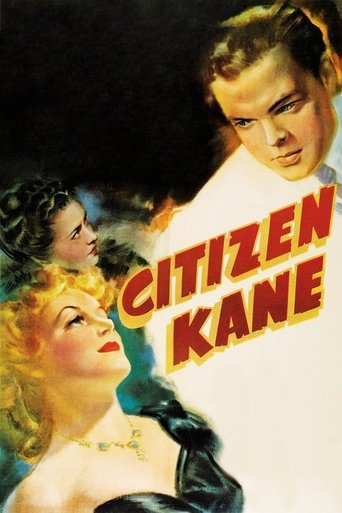
Citizen Kane (1941)
Welles's first film shows the same techniques at full force. Seen together, they reveal how the same style serves a bombastic portrait and a tender elegy.
Continue the director
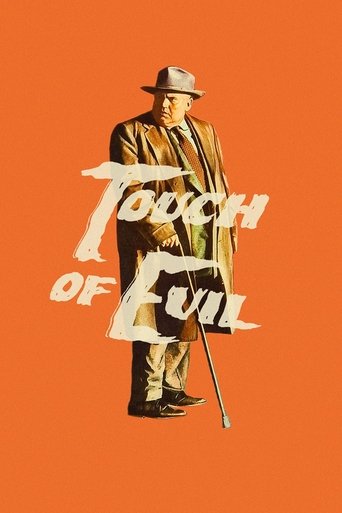
Touch of Evil (1958)
Welles's later Hollywood film, another virtuoso work, also fought over and recut by the studio, with an opening take that is among the most famous in cinema.
Follow the idea
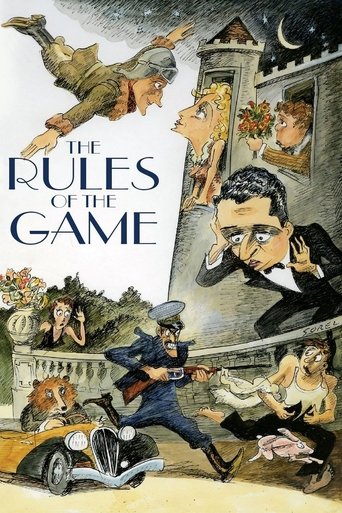
The Rules of the Game (1939)
Renoir's film also watches a privileged society sleepwalk toward its end. Its deep focus and fluid staging make a revealing parallel.
Jump forward
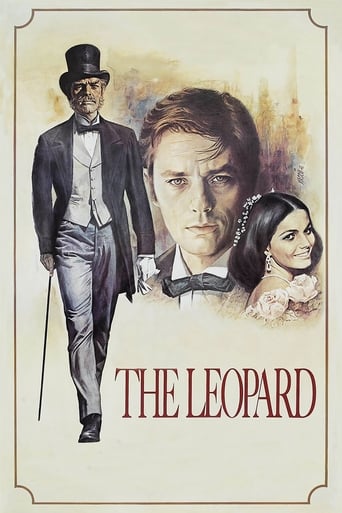
The Leopard (1963)
Visconti's grand tale of a noble family's decline carries the Ambersons' elegy into colour and European history.