Drama · Fantasy · Thriller
The Lighthouse
American
2019 · Directed by Robert Eggers · 109 min


Drama · Fantasy · Thriller
American
2019 · Directed by Robert Eggers · 109 min




Meaning, unpacked
Central idea
The film can be read as an examination of isolation, masculine pride and the stories men tell to survive, in which a lighthouse becomes a pressure chamber for authority, desire and self-deception, and where reality and myth stop being separable.
What it means
Two keepers, one rock, and a light that only one of them is allowed to touch. The plot is thin on purpose. What Robert Eggers builds around it is the point. The Lighthouse is about isolation, masculine pride, and the stories men tell to survive. The tower becomes a pressure chamber for authority, desire and self-deception, and the film never settles what is real. Reality and myth stop being separable, so you share the disorientation rather than watch it from outside.
The power between the older keeper, Wake, and the younger man, Winslow, is part hierarchy, part intimacy, part contest of egos. Wake controls the work, the rules and the light; Winslow resents that and wants it for himself. Both men also carry names, pasts and stories that do not hold, and with no one there to confirm who you are, a self is fragile. The fight over the lamp draws on Prometheus and sea myth, asking what happens to people who reach for what is not theirs. The final image on the rocks can be read as punishment, as vision, or both.
Why it mattered
The Lighthouse did not invent a new language so much as deliberately revive an old one. Eggers and cinematographer Jarin Blaschke shot on black-and-white 35mm film, with special filters and lenses meant to echo early cinema. The result is harsh, grainy and glassy, like an old photograph. The narrow, almost square frame suits the tower and pins faces in close-up with nowhere to go. The sound works the same way: Mark Korven's score and the foghorn blur into a single drone, often more unsettling than anything you see.
Before anyone tells you what to think: what did you make of it?
Log in to rate it and leave commentsIt takes one click with Google or an email link. You come straight back here.
Rate it, keep your notes, and find the next film.
Free, no ads. Your journal, your lists, a Cine Guide that remembers you.
Create your free spaceIt also showed how the past can be reworked rather than copied. The dialogue was written partly from nineteenth-century writing, including Sarah Orne Jewett and Herman Melville, which gives Willem Dafoe's long speeches their rhythm. Days repeat and time slips, so the structure itself disorients you. It premiered in the Directors' Fortnight at Cannes in 2019, where it won the FIPRESCI Prize, and A24 released it later that year.
Critics praised the two performances, the cinematography and the film's nerve, though some found it opaque or punishing. Box office was modest, but it earned an Oscar nomination for Blaschke's cinematography and a strong art-house profile. It helped normalise black-and-white, boxy-frame filmmaking in modern art cinema, and it supported Eggers's move to larger period projects like The Northman and Nosferatu from 2024.
Its life beyond the cinema has been big. Dafoe's tirades and lines like "Why'd ya spill yer beans?" spread as clips and GIFs, and imitating the sea-talk became an online joke. The mermaid, the one-eyed gull and "Hark, Triton, hark!" brought sailors' superstition and Greek myth to a wide audience. It is often cited as a turning point for Robert Pattinson, from teen idol to adventurous art-house actor. Today it is widely seen as a high point of Eggers's career and a film that rewards repeat viewing.
What happens
Winslow attacks Wake, takes the keys and climbs to the lamp. He sees something extraordinary in its light, then falls. He ends up on the rocks below, alive, while gulls eat him.
The last image
Winslow lies naked on the rocks, gulls tearing at him.
Three readings
What it says
The ending turns the film's central idea into a single image. Wanting what is forbidden, in a place with no one to confirm who you are, ends in ruin. Eggers never settles why, so you keep the disorientation the men felt.
Or follow an idea from this film
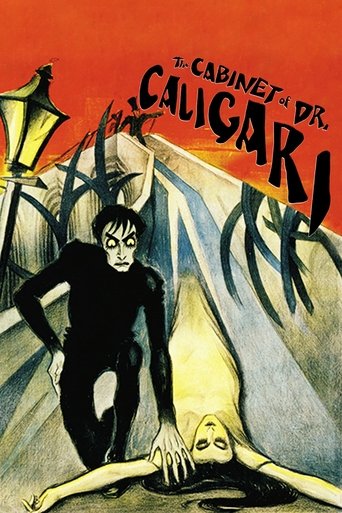

See what influenced it
The Cabinet of Dr. Caligari (1920)
This is the best source for the stylised, theatrical unreality that Eggers draws on. Compare how distorted design and performance make a mind feel unstable.
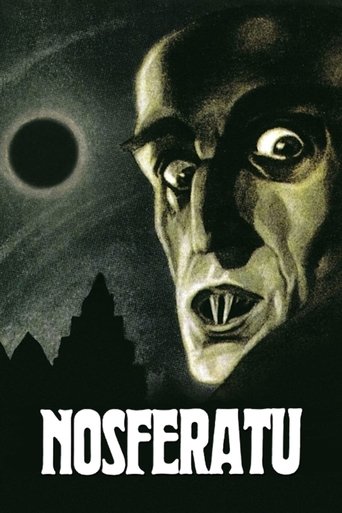
See what influenced it
Nosferatu (1922)
A silent horror classic based on shadow and folklore. It shows the visual language that The Lighthouse revives.
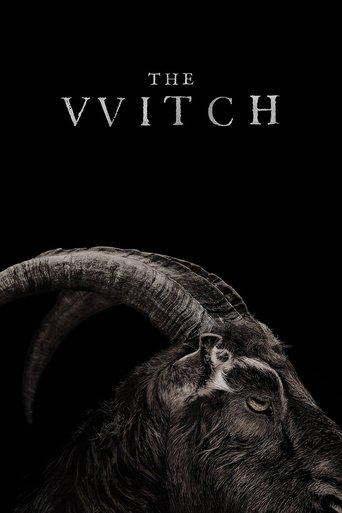
Follow the idea
The Witch (2016)
Eggers's first feature uses the same period dialect and slow dread, in a New England family drama. It shows what carries across his work.

Compare another approach
Aguirre, the Wrath of God (1972)
Another study of obsession and madness in an indifferent landscape, led by a single intense performance.
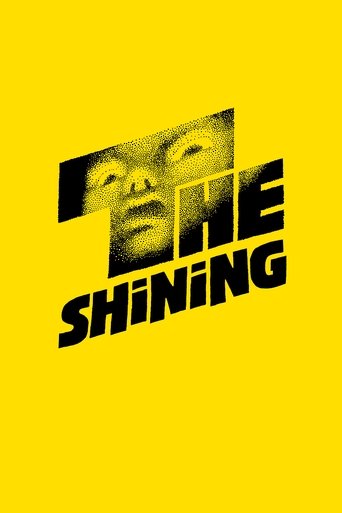
Explore the era or movement
The Shining (1980)
A classic of isolation and a man's collapse inside a closed space. Compare its use of ambiguity and performance with Eggers's.