Drama
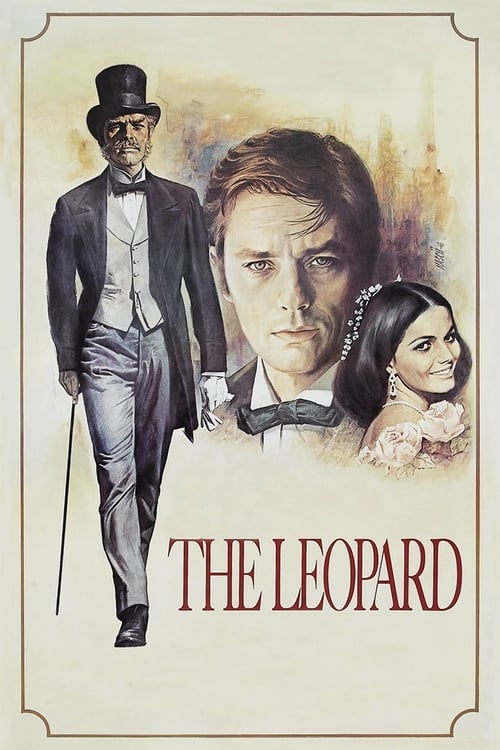
The Leopard
Italian (Il gattopardo)
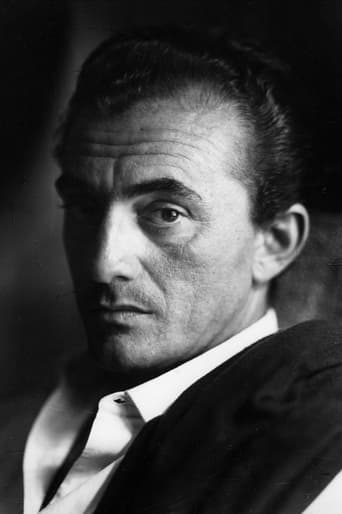
1963 · Directed by Luchino Visconti · 186 min


Drama
Italian (Il gattopardo)
1963 · Directed by Luchino Visconti · 186 min




Meaning, unpacked
Central idea
The film explores how a ruling class survives by adapting, and what that survival costs. It can be read as an elegy in which the prince accepts that change is inevitable, and that his own world will pass with it.
What it means
The Leopard follows a Sicilian prince as a new order arrives and he lets his family adapt to it. The idea everyone remembers is Tancredi's line: things must change so that everything can stay the same. Alliances, marriages and political loyalties shift so that status can survive. Italians even have words for it, gattopardismo and gattopardesco, used for reforms that leave established power exactly where it was.
But the film is not a cynical joke about that idea. It is an elegy. The prince understands that change is coming and that his own world will pass with it, so the politics carry a melancholy of ageing, decay and an ending. Money and shrewdness quietly replace inherited authority, and Sicily is shown as a place where revolutions arrive, are absorbed, and leave the deeper structures standing. Nor does the film simply celebrate the aristocracy. Visconti, a Marxist from an aristocratic family, feels sympathy for the prince and also sees his class's limits and complicity.
Why it mattered
In 1963 the film won the Palme d'Or at Cannes and was a major success in Italy. It joined Visconti's neorealist roots to an operatic, painterly style, and it set a standard for historical filmmaking as lived social detail. Instead of staging battles, it shows political upheaval through a family rosary, a long journey, a dinner and a dance.
It showed that costume, décor and duration can carry meaning. Real palazzi and detailed costumes make the rooms feel dense, and objects speak of status and decay without any explanation. The ball runs for much of the final hour as a climax of mood rather than plot, seen through the prince's eyes. Some critics argued about its politics and its slow pace, and in the United States a cut, English-dubbed release was received more coolly.
Before anyone tells you what to think: what did you make of it?
Log in to rate it and leave commentsIt takes one click with Google or an email link. You come straight back here.
Rate it, keep your notes, and find the next film.
Free, no ads. Your journal, your lists, a Cine Guide that remembers you.
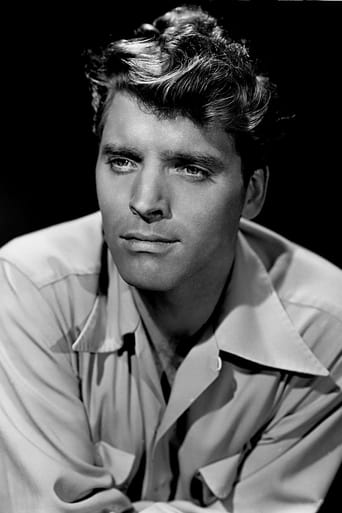
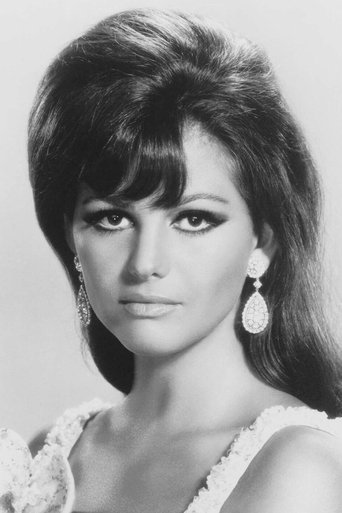
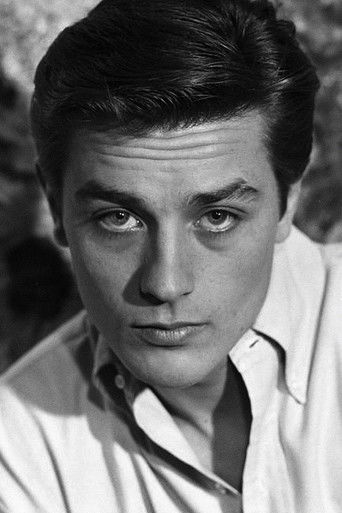
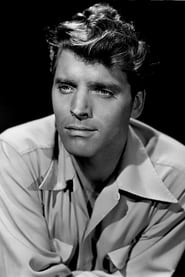
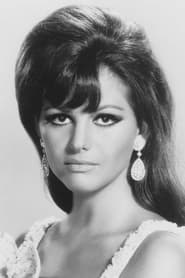
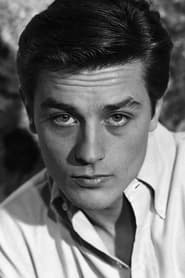
Create your free spaceIts lavish, intimate way of treating history shaped later period dramas about decline and class. The ballroom sequence became a touchstone for filmmakers such as Martin Scorsese, who helped restore the film, and Francis Ford Coppola. The film also shaped the popular picture of Sicilian nobility, and its stars, Burt Lancaster, Alain Delon and Claudia Cardinale, are still strongly linked with these roles. The story remains a reference point in Italian schools and in debates about national unity, and a Netflix series in 2025 invites comparison with Visconti's version.
Its reputation has grown steadily, especially after later restorations brought back the full Italian cut and the colour. Today it is widely seen as Visconti's best-known achievement and a model of period filmmaking. There is a fitting irony here: a film about a world that had to change has itself been restored and retold. It stays the same, and it keeps being remade.
What happens
After the long ball, the prince, having backed Tancredi's marriage into new money and refused a place in the new government, slips away. He walks home through the dawn streets, kneeling as a priest carries the sacrament, then disappears into the dark.
The last image
The prince kneels briefly as a priest passes with the sacrament, then walks off alone into the darkness.
What it says
The prince has helped his family survive by changing, but he knows he cannot belong to the new order. The ending is an elegy: with quiet dignity, he steps away from a world that is passing, and from life itself.
Or follow an idea from this film

Continue the director
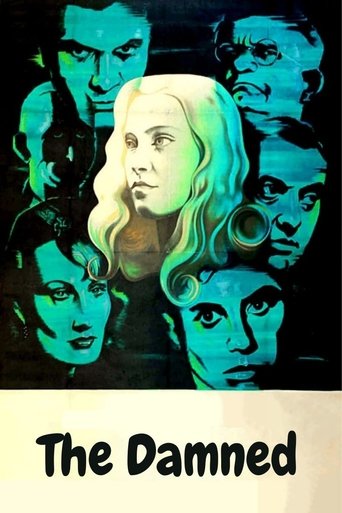
The Damned (1947)
This listing refers to a different film than Visconti's 1969 work; as a next step, Visconti's other great Italian period study, Senso (1954), shows his melodramatic side. Where unavailable, explore his neorealist beginnings.
Follow the idea
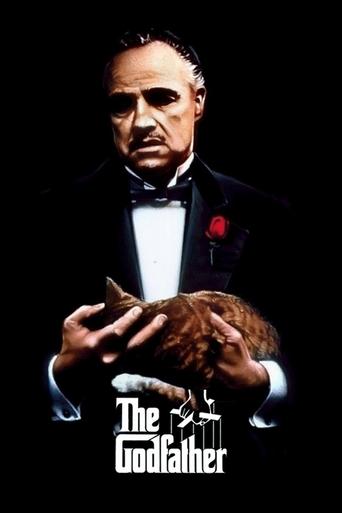
The Godfather (1972)
Another story of a patriarch, a family ritual and a social order in transition, with a similar patience for ceremonies.
Compare another approach
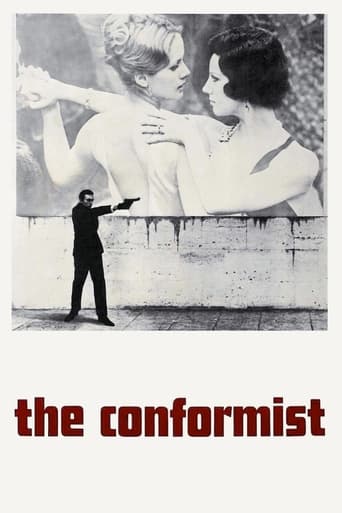
The Conformist (1970)
A very different Italian period piece about politics and class, with equally striking design, but focused on moral compromise under fascism.
Explore the era or movement
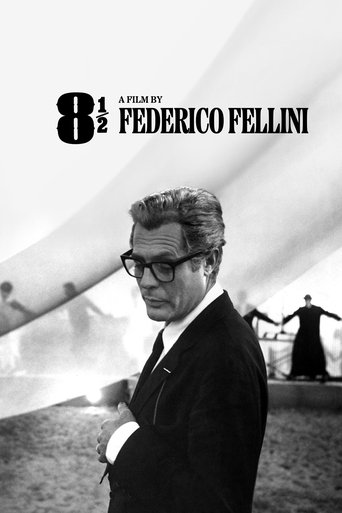
8½ (1963)
Released the same year, Fellini's film shows another side of Italian cinema, personal and surreal rather than historical.

See its influence
Barry Lyndon (1975)
Kubrick's slow, painterly study of social rise and decline continues the tradition of the visually immersive period epic.