Drama · History
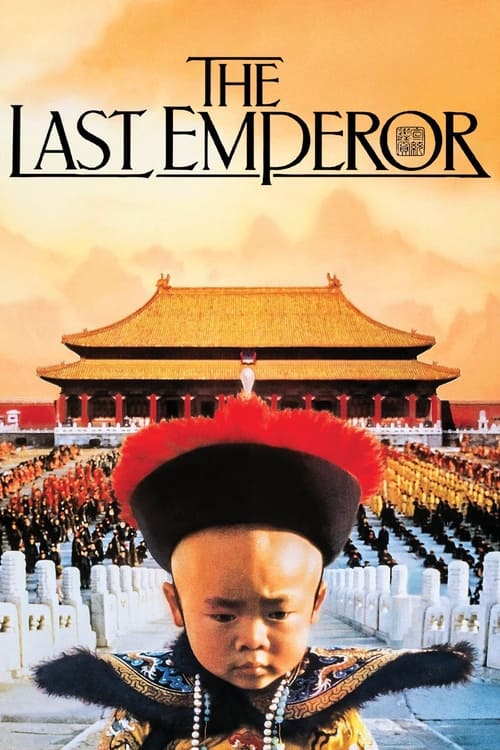
The Last Emperor
Italian
1987 · Directed by Bernardo Bertolucci · 163 min


Drama · History
Italian
1987 · Directed by Bernardo Bertolucci · 163 min


Meaning, unpacked
Central idea
The film can be read as a study of identity imposed from outside: Puyi is made into a symbol, then a puppet and then a patient, and the question is whether there is a self beneath the roles other people assign.
What it means
The Last Emperor keeps asking one question: is there a self underneath the roles other people hand you? Puyi is made into a symbol, then a puppet, then a patient, and the film wonders whether anyone ever asks who he actually is.
The ideas that carry this are confinement, power as performance, and remaking a person. Palaces, courtyards, offices and prisons are all cages, and the walls change as the political order does. Rank is built from ritual, costume and obedience, so when people stop playing their parts, the emperor's authority simply vanishes. The court smothers Puyi with indulgence, the new state tries discipline, and both want him to be something other than himself. History reaches him second hand, and his adult failures can be read as the result of what he was denied as a child.
Why it mattered
In 1987 this was a lavish, multilingual-minded epic about non-Western history, made as an international co-production, and it showed such a film could win both audiences and major Hollywood honours. It opened to strong reviews and big crowds, and was nominated for nine Oscars and won all nine, including Best Picture and Best Director.
It also changed what felt possible on screen. The production won rare permission to shoot inside the real Forbidden City, using its actual courtyards and halls and huge crowds of local extras. That gave the ceremonies a weight sets can't easily match. Vittorio Storaro used colour as language, moving from warm, saturated palace light to cooler, flatter tones as Puyi loses status and freedom.
Before anyone tells you what to think: what did you make of it?
Log in to rate it and leave commentsIt takes one click with Google or an email link. You come straight back here.
Rate it, keep your notes, and find the next film.
Free, no ads. Your journal, your lists, a Cine Guide that remembers you.
Create your free spaceIts influence is real. It encouraged later access to Chinese locations, and Storaro's use of colour as a way of telling the story remains an influential model for epic cinematography. For many viewers outside China, it became the main introduction to Puyi, the Qing collapse and the Forbidden City, and it sent readers to Puyi's autobiography and to Reginald Johnston's memoir. Ryuichi Sakamoto's score also lives on apart from the film.
Today it is seen as one of the last great classical epics, admired for its design and photography. Its reputation is tempered by debate over its simplifications, its use of English and its Western perspective. It condenses timelines, follows an autobiography written under the new government, and has been questioned by some historians over Puyi's complicity with Japan. Teachers often pair it with those very questions.
What happens
Late in life, Puyi returns to the Forbidden City as an ordinary visitor and shows a boy the hidden relic he once kept there. When the boy turns around, it is gone. The old emperor is just a citizen now, in a world that has vanished.
The last image
The boy turns back and the relic Puyi had hidden is no longer there, leaving only the empty palace and the old man who once ruled it.
What it says
The ending closes the film's argument about space, status and memory. A man once locked inside the palace now walks through it freely, and the spectacle becomes a quiet reckoning with who he was without the roles others gave him.
Or follow an idea from this film

Compare another approach
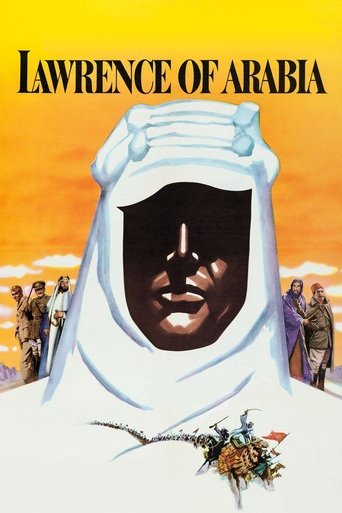
Lawrence of Arabia (1962)
Compare how both epics treat a single, divided figure against the sweep of history, and how scale is used to explore character.
Continue the director
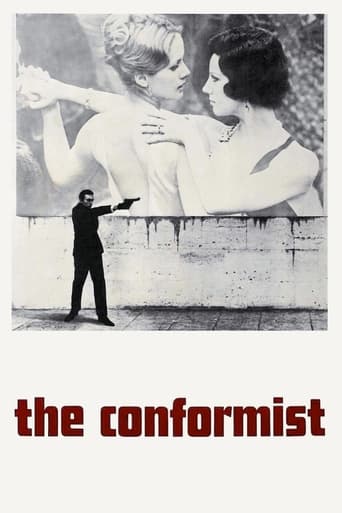
The Conformist (1970)
Bertolucci's earlier masterpiece shows the political and visual obsessions that underlie The Last Emperor, in a tighter, more Italian setting.
Follow the idea
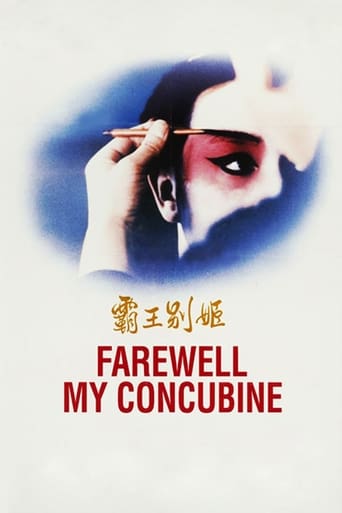
Farewell My Concubine (1993)
It tells a similar story of personal identity overtaken by Chinese political change, but from within Chinese cinema.

Explore the era or movement
Empire of the Sun (1987)
A contemporary epic that views a collapsing world in China through a child's eyes, offering a Western-made counterpart.
Compare another approach
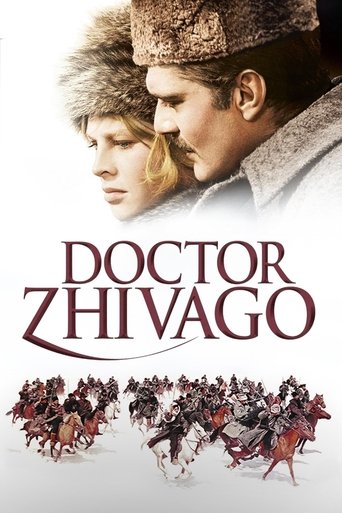
Doctor Zhivago (1965)
Another long historical drama in which revolution reshapes a life, useful for comparing how romance and politics are balanced.