Crime · Drama
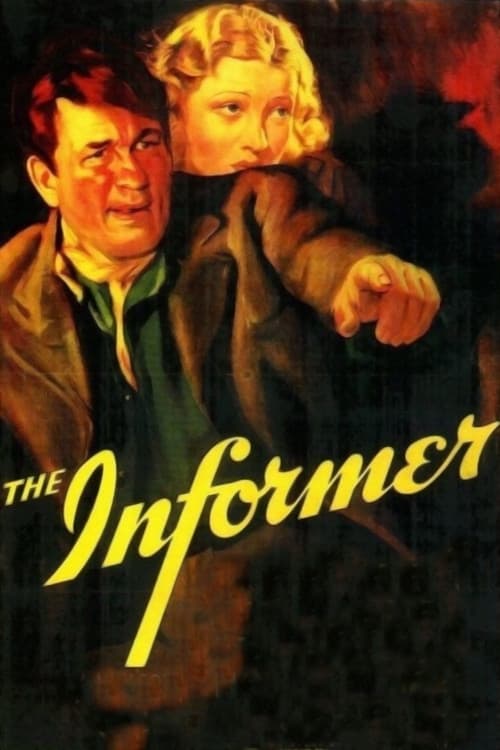
The Informer
American
1935 · Directed by John Ford · 91 min


Crime · Drama
American
1935 · Directed by John Ford · 91 min
Meaning, unpacked
Central idea
The film can be read as a study of guilt and moral weakness: a man of great physical strength who cannot think his way out of one terrible choice. Politics matter less than loyalty, conscience and the cost of a betrayal.
What it means
Gypo Nolan sells out a friend for a reward, spends the money in one drunken night while the revolutionary organisation closes in, and ends in a church asking forgiveness. But the film is not really about what happens. It is about what goes on inside a man. The act itself is quick. Paying for it takes the rest of the film. And notice who pursues him: not the authorities, but his own conscience.
Gypo is enormously strong, yet he cannot think his way out of one terrible choice. Poverty drives him, since he wants money and a ticket out. The film explains his choice without excusing it, so you pity him and judge him at once. The organisation demands loyalty, but its trials and punishments are cold and absolute. Underneath runs Catholic imagery, confession and forgiveness, giving his story the shape of a sin and a possible redemption.
Why it mattered
Ford makes the pursuit feel inescapable. A reward poster seems to follow Gypo along the street, a piece of paper turned into a presence. Joseph August's photography uses fog, deep shadow and single sources of light, echoing German Expressionism, and Gypo is often dwarfed or trapped by the buildings around him. Squeezing most of the action into one night makes events feel inevitable, almost like a tragic play.
It was made on a tight budget. RKO thought the project risky, and Ford reportedly took a very small fee in return for creative freedom. The film was shot entirely in Hollywood studios, so its fog-bound Dublin is a deliberate creation, a closed world closer to a dream than reportage. It showed that symbolic, expressionist studio work could win major awards, encouraging more ambitious prestige films.
Before anyone tells you what to think: what did you make of it?
Log in to rate it and leave commentsIt takes one click with Google or an email link. You come straight back here.
Rate it, keep your notes, and find the next film.
Free, no ads. Your journal, your lists, a Cine Guide that remembers you.
Create your free spaceIt won four Academy Awards: Director, Actor, Screenplay and Score, and was also nominated for Best Picture and Film Editing. It gave Ford his first directing Oscar. Reviewers praised its atmosphere, Victor McLaglen's performance and Max Steiner's score, though some found the symbolism heavy. Its seriousness was unusual for Hollywood.
It helped establish the guilt-ridden outsider later seen in film noir and gangster stories. Gypo became shorthand for the betrayer who cannot outrun himself, and in 1968 Jules Dassin reworked the tale in Uptight. Steiner's score is still cited in film-music teaching as a model of leitmotif scoring. Today its reputation has cooled: many find it theatrical and heavy-handed next to Ford's Westerns. Yet it endures as a reminder that the harshest court is the one we carry with us.
What happens
Shot by the IRA and wounded, Gypo staggers into a church where Frankie's mother is praying. He asks her forgiveness and she gives it. He dies calling out to Frankie. Katie's fear for him is what led the IRA to him.
The last image
Gypo, forgiven but dying, cries out to the dead Frankie inside the church.
What it says
The ending is clear, and it is the film's whole point. Gypo's real pursuer was always his conscience, not the IRA. Forgiveness comes in a sacred place, yet it cannot save him, because some betrayals are paid for with a life.
Or follow an idea from this film

Continue the director
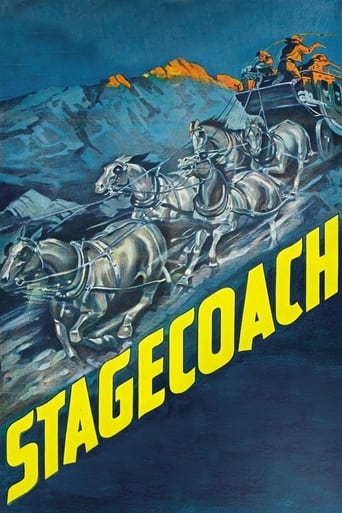
Stagecoach (1939)
Ford's breakthrough Western shows his move from heavy symbolism to a leaner, more open style, with a very different treatment of outsiders.
See what influenced it
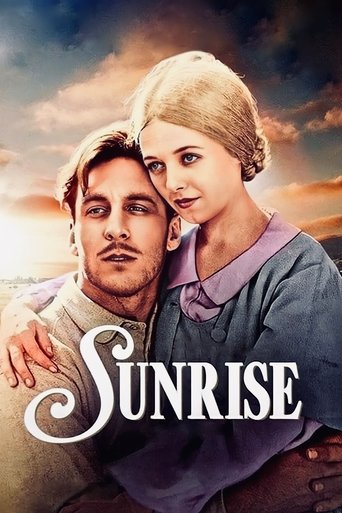
Sunrise (1927)
Murnau's Hollywood silent shows the Expressionist, studio-built style that shaped The Informer's look.

Compare another approach
On the Waterfront (1954)
Compare how a later film treats informing, guilt and loyalty, with a more realistic setting and a very different moral outcome.
Explore the era or movement
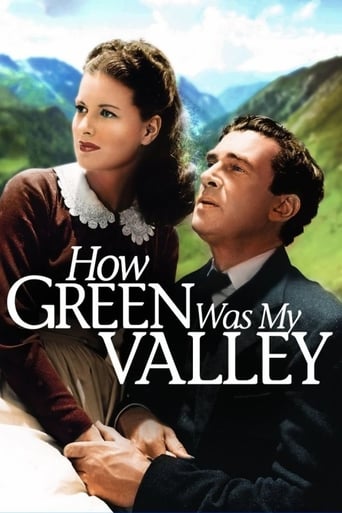
How Green Was My Valley (1941)
Another Ford film with strong working-class community feeling, showing his sentimental, humane side.
Follow the idea
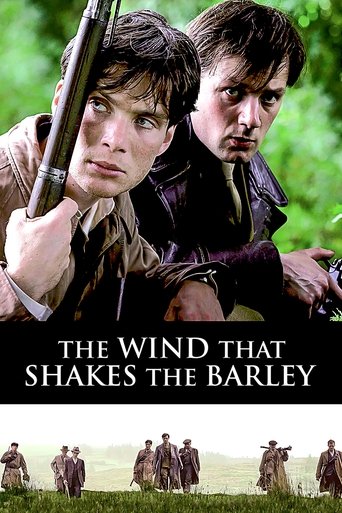
The Wind That Shakes the Barley (2006)
A modern, realistic view of the Irish revolution that tests how loyalty and politics divide people.