Drama
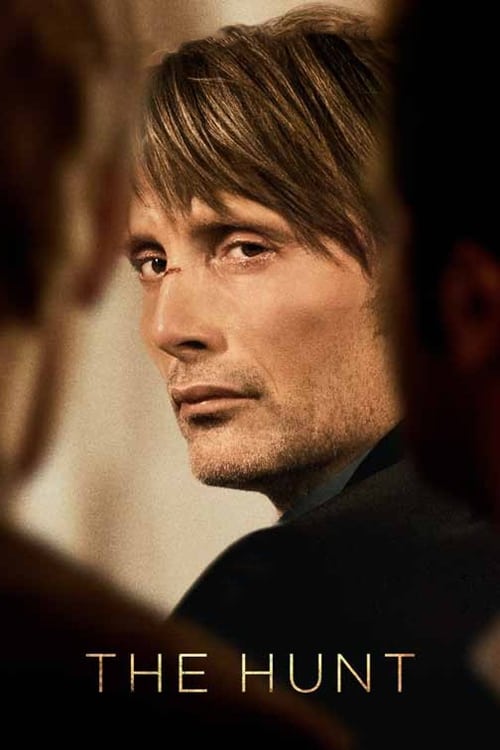
The Hunt
Danish (Jagten)
2012 · Directed by Thomas Vinterberg · 116 min


Drama
Danish (Jagten)
2012 · Directed by Thomas Vinterberg · 116 min








Meaning, unpacked
Central idea
The film explores how fragile social trust is, and how a community's fear for its children can override its own memory of a man's character. It can be read as a study of certainty: how quickly belief hardens and how hard it is to undo.
What it means
At heart, The Hunt is a study of certainty. A little girl, Klara, gives Lucas an affectionate present, and he kindly hands it back. Her confused words are then reshaped by the adults around her into an accusation. The film asks how fragile social trust really is, and how quickly a town's fear for its children can override everything it knows about a man's character.
Nobody here is a cartoon villain, and that is what makes it frightening. In the interview with Klara, led by the headmistress, Grethe, and a psychologist, the tone is calm and caring. Nobody acts in bad faith, yet well-meant procedure shapes her answers and sets belief in stone. Lucas is innocent, and it barely helps. Being right is not the same as being believed. No one has to be monstrous for a community to turn. They only have to be sure.
Why it mattered
Released in 2012, the film showed how much dread a calm, naturalistic drama can produce. There are no chases and no crimes on screen. The tension comes from friendships, shared routines and small-town habits. The hunting, the drinking and the church first show how warm this community is, and later show how a group can shut someone out. The writers, Thomas Vinterberg and Tobias Lindholm, spend real time on that affection so the withdrawal hurts.
It also marked a moment in Danish cinema. Vinterberg co-founded Dogme 95 and made its first film, Festen. The Hunt is not a Dogme film, with its composed score and planned lighting, but it keeps that older focus on raw human behaviour. It showed a post-Dogme generation working in a more polished style without losing a direct, human-scale feel. Mads Mikkelsen's quiet, restrained Lucas also changed how international audiences saw him.
Before anyone tells you what to think: what did you make of it?
Log in to rate it and leave commentsIt takes one click with Google or an email link. You come straight back here.
Rate it, keep your notes, and find the next film.
Free, no ads. Your journal, your lists, a Cine Guide that remembers you.
Create your free spaceThe film premiered in competition at Cannes in 2012, and Mikkelsen won Best Actor. Critics praised its restraint, and it became a major arthouse success and earned an Oscar nomination for Best Foreign Language Film. It cemented the partnership between Vinterberg and Mikkelsen, which continued with Another Round in 2020.
Its life since has been long. It is cited in talk of false accusations and social panic, and compared to the Salem witch trials and to modern online pile-ons. It prompted debate about how institutions handle abuse claims, weighed against the risk of discouraging real disclosures. Psychology, ethics and social-work courses use it as a case study in how rumour hardens into certainty. Today it is seen as one of the strongest Danish films of its decade, though some viewers question whether it sides too firmly with its hero.
What happens
A year on, Lucas is accepted again and his son Marcus joins his first hunt. In the forest a shot narrowly misses Lucas, and the shooter is never seen. His innocence is acknowledged, but the town's suspicion lives on.
The last image
A rifle shot cracks through the forest, just missing Lucas, who looks into the trees at a gunman we never see.
Two readings
What it says
The ending refuses a clean release. Being cleared is not the same as being believed again, and a community's certainty leaves scars even after it fades. The unseen shooter keeps the town's fear alive, and your unease with it.
Or follow an idea from this film


Continue the director
Another Round (2020)
Vinterberg and Mikkelsen reunite in a film that is also about male friendship, a close group and the cost of keeping up appearances.
See what influenced it
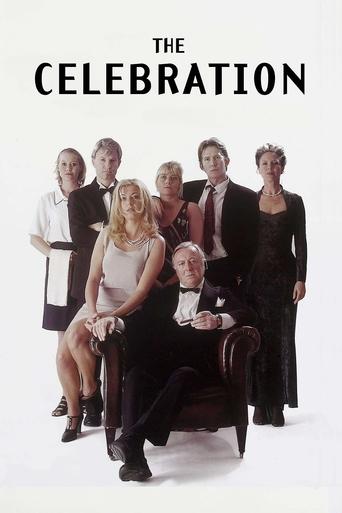
Festen (1998)
Vinterberg's earlier film looks at a community's reaction to a serious claim from the opposite angle, which makes it an ideal companion after The Hunt.
Compare another approach
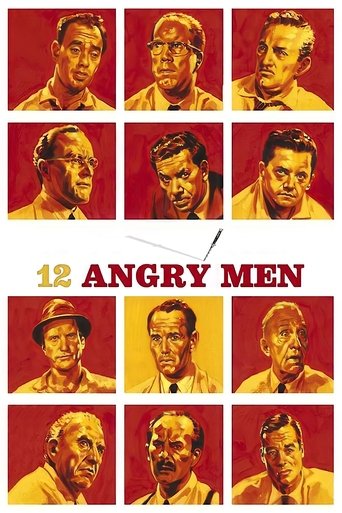
12 Angry Men (1957)
Another study of group judgement and certainty, here focused on one man who resists a room's momentum.
Follow the idea
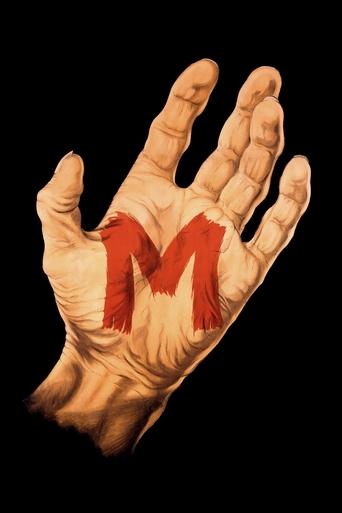
M (1931)
Fritz Lang shows how fear and suspicion spread through a whole society and how quickly a crowd takes action.

Explore the era or movement
In a Better World (2010)
Susanne Bier's Oscar-winning Danish drama of the same period examines moral choices and violence within families and communities.