Comedy · War
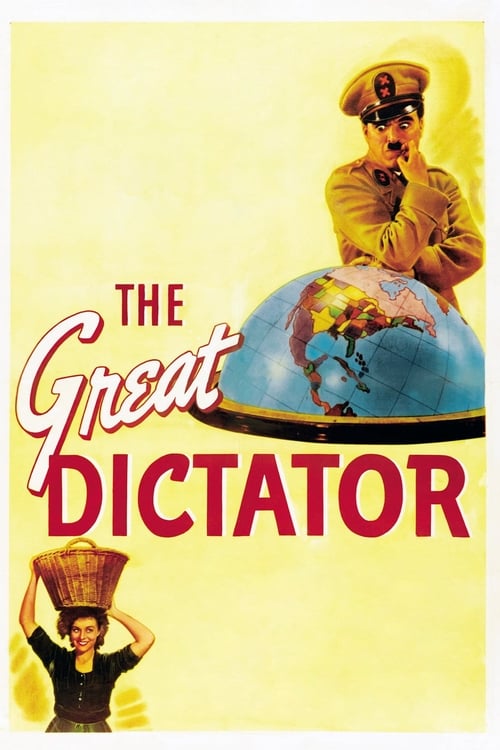
The Great Dictator
American
1940 · Directed by Charlie Chaplin · 125 min


Comedy · War
American
1940 · Directed by Charlie Chaplin · 125 min
Meaning, unpacked
Central idea
The film sets two kinds of power against each other: the performed, bullying power of a dictator and the quiet decency of ordinary people. It can be read as an argument that cruelty depends on spectacle and that humane feeling is the answer to it.
What it means
A dictator and a barber look exactly alike, and by the end their places are swapped, so the barber finds himself in front of the microphone. That's all the plot you need. What matters is what Chaplin does with the idea.
The film sets two kinds of power against each other: the performed, bullying power of a dictator and the quiet decency of ordinary people. Its argument is that cruelty depends on spectacle, and that humane feeling is the answer. Hynkel's rule is tyranny as theatre, all uniforms, rallies and photo opportunities, both ridiculous and dangerous. If a barber can pass for a dictator, how much authority lives in the man, and how much in the costume and the stage? His speeches are coughs, barks and mock-German, noise that rouses a crowd without meaning anything. That's why the ending lands so hard, when Chaplin drops the comedy and speaks straight to the camera, pleading for kindness and against tyranny. The ghetto scenes are more serious than the film's reputation as a farce suggests: comedy sits beside real menace.
Why it mattered
Chaplin had resisted dialogue through the 1930s, fearing speech would damage the Tramp's universality. This film let him change the terms, because speech itself became the target. It was his first film with real dialogue and long speeches. It was also a real risk. He put in his own money and released it through United Artists, at a time when many in Hollywood and Britain feared offending Germany. He began work in 1939, after the war had started.
It showed that mainstream comedy could confront a living tyrant. The silent clown's tools, precise timing, choreographed props and physical invention, were turned against the rhetoric of fascism. Sound became a satirical instrument too, with gibberish speech and microphones that seem to bend away from Hynkel. The sets make power look overscaled and empty, with huge desks and cavernous rooms, while the ghetto is built at human scale.
Before anyone tells you what to think: what did you make of it?
Log in to rate it and leave commentsIt takes one click with Google or an email link. You come straight back here.
Rate it, keep your notes, and find the next film.
Free, no ads. Your journal, your lists, a Cine Guide that remembers you.
Create your free spaceThe film was a hit, Chaplin's biggest at the box office, and won five Oscar nominations, including Best Picture and Best Actor. Some reviewers thought mocking Hitler too risky, or too light a response to events. Its reputation grew as the full scale of Nazi crimes came to light, which made both its courage and its limits clearer. Chaplin later said that had he known, he could not have made it as a comedy.
Its influence runs through Lubitsch's To Be or Not to Be, Dr. Strangelove and Life Is Beautiful. Hynkel helped fix a lasting image of the dictator as vain and absurd, not only menacing. Today the globe ballet and the barbershop shave are seen as peak Chaplin. The final speech is still shared online in moments of political tension, often cut loose from the film, and people still argue over whether it moves or interrupts the satire. Chaplin's outspoken politics later fed suspicion of him in the United States, and his exile in 1952.
What happens
The barber, mistaken for Hynkel, is pushed before a vast crowd expecting a victory speech. Instead he rejects conquest and pleads for decency and a shared world. The dictator's own stage becomes the place where tyranny is refused.
The last image
Hannah, hearing the speech on the radio, lifts her face towards the light and the possibility of hope.
What it says
Cruelty depends on spectacle, and the stage that serves a tyrant can serve plain humanity just as well. Chaplin drops the comedy and speaks straight to us, because at this point a joke would not be enough.
Or follow an idea from this film

Continue the director
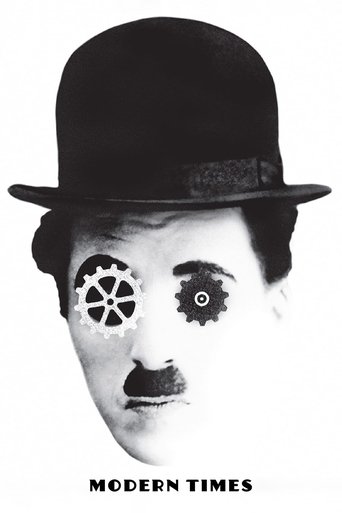
Modern Times (1936)
Chaplin's other late-career social satire, made as sound arrived, shows how he kept the Tramp's silence and began to address machines and power.
Follow the idea
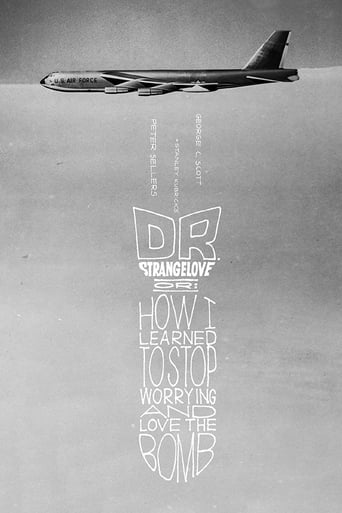
Dr. Strangelove (1964)
Kubrick's farce of nuclear leadership takes this film's idea, that absurdity can reveal the real danger of men in power, into the Cold War.
Compare another approach
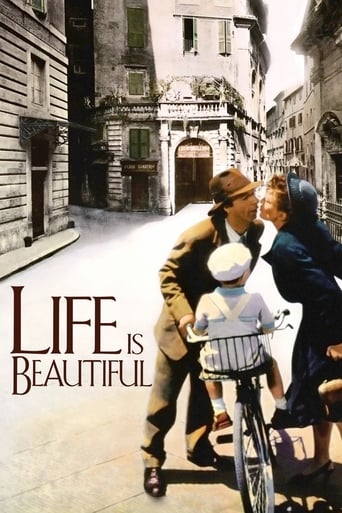
Life Is Beautiful (1997)
Also a comedy about Jewish persecution, but with hindsight about the camps. Comparing the two shows how the limits of the comic approach shifted.
See what influenced it
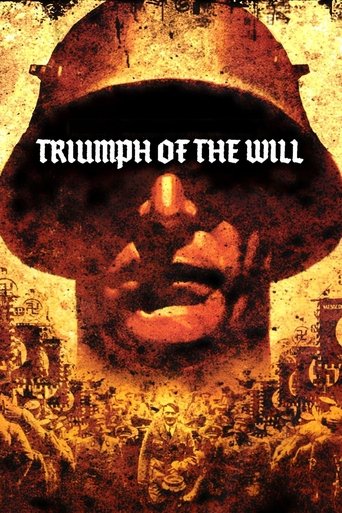
Triumph of the Will (1935)
The documentary rally spectacle that Chaplin's film parodies. Seeing the original shows what the satire is answering.
Explore the era or movement
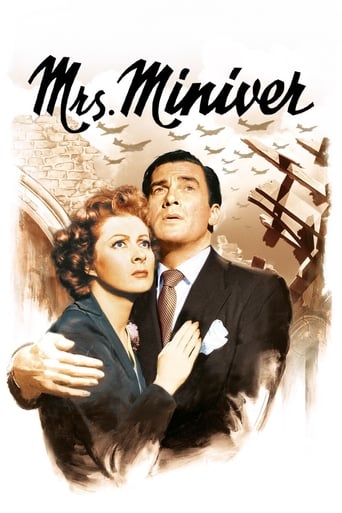
Mrs. Miniver (1942)
A Hollywood wartime drama from just after this film, showing a different way popular cinema rallied opinion against the Nazis.