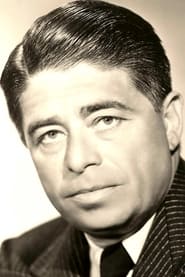
Drama
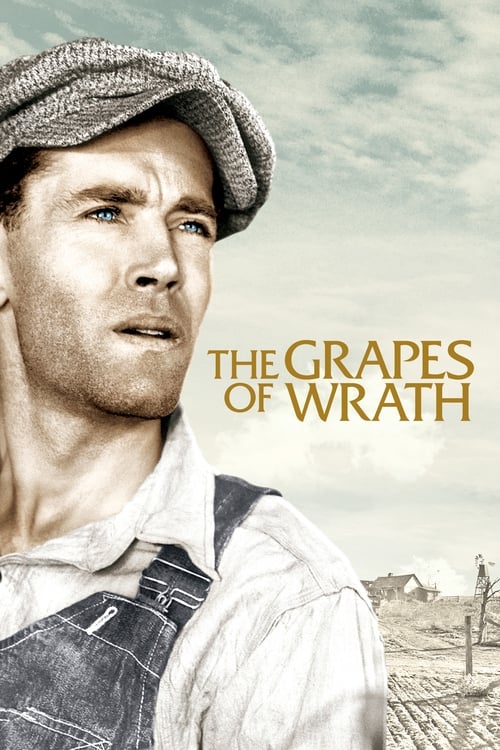
The Grapes of Wrath
American
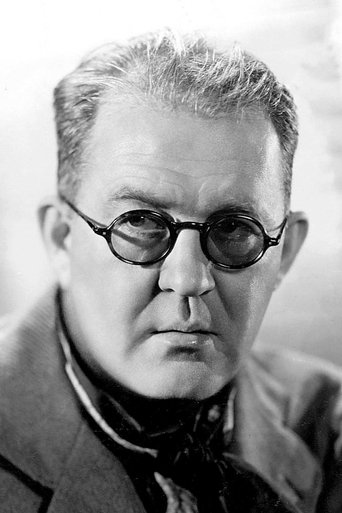
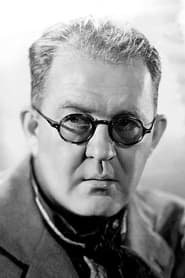
1940 · Directed by John Ford · 129 min


Drama
American
1940 · Directed by John Ford · 129 min
Meaning, unpacked
Central idea
The film can be read as a study of how a people survives when the system that should protect it fails. It moves from the loss of a home to the discovery that dignity depends on solidarity, not property.
What it means
The Joads lose their Oklahoma farm and head west to California, where work is scarce and hostility is everywhere. But the film is really about something larger: how a people survives when the system meant to protect it fails. It begins with the loss of a home and ends with the discovery that dignity rests on solidarity, not property.
Once the house is gone, home becomes a set of objects, memories and people. Ma burns her letters and trinkets before she leaves, a small action that shows a grief she cannot pack. Casy's ideas about shared humanity become Tom's inheritance, until Tom promises to be wherever people fight for the hungry and wronged. The film also shows how scarcity is made: more workers are advertised for than there are jobs, and the law guards property. Against that stands the government camp, run by its own residents, a working alternative. Its lasting question is this: when everything you own can be taken, what is left? Ford's answer is each other.
Why it mattered
In 1940, a major studio adapted Steinbeck's controversial bestseller within a year of its publication. It was the most celebrated Hollywood attempt to look directly at Depression poverty. It showed that a studio film could carry political anger and sympathy for the poor without giving up classical craft or mass appeal.
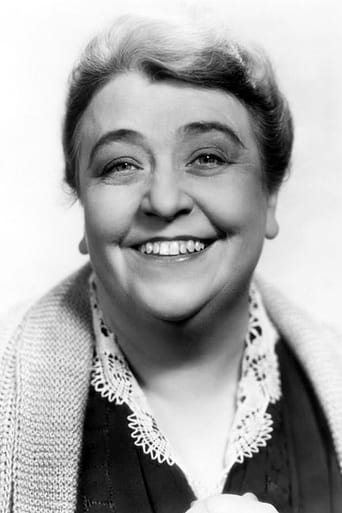
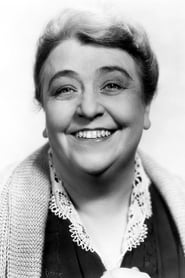
Ford trusts long-held shots, group staging, silence and landscape, so the feeling never tips into speech-making. Gregg Toland's low-key lighting gives poverty a grave, painterly beauty, with faces half in shadow. Think of Tom and Muley in the empty house, lit by one lantern. Reviews were strong and audiences large, though agricultural interests and conservative critics called it propaganda, and some on the left felt it softened the book. Ford won Best Director and Jane Darwell won Best Supporting Actress, but Best Picture went to Rebecca.
Before anyone tells you what to think: what did you make of it?
Log in to rate it and leave commentsIt takes one click with Google or an email link. You come straight back here.
Rate it, keep your notes, and find the next film.
Free, no ads. Your journal, your lists, a Cine Guide that remembers you.
Create your free spaceTogether with the novel, the film fixed the popular picture of Depression migrants: overloaded jalopies, roadside camps, Route 66. Ma's belief that the people will go on became shorthand for working-class resilience, and Tom's farewell is still quoted in labor and social-justice settings. Tom Joad lived on in American song and protest culture, and the image of the dispossessed on the road shaped later social cinema, including Italian neorealism's attention to ordinary lives. It is still taught alongside the novel in courses on the Depression.
Today it is regarded as one of Ford's greatest films and a central Hollywood portrait of the Depression. Its visual style is widely admired, while its sentiment and softened politics are noted. The ending is still debated: Steinbeck closes on a starker, more shocking image, and the film chooses a hopeful note shaped by studio sensibilities and the censorship climate.
What happens
Tom, wanted for killing the man who killed Casy, leaves the safe government camp so he won't endanger the family. He promises Ma he'll fight for the hungry and wronged. The Joads drive on, and Ma says the people will keep going.
The last image
The Joads' battered truck rolls on down the open road as Ma's words about the people surviving fade out.
Two readings
What it says
The ending turns private loss into collective purpose: when everything you own can be taken, what remains is each other. Tom's choice to fight beyond his own family answers the film's central question, and Ma's resolve lets it end on hope.
Or follow an idea from this film
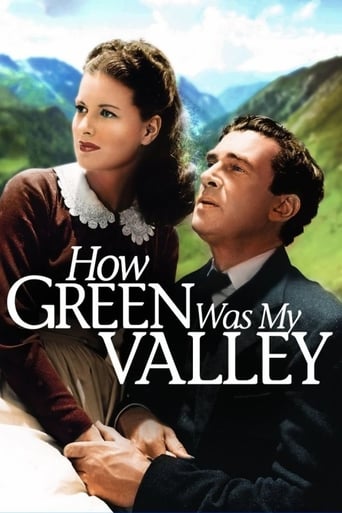

Continue the director
How Green Was My Valley (1941)
Ford's next great family drama, again about hardship, a stoic mother and a community under strain, and again an Oscar winner.
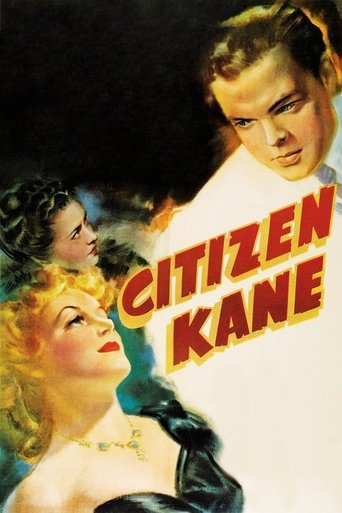
Compare another approach
Citizen Kane (1941)
Gregg Toland's photography here is moody and painterly. A year later he shoots Kane in deep focus, so the two films show different sides of his craft.
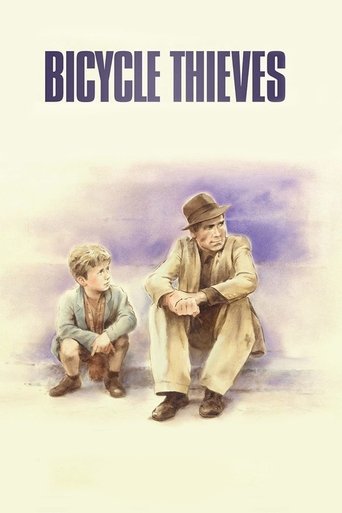
See its influence
Bicycle Thieves (1948)
De Sica's neorealist classic follows a poor family in search of work and survival, with a similar moral weight and without Hollywood gloss.

Explore the era or movement
Modern Times (1936)
Chaplin's comic take on Depression-era unemployment and machines shows another way popular film dealt with the same economic crisis.
Jump forward
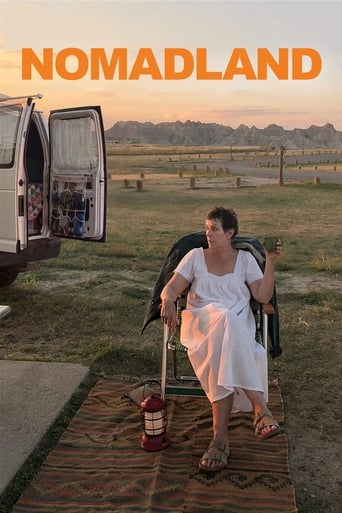
Nomadland (2020)
Decades later, another American story of lost homes, itinerant work and community on the road, told with documentary realism.