Drama
The Brutalist
American
2024 · Directed by Brady Corbet · 215 min


Drama
American
2024 · Directed by Brady Corbet · 215 min









Meaning, unpacked
Central idea
The film can be read as an inquiry into the American promise as it appears to an immigrant artist: opportunity arrives, but on terms set by money. Its architecture is built from memory and trauma as much as from concrete.
What it means
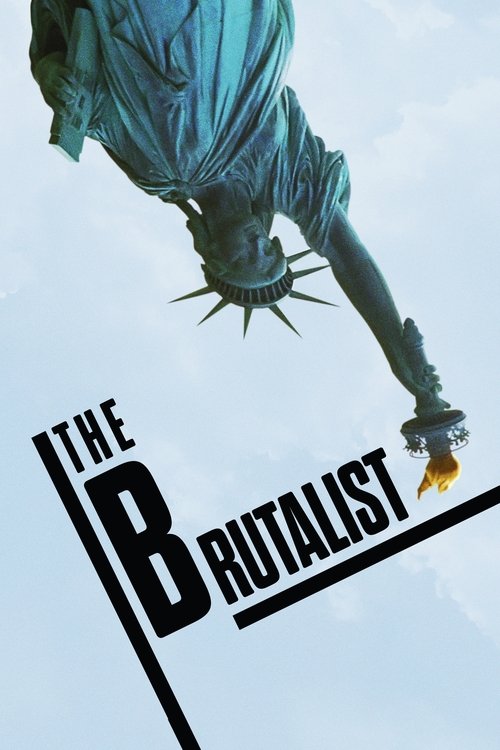
The Brutalist follows László Tóth, a Holocaust survivor and architect who reaches America and finds a rich patron in Harrison Van Buren. At its heart, it asks what the American promise looks like to an immigrant artist. Opportunity arrives, but on terms set by money. The overture says it at once: chaos, then the Statue of Liberty filmed from an unsettling angle. This is freedom as it looks to someone who has not yet been received.
That idea runs through patronage and power. Van Buren gives László the means to build, and expects to own the result. The film keeps asking whether support can ever be free of control. László is welcomed for his usefulness, not fully accepted for who he is, so the American dream becomes a conditional offer. The Carrara marble quarry is the most disturbing turn, a trip about beauty that becomes humiliation and ownership. The epilogue, set in 1980, links his buildings to the camps. His designs carry the memory of what he survived, so his architecture is built from trauma as much as from concrete.
Why it mattered
The Brutalist arrived as a deliberate return to the ambitious American epics of the 1960s and 70s, made outside the studio system. Brady Corbet revived the old-fashioned intermission epic of Lawrence of Arabia and Doctor Zhivago on a modest budget, and the film runs 215 minutes. Cinematographer Lol Crawley shot in VistaVision, a format from the 1950s, to give a small film the scale of a classic. Prints were also made for 70mm projection.
Before anyone tells you what to think: what did you make of it?
Log in to rate it and leave commentsIt takes one click with Google or an email link. You come straight back here.
Rate it, keep your notes, and find the next film.
Free, no ads. Your journal, your lists, a Cine Guide that remembers you.
Create your free spaceThe form itself was part of the argument. An overture, two titled parts, an intermission and an epilogue give the film the shape of a novel. The fifteen-minute intermission is built in as a countdown, a way of presenting a very long film as an event. It marked the film as a defining work of the 2020s revival of large-format, long-form cinema.
It premiered at the 2024 Venice Film Festival, where it was widely praised for its ambition, performances and craft, and Corbet won the Silver Lion for direction. At the Academy Awards it earned ten nominations and three wins: Best Actor for Adrien Brody, Best Cinematography and Best Original Score. Some critics found the last act ambiguous or overreaching, and the use of an AI tool to refine the actors' Hungarian pronunciation set off a separate debate about acceptable technology.
Its influence is practical as much as artistic. It supports the argument that large-format film, intermissions and long running times can still draw audiences. It also put Brutalism, a divisive style of raw concrete and postwar public building, in front of a wide audience, as debates continue over preserving or demolishing such buildings. Today it is seen as a landmark of recent ambitious independent filmmaking, and its ending remains actively debated.
What happens
In 1980 at the Venice Biennale, an older László is honoured while his niece Zsófia speaks for him. She explains that the building's forms came from his memories of the camps, revealing what the work was always about.
The last image
The film closes at the 1980 Biennale, with Zsófia speaking on László's behalf as his work is honoured.
Two readings
What it says
The ending argues that art carries history, so László's concrete holds the camps as much as any aesthetic idea. It also sits against America's conditional welcome: the building outlasts the patron and the cost, and others finally name its meaning.
Or follow an idea from this film

Compare another approach
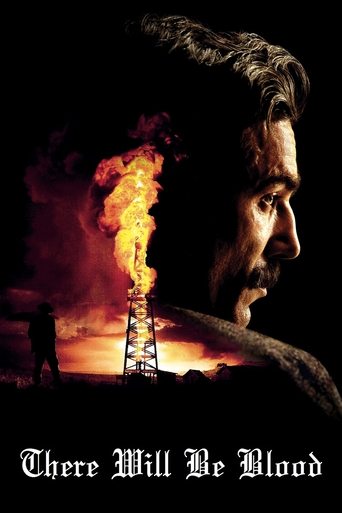
There Will Be Blood (2007)
Another sprawling American story of ambition and exploitation, with a similarly dominant lead performance and a score that works against the images.
Follow the idea
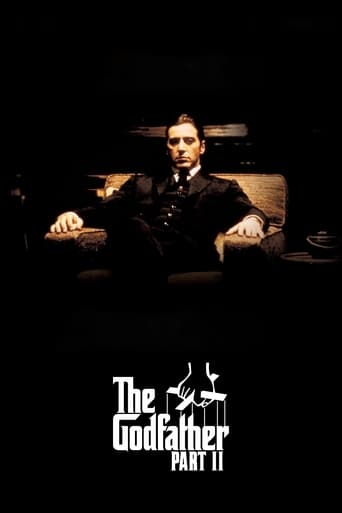
The Godfather Part II (1974)
A major film about an immigrant's arrival, the American dream and the price of power, told across decades.
See what influenced it
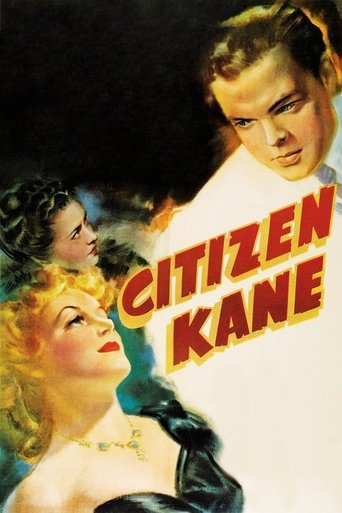
Citizen Kane (1941)
The great film about a powerful patron and builder of monuments. Compare how the two films treat wealth and its effects.
Explore the era or movement
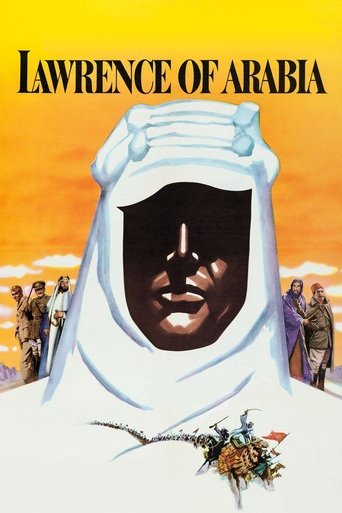
Lawrence of Arabia (1962)
A classic of the intermission epic that The Brutalist deliberately revives, built around a single obsessive man.

Continue the director
Vox Lux (2018)
Corbet's previous film, also in chapters and also about fame and trauma, with a score by Scott Walker.