Drama · Comedy · Romance
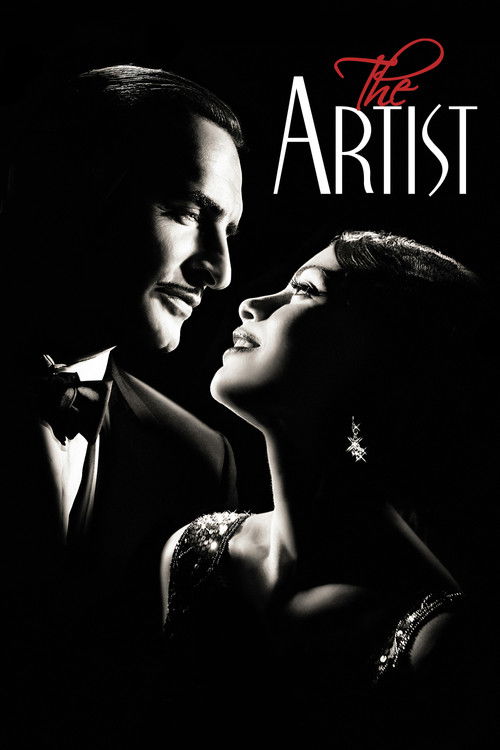
The Artist
French
2011 · Directed by Michel Hazanavicius · 100 min


Drama · Comedy · Romance
French
2011 · Directed by Michel Hazanavicius · 100 min









Meaning, unpacked
Central idea
The film is about a change of medium and what it does to the people inside it. It can be read as a love letter to silent cinema and also a study of pride, the fear of becoming obsolete, and the grace needed to adapt.
What it means
A silent star watches cinema learn to talk, and refuses to follow. George Valentin declines as Peppy Miller rises, and she quietly helps him back. At heart, The Artist is about what a change of medium does to the people inside it: pride, the fear of becoming obsolete, and the grace it takes to adapt. George's belief in his own art is dignified, and it is also what destroys him. The film holds both truths at once.
Sound is neither villain nor saviour here. The film honours the new technology and mourns the craft and careers it displaced. Stardom is shown as a public face that can be lost, and George has to work out who he is when the applause stops. Peppy's rise never turns into rivalry, so this is also a romance about gratitude as much as desire. Think of the coat in the dressing room: she slips her arm into George's empty sleeve and embraces herself. Desire, shyness and tenderness arrive in one image, with no words.
Why it mattered
In 2011, a silent-style film in black and white was a real gamble, and it paid off. The Artist was shot in colour and finished in black and white, in the old square 1.33:1 frame, with lighting and sets that recall 1920s Hollywood. The look is an argument as well as an homage. Words appear sparingly, saved for jokes, plot information or pointed moments, so the images, the performances and Ludovic Bource's near-constant score carry the story.
It also breaks its own rules on purpose. In the dream sequence, everyday objects make noise while George cannot be heard. Sound becomes the film's central idea, made audible. That is not a trick. It is the argument. It showed that a bold formal experiment could reach a mainstream audience, and that silent grammar could still tell a story that moves people.
Before anyone tells you what to think: what did you make of it?
Log in to rate it and leave commentsIt takes one click with Google or an email link. You come straight back here.
Rate it, keep your notes, and find the next film.
Free, no ads. Your journal, your lists, a Cine Guide that remembers you.
Create your free spaceThe Artist premiered in competition at Cannes in May 2011, where Jean Dujardin won Best Actor. It took the Golden Globe for Best Motion Picture, Musical or Comedy, and won five of its ten Oscar nominations, including Best Picture, Best Director and Best Actor. It was the first largely silent winner since Wings at the very first ceremony, and the first French one.
Its influence is real. It helped open the way for near-silent features such as Blancanieves and Tabu, and for later Hollywood stories about the arrival of sound, notably Damien Chazelle's Babylon. Today it is remembered as a delightful, skilful tribute, gentler and lighter than the classics it echoes. Some critics found it more affectionate than deep. But as a friendly doorway into silent cinema, it may be the best there is, and the ending joins its two leads as equals, with a spoken last line that settles the question of sound with warmth.
What happens
Peppy stops George from taking his own life and gets him cast opposite her in a musical. After a tap routine, the director calls cut and George speaks for the first time. He has found a way to work again.
The last line
"With pleasure."
What it says
George survives by changing, not by giving up what he loves. The dance joins the two stars as equals, and his voice, heard at last, shows that sound need not erase the old craft. The ending is warm because it forgives pride and rewards adapting.
Or follow an idea from this film

Follow the idea
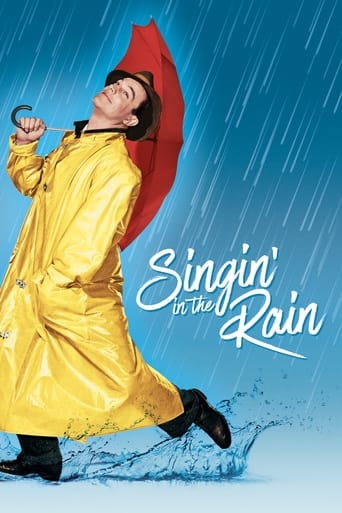
Singin' in the Rain (1952)
The classic comic musical about the same technological shift. Compare its sound-era satire with The Artist's more tender, melancholic version.
Compare another approach
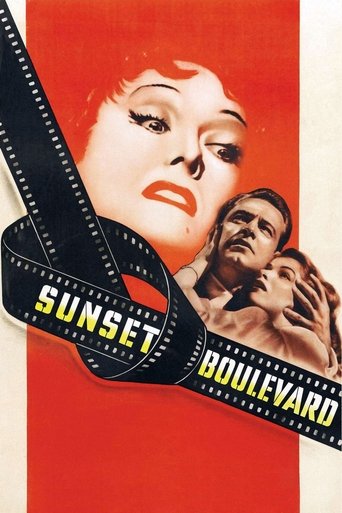
Sunset Boulevard (1950)
Another story of a silent-era star left behind by changing Hollywood, but with a much darker, more bitter tone.
See what influenced it
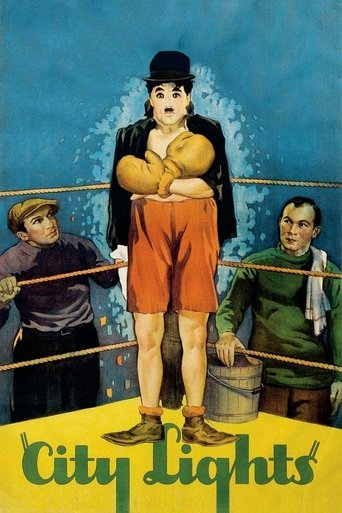
City Lights (1931)
Chaplin made this largely silent picture after sound had arrived, combining slapstick with real emotion in the manner The Artist admires.
Explore the era or movement
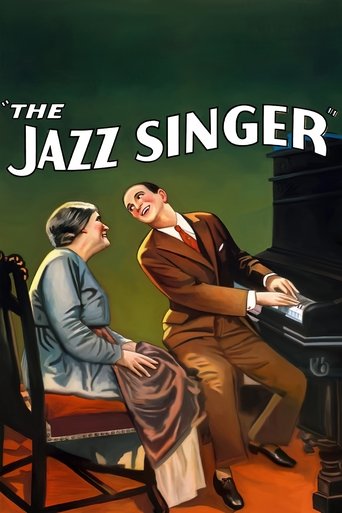
The Jazz Singer (1927)
The film most often credited with launching the sound era. It shows the technology that The Artist's characters are reacting to.
Jump forward
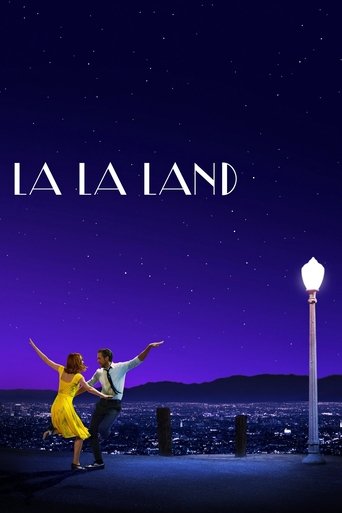
La La Land (2016)
Another modern film that revives classic Hollywood form and nostalgia, in a musical and a romance about ambition and love.