Adventure · Action · Science Fiction
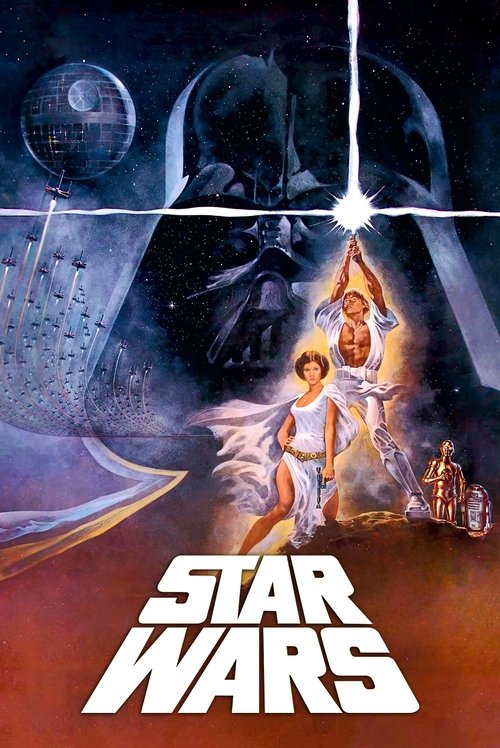
Star Wars
American
1977 · Directed by George Lucas · 121 min


Adventure · Action · Science Fiction
American
1977 · Directed by George Lucas · 121 min





Meaning, unpacked
Central idea
The film can be read as a story about growing into a destiny: an ordinary young man leaves home, finds a mentor and learns to trust something larger than technology. Its simplicity is the point, myth retold in a new setting.
What it means
A farm boy on a desert world is pulled into a rebellion, learns about the Force from an old mentor, and destroys the Empire's Death Star. That is the whole plot, and its simplicity is the point. Star Wars is myth retold in a new setting: an ordinary young man leaves home, finds a mentor, and learns to trust something larger than technology. Lucas openly drew on mythic structure. Luke has a humble start, a call he first refuses, a loss and a test.
The idea pays off in the trench. The Empire trusts machines and force, while the Force asks for belief and intuition, so when Luke puts his instruments aside, the whole theme lands in one gesture. Around it sit a small band of misfits resisting a vast empire, which echoes the post-Vietnam, post-Watergate mood though it is told as a fairy tale, and Han Solo, a mercenary who moves from self-interest to loyalty.
Why it mattered
Lucas wanted a world that looked used and weathered, with dirt, wear and clutter. That made the unreal feel real, and it became a model for later science fiction. The effects were models, miniatures, matte paintings and optical compositing, not computer graphics. John Dykstra's team built a computer-controlled camera that repeated precise moves, which allowed layered model shots with convincing motion.
No existing effects house could deliver what Lucas wanted, so he set up Industrial Light & Magic in a warehouse in Van Nuys, California. Ben Burtt built a new vocabulary of sound, including the lightsaber hum from a projector motor and the interference of a television set. John Williams revived the lush symphonic style of Korngold and Steiner at a time when scoring was sparse and modern. Add the serial-style wipes and fast parallel cutting, and Lucas had taken the oldest kind of story and made it feel brand new.
Before anyone tells you what to think: what did you make of it?
Log in to rate it and leave commentsIt takes one click with Google or an email link. You come straight back here.
Rate it, keep your notes, and find the next film.
Free, no ads. Your journal, your lists, a Cine Guide that remembers you.
Create your free spaceAudiences responded with extraordinary enthusiasm, many returning to see it again, and it became the top-grossing film to that point. Some critics found the story simple, but many praised its energy, imagination and craft. It earned ten Oscar nominations, including Best Picture, and won six competitive awards plus a special award for sound effects creation. Lucas had kept merchandising and sequel rights, which proved extraordinarily consequential.
Its reach is hard to overstate. "May the Force be with you" entered everyday speech, and Vader's breathing and the stormtroopers became shorthand. People in several countries listed Jedi as their religion on census forms, and Mel Brooks spoofed it in Spaceballs. It launched a franchise and a model of effects-led event cinema, and made effects houses and sound design central to filmmaking. Today it is seen as one of the most culturally significant American films, admired for craft and myth, and sometimes blamed for pushing Hollywood toward franchises and spectacle. Later revisions have also made the original cut a matter of debate.
What happens
Luke trusts the Force, switches off his targeting computer and destroys the Death Star while Han returns to save him. Leia honours the heroes at a ceremony, though Vader has escaped, so the Empire is wounded, not finished.
The last image
Luke, Han and Chewbacca walk down the throne-room aisle to be honoured, with Leia waiting at the end and the rebels cheering.
What it says
Luke wins by putting his instruments aside and believing in something larger than machines. Han's return shows the loner choosing loyalty. Vader's survival keeps the story open, and the medal ceremony closes the fairy tale on a hopeful note.
Or follow an idea from this film

Continue the director
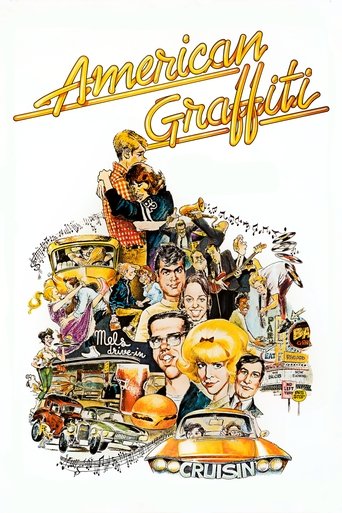
American Graffiti (1973)
Lucas's earlier hit is a warm, nostalgic ensemble comedy set in one night, showing a very different side of the filmmaker and his use of popular music.
See its influence
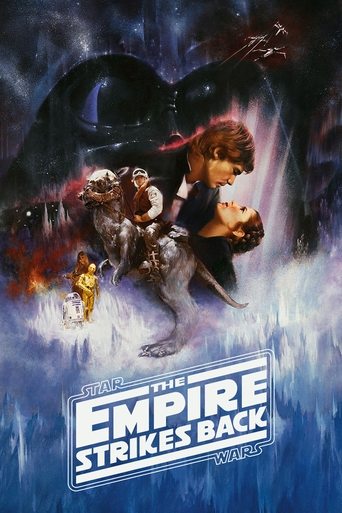
The Empire Strikes Back (1980)
The direct sequel shows how the story's world and characters deepen once the basic myth is established.
Compare another approach
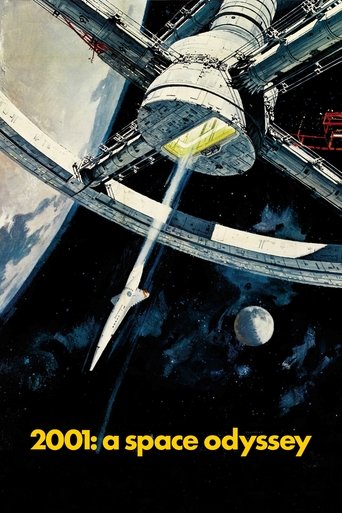
2001: A Space Odyssey (1968)
Another landmark of space cinema and effects, but cool, philosophical and slow. Seeing both shows how differently science fiction can use the same tools.
See its influence
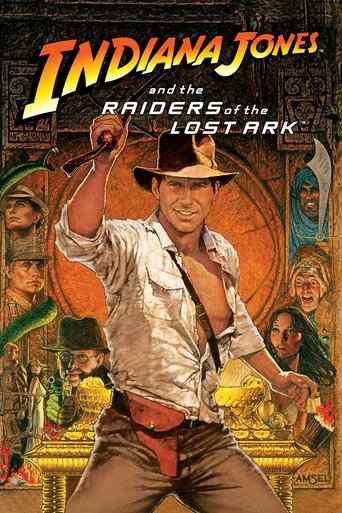
Raiders of the Lost Ark (1981)
Shows how Lucas and Spielberg carried the serial-adventure spirit into a different setting, with the same energy and craft.
Explore the era or movement
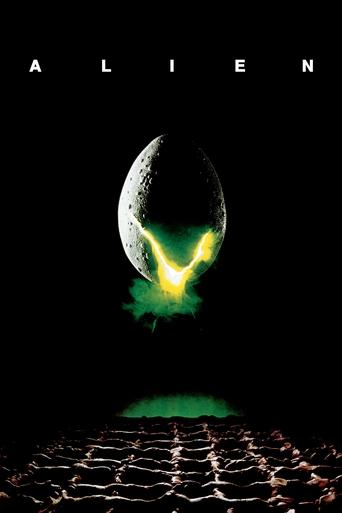
Alien (1979)
A science fiction film from the same wave that takes the lived-in future in a darker direction, built on atmosphere and dread instead of heroism.