Drama · Science Fiction · Mystery
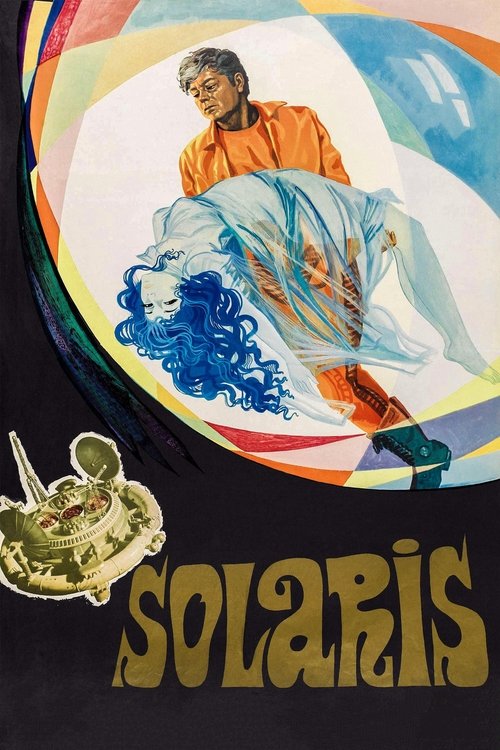
Solaris
Soviet (Солярис)
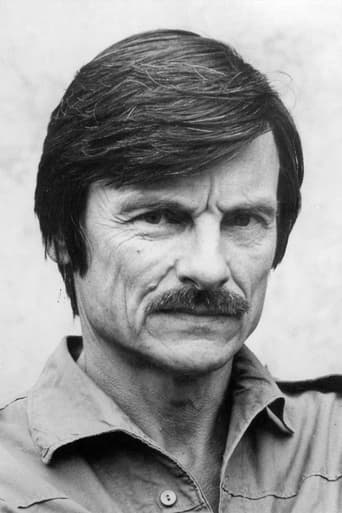
1972 · Directed by Andrei Tarkovsky · 167 min


Drama · Science Fiction · Mystery
Soviet (Солярис)
1972 · Directed by Andrei Tarkovsky · 167 min












Meaning, unpacked
Central idea
The film can be read as an inquiry into what humans really seek in the cosmos. Rather than meeting the unknown, they keep encountering themselves: their guilt, memory and need for love. Solaris becomes a mirror for conscience.
What it means
Kelvin travels to a station above the planet Solaris, and his past follows him there. The planet, instead of answering the scientists, seems to answer him. That is the heart of it: we set out to meet the unknown, and what we keep finding is ourselves, our guilt, our memory, our need for love. The planet becomes a mirror for conscience.
Guilt drives the film. Kelvin cannot leave his unresolved past on Earth, because it travels with him. The scientists collect data and build theories, but the planet resists them, and the film doubts that human reason can ever fully grasp something truly other. It also asks a harder question: when we love someone, do we love the person, or our memory and image of them? Earth stays the moral reference point, through water, plants, wind and the family house.
Why it mattered
In 1972 Solaris won the Grand Prix Spécial du Jury at Cannes and was nominated for the Palme d'Or. It is often called the Soviet reply to 2001, but Tarkovsky disliked that film's coldness and was chasing his own concerns. Where 2001 is glossy, his station is worn, cluttered and lived in.
It showed that science fiction could do without spectacle. Vadim Yusov's slow tracking shots let you feel time pass. Shifts between colour and black and white arrive unexplained, like a dream. Sound often does the explaining: Eduard Artemyev's electronic textures, Bach, natural noise. At home, though, it met official caution and limited distribution, and its slowness and spiritual tone divided audiences.
Before anyone tells you what to think: what did you make of it?
Log in to rate it and leave commentsIt takes one click with Google or an email link. You come straight back here.
Rate it, keep your notes, and find the next film.
Free, no ads. Your journal, your lists, a Cine Guide that remembers you.
Create your free spaceThe film helped establish a tradition of reflective, character-led science fiction. You can follow it through Tarkovsky's own Stalker and on to Eternal Sunshine of the Spotless Mind, Under the Skin and Ex Machina. Steven Soderbergh made a remake in 2002. It is a fixture of Tarkovsky retrospectives and film-school courses, and it helped make him a cult figure among cinephiles worldwide.
Its reputation has only grown. Once called slow or austere, it is now seen as a central work of science-fiction cinema, valued for its emotional depth. If you want to go further, watch Stalker next, then read Stanisław Lem's novel and notice what each man cared about. Perhaps that is the film's last gift: we go looking for something far away, and it hands us back our own face, and the home we left behind.
What happens
Kelvin seems to be home, kneeling before his father at the family house. Then the camera pulls back and shows the house sits on an island in Solaris's ocean. The planet has recreated home for him.
The last image
The camera rises from Kelvin and his father to reveal the house adrift on an island in the ocean of Solaris.
Three readings
What it says
The film suggests we go to the stars and meet only ourselves. The father's house, the kneeling gesture and the vast ocean hold longing for home and the unknowable side by side, and refuse to settle which one wins.
Or follow an idea from this film

Continue the director
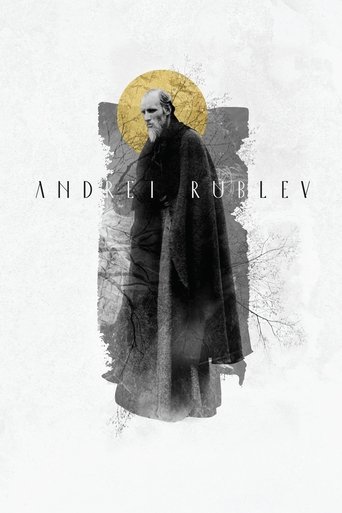
Andrei Rublev (1966)
Tarkovsky's earlier masterpiece shows the long takes, spiritual concerns and painterly style that Solaris carries into science fiction.
Compare another approach
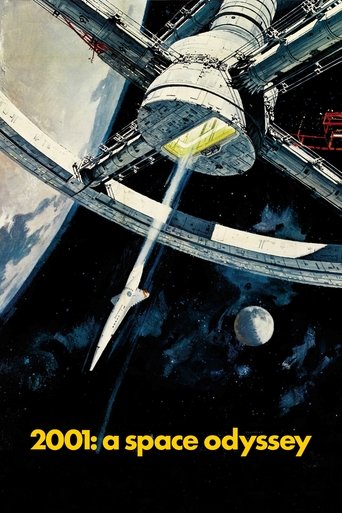
2001: A Space Odyssey (1968)
The obvious companion. Comparing Kubrick's cool, structural vision with Tarkovsky's warmer, human one shows two ways science fiction can be philosophical.
See what influenced it
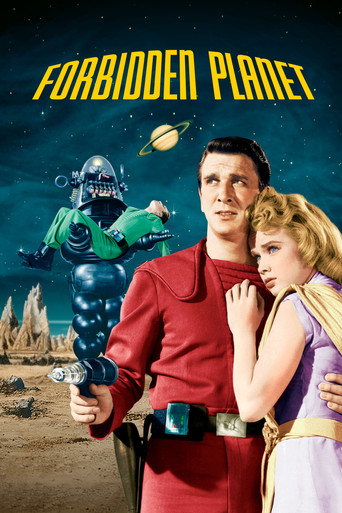
Forbidden Planet (1956)
An earlier science-fiction film about a mind and a hidden planet. It shows how the genre first began to explore psychology.

See its influence
Under the Skin (2013)
A recent film that inherits Tarkovsky's slow, immersive and estranged way of presenting an alien encounter.
Jump forward
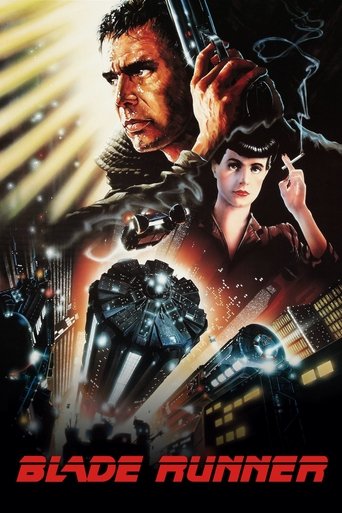
Blade Runner (1982)
Another reflective science-fiction film about memory, identity and what makes someone human, in a very different visual style.