Science Fiction · Adventure · Drama · Action
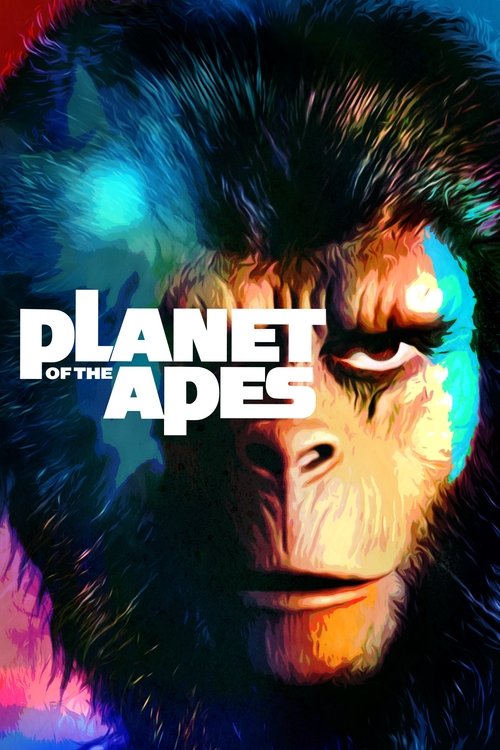
Planet of the Apes
American
1968 · Directed by Franklin J. Schaffner · 112 min


Science Fiction · Adventure · Drama · Action
American
1968 · Directed by Franklin J. Schaffner · 112 min









Meaning, unpacked
Central idea
The film can be read as a satire about human arrogance: by putting a cynical man in a society that treats him as an animal, it asks how power, faith and fear are used to defend a hierarchy, and what humanity does with its own capacity for destruction.
What it means
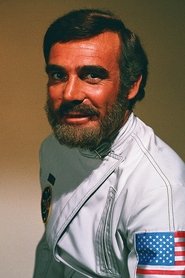
An astronaut crashes on a world where apes rule and humans are hunted like game. Taylor escapes, and on a beach he finds the Statue of Liberty wrecked in the sand. That image is the key to everything. The film works as a satire of human arrogance: it puts a cynical man in a society that treats him as an animal, then asks how power, faith and fear are used to defend a hierarchy.
The apes rank themselves by species, and the reversal makes familiar bigotry look strange. Zira and Cornelius stand for inquiry, while Dr. Zaius defends scripture and buries evidence. Taylor left Earth despising humanity, and the ending forces him, and you, to face the chance that his contempt was deserved. The film is often read as a Cold War warning about how fragile civilisation is. Taylor wanted to find something better than us. What he found was a mirror.
Why it mattered
Studios feared audiences would laugh at talking apes, so producer Arthur P. Jacobs struggled to get funding. Makeup tests with Charlton Heston and others won Fox over. Those tests were well spent: John Chambers and his team made foam-latex faces that let actors move their facial muscles and really act. Chambers received an honorary Oscar, before the Academy had a regular makeup category.
Released in 1968, the same year as 2001: A Space Odyssey, it showed that a major studio could use science fiction for pointed social allegory, rather than B-movie monsters. The ape world was scaled back to something primitive, cheaper to build, and the rounded, rock-hewn look suited a society built on tradition. Widescreen desert photography and Jerry Goldsmith's atonal, percussive score kept the whole thing feeling truly alien.
Before anyone tells you what to think: what did you make of it?
Log in to rate it and leave commentsIt takes one click with Google or an email link. You come straight back here.
Rate it, keep your notes, and find the next film.
Free, no ads. Your journal, your lists, a Cine Guide that remembers you.
Create your free spaceThe film spawned four sequels, television series, remakes and a modern reboot series, and it showed that science fiction could carry a franchise. Its ending became one of cinema's most imitated and parodied reveals, and The Simpsons sent it up in a musical sketch in "A Fish Called Selma." Taylor's cry "You maniacs! You blew it up!" became shorthand for nuclear fear, and the wrecked Statue of Liberty is one of cinema's best-known images.
Reviews at release were mixed to positive, praising the ambition, the makeup and the score, though some doubted the premise. Audiences did not, and it was a strong success for Fox. Its standing has grown steadily: once seen as popular entertainment, it is now regarded as a major piece of sixties science fiction. Some dated details now feel like part of its charm, and people still cite it in debates about animal experimentation and captivity.
What happens
Taylor and Nova ride along the shore and find the wrecked Statue of Liberty half-buried in the sand. He realises the planet was Earth all along, destroyed by humanity itself, and collapses in despair.
The last line
"You maniacs! You blew it up!"
What it says
The ending turns the apes' world into a mirror: nothing was alien, only ours transformed. Taylor left Earth despising humanity and now must face that his contempt may have been earned. It works as a Cold War warning about how fragile civilisation is.
Or follow an idea from this film

Continue the director
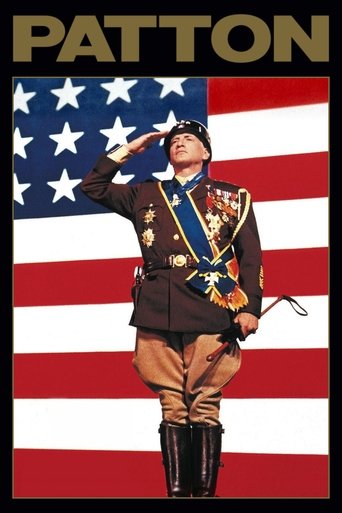
Patton (1970)
Franklin J. Schaffner's next major success, a very different film that shows his command of large-scale drama and a powerful central performance.
Explore the era or movement
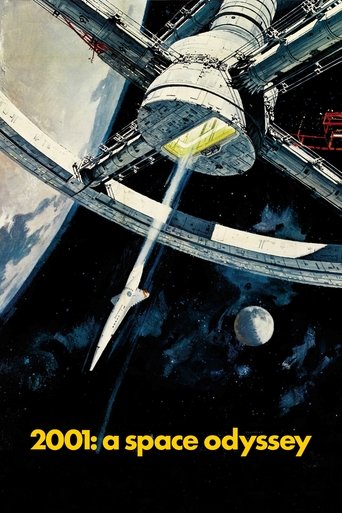
2001: A Space Odyssey (1968)
Released the same year, it shows the other direction serious science fiction took: abstract, visual and philosophical rather than allegorical and adventurous.
See what influenced it
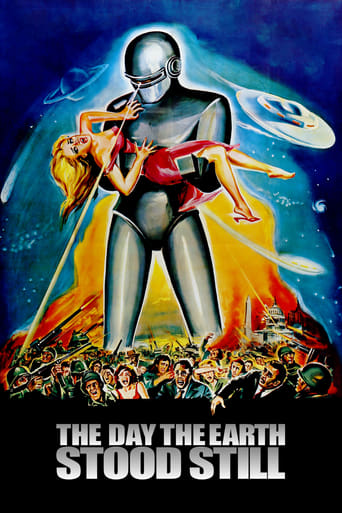
The Day the Earth Stood Still (1951)
An earlier example of Hollywood using science fiction to question human behaviour and Cold War politics.
Jump forward
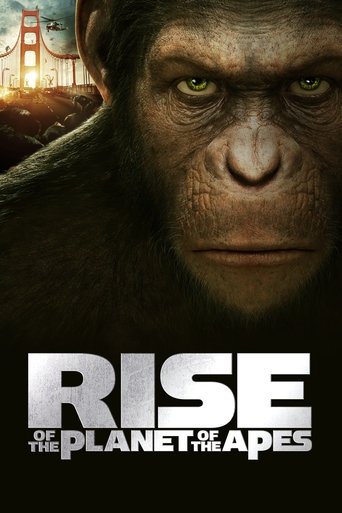
Rise of the Planet of the Apes (2011)
A modern reimagining that shows how performance capture replaced prosthetic makeup while keeping the franchise's ethical questions.
Follow the idea
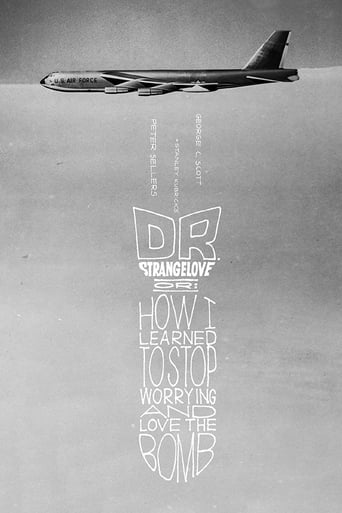
Dr. Strangelove (1964)
A Cold War satire about humanity's capacity for self-destruction, a close relative of this film's central anxiety.