Drama · Romance · Crime
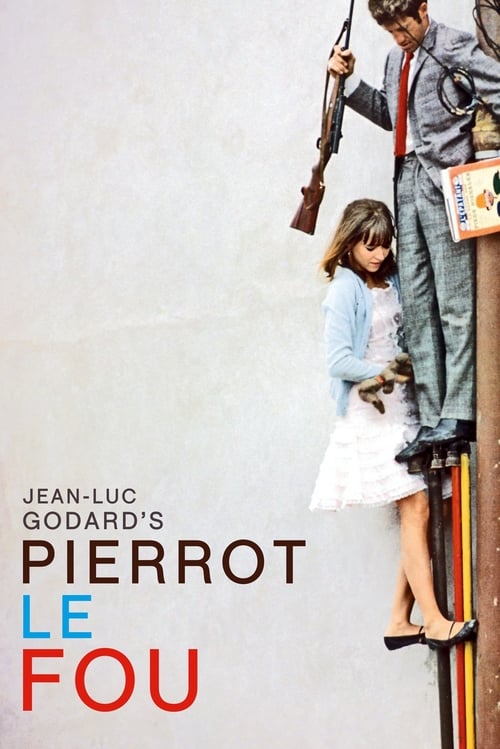
Pierrot le Fou
French
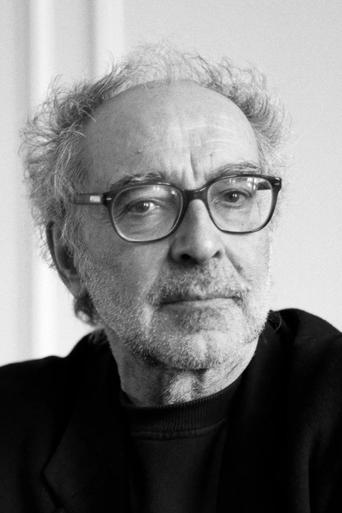
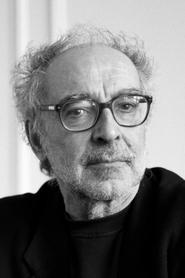
1965 · Directed by Jean-Luc Godard · 110 min


Drama · Romance · Crime
French
1965 · Directed by Jean-Luc Godard · 110 min




Meaning, unpacked
Central idea
The film can be read as a study of escape: from bourgeois routine, from language that no longer means anything, and from the stories cinema tells about love and crime. Godard asks whether freedom is possible when everyone is acting out borrowed roles.
What it means
On the surface, a man named Ferdinand walks out on a comfortable Paris life, takes to the road with a woman, and ends with his face painted blue and dynamite around his head. But the plot is not the point. Pierrot le Fou is a study of escape: from bourgeois routine, from language that no longer means anything, and from the stories cinema tells about love and crime. Godard asks a cruel question: can anyone be free when everyone is acting out borrowed roles?
The lovers want different things. He wants poetry and a quiet life; she wants action and adventure. They speak past each other, and the film finds that both tragic and funny. Even their freedom feels scripted, since the characters quote books and poems because they cannot say what they feel. At the opening party, Samuel Fuller appears as himself and defines cinema as emotion, a line that works as a key to the whole film. After all the noise, quotation and cartoon violence, it ends with Rimbaud's poem "L'Éternité". A poem is what remains.
Why it mattered
In 1965 this was a film that refused to behave like a thriller. It is a very free adaptation of Lionel White's crime novel Obsession. Godard kept a man and woman on the run and threw away most of the thriller machinery. Satire turns into road movie, a quiet island interlude has no plot at all, and a staged skit about the Vietnam War breaks into the romance. It showed how far a narrative film could bend, mixing Hollywood genre, art and politics, without losing its emotional pull.
Before anyone tells you what to think: what did you make of it?
Log in to rate it and leave commentsIt takes one click with Google or an email link. You come straight back here.
Rate it, keep your notes, and find the next film.
Free, no ads. Your journal, your lists, a Cine Guide that remembers you.
Create your free spaceThe style did the work. Raoul Coutard's saturated colour and wide frames made colour into emotional shorthand rather than realism. Jump cuts and sudden cuts to unrelated images stopped the film settling into one genre, and the narration often deflates what you see. Songs interrupt the action, sometimes sincerely, sometimes ironically. It is often called a pivot between Godard's early genre-based films and his later political work. And despite the myth, it was not improvised: he worked from the novel and handwritten notes, writing scenes shortly before shooting.
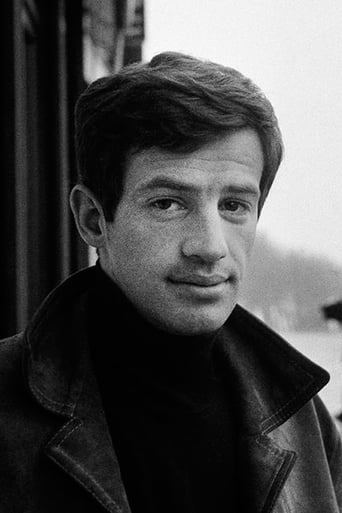
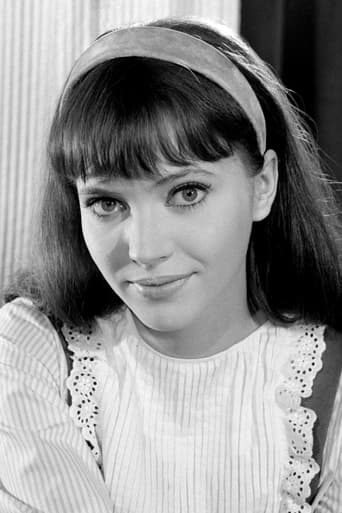
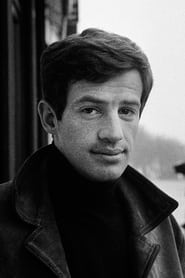
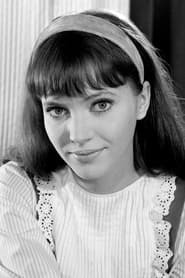
Its blend of genre, romance, direct address and visual abstraction fed later lovers-on-the-run films and independent cinema around the world. Directors from Wong Kar-wai to Quentin Tarantino have drawn on its colour, its pop sensibility and its willingness to break form. The blue face against the Mediterranean became one of the most recognisable images of 1960s European cinema, and the film helped fix Anna Karina and Jean-Paul Belmondo as emblems of New Wave cool.
At the time, reaction was divided. It premiered in competition at Venice in 1965. Many French critics called it dazzling and personal, while others found it self-indulgent and scattered. Its release in France drew modest box office, and some viewers were baffled by the shifts of tone. Since then its reputation has grown steadily. Once seen as a chaotic experiment, it is now often treated as one of Godard's richest and most emotionally affecting films, admired for its colour and the sadness beneath its playfulness. It is a staple of university courses and repertory programmes.
What happens
Ferdinand shoots Marianne and her lover Fred, then paints his face blue and wraps dynamite around his head. He changes his mind too late and cannot stop the fuse. The explosion ends the escape he began in Paris.
The last image
The sea and sun fill the screen while two voices recite Rimbaud's lines about eternity.
Two readings
What it says
Ferdinand fled one script and fell into another, the romantic outlaw. The ending shows that no escape from borrowed roles is complete. After the noise and violence, only the poem and the sea are left.
Or follow an idea from this film

Continue the director
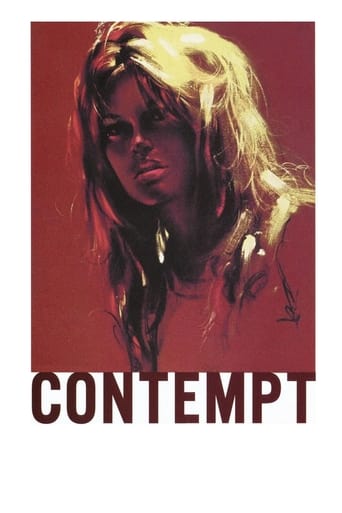
Contempt (1963)
Godard's other major colour film of the decade, about a marriage collapsing during a film shoot. It shares the Mediterranean setting and the mix of cinephilia and heartbreak.
Compare another approach
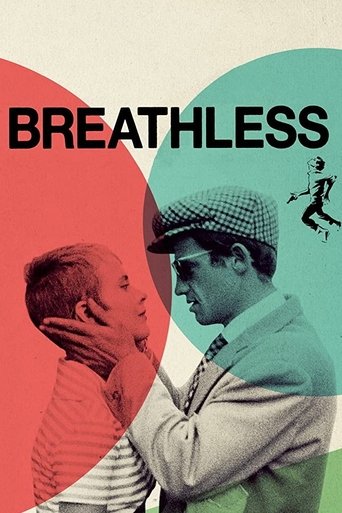
Breathless (1960)
Watch Belmondo and Godard five years earlier. The jump from raw black-and-white debut to colourful, essayistic maturity shows how quickly he evolved.
See its influence
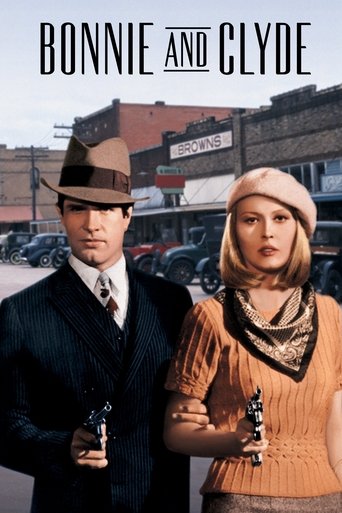
Bonnie and Clyde (1967)
An American film that borrowed the New Wave's spirit, combining outlaw romance, comedy and shocking violence.

Follow the idea
Badlands (1973)
Another lovers-on-the-run story where the couple's inner lives matter more than the crime, in a very different, dreamlike American register.
Explore the era or movement
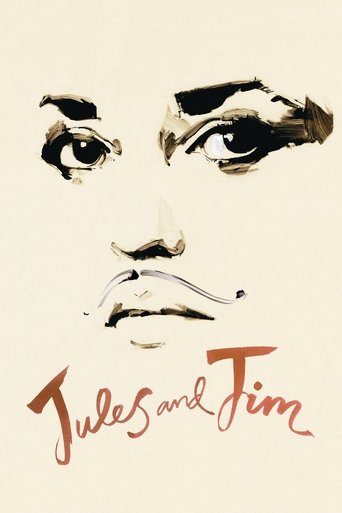
Jules and Jim (1962)
Truffaut's tender, restless New Wave love story offers a gentler counterpart to Godard's more abrasive treatment of love.