War · Drama
Paths of Glory
American
1957 · Directed by Stanley Kubrick · 88 min


War · Drama
American
1957 · Directed by Stanley Kubrick · 88 min





Meaning, unpacked
Central idea
The film can be read as an argument that institutions protect themselves before they protect people. War here is less a clash between nations than a machine in which ambition and rank decide who is sacrificed.
What it means
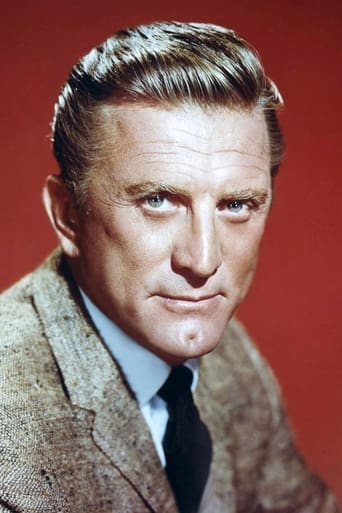
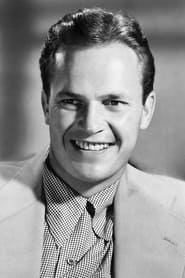
Paths of Glory is a war film in which the real fight happens behind the lines. The enemy that matters is not German. It is the French army's own chain of command. In 1916, a general who has been promised promotion orders an almost impossible assault. Colonel Dax, played by Kirk Douglas, protests, then obeys. When the attack collapses, the generals need someone to blame, and three soldiers are chosen almost at random for a cowardice trial that has the forms of law but none of the substance. They are shot at dawn.
You can read the film as an argument that institutions protect themselves before they protect people. Generals spend men's lives like currency and call it honour and discipline. Justice becomes a performance. Even space carries the class divide: officers in a chateau, soldiers in mud. Then comes the tavern, where rowdy soldiers jeer at a frightened German girl, fall silent, and hum along, some in tears. It doesn't undo what the generals did. It insists that something human survived them.
Why it mattered
Studios were wary of a bleak First World War story, so the film was hard to get made. Kirk Douglas's commitment through his company Bryna Productions, and his star value, helped secure United Artists' backing. It was unusual because it looked at rank, ambition and responsibility, not battlefield heroics or the enemy.
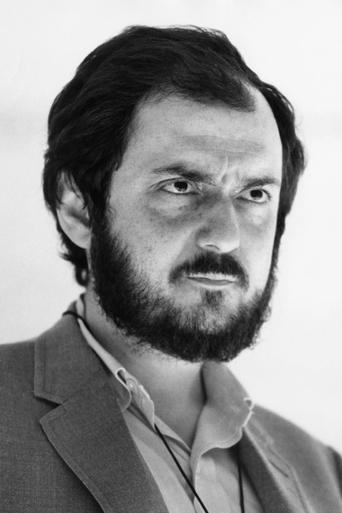
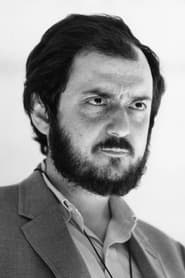
It also showed what Kubrick could do with a camera. Long tracking shots in the trenches make space feel like a mechanism, and the attack across no man's land conveys its futility through geometry and rhythm, not spectacle. Made when he was still in his late twenties, it is the film where his style fully arrived.
Before anyone tells you what to think: what did you make of it?
Log in to rate it and leave commentsIt takes one click with Google or an email link. You come straight back here.
Rate it, keep your notes, and find the next film.
Free, no ads. Your journal, your lists, a Cine Guide that remembers you.
Create your free spaceIts cold analysis of command, and its tracking-shot view of trench warfare, fed into Kubrick's later Dr. Strangelove and Full Metal Jacket. It also shaped many later war films that treat the military as a system rather than a stage for heroism. Today the film is used in film courses and in military ethics and leadership teaching, where the court-martial and the clash between Dax and his generals stand as an example of obedience, careerism and moral responsibility.
In its day, reviews were largely admiring, especially for the direction and Douglas, but it was not a significant commercial success in the United States. Its subject drew objections abroad, and it was kept out of France for years. Its reputation has grown steadily since. It is now seen as one of the clearest statements about how armies can betray their own people.
What happens
The three condemned men are shot at dawn. Broulard then offers Dax Mireau's command, assuming his protests were ambition, and Dax, disgusted, tells him otherwise. The generals never see what they have done.
The last image
Dax watches the soldiers hum along with the German girl's song, some in tears, before he is told the regiment must return to the front.
What it says
The ending is clear. The film drops argument for feeling: the song shows ordinary men can still be moved, even though the system has lost its compassion. Nothing is undone, and the war simply goes on.
Or follow an idea from this film

Continue the director
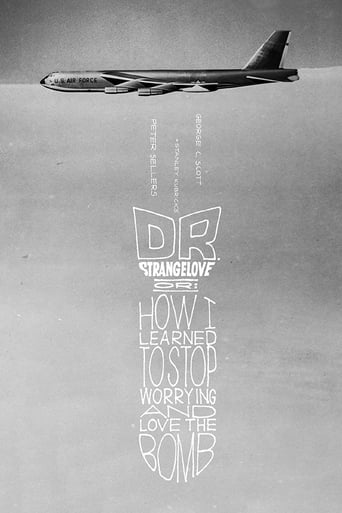
Dr. Strangelove (1964)
Kubrick's next great critique of military authority, now as satire. It shares the sense of institutions run by people more concerned with themselves than the consequences.
See what influenced it
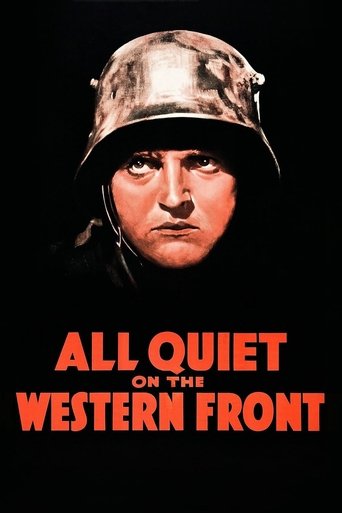
All Quiet on the Western Front (1930)
The foundational sound-era First World War film shows the earlier anti-war tradition that Kubrick's film inherits and makes colder.
Compare another approach
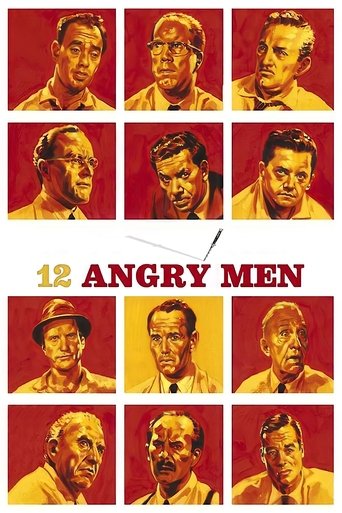
12 Angry Men (1957)
Released the same year, it also examines justice and institutional pressure, but in a mood of hope that individual conscience can prevail.
Explore the era or movement
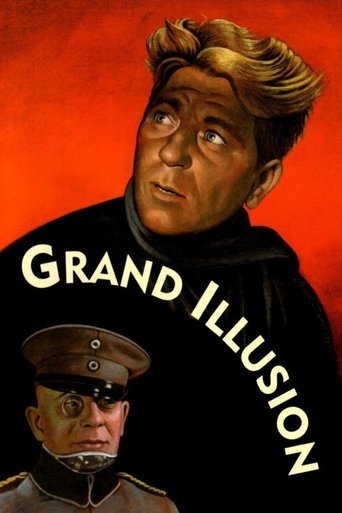
Grand Illusion (1937)
A French view of the First World War where rank and class matter as much as nationality, treated with humanism rather than bitterness.
Jump forward
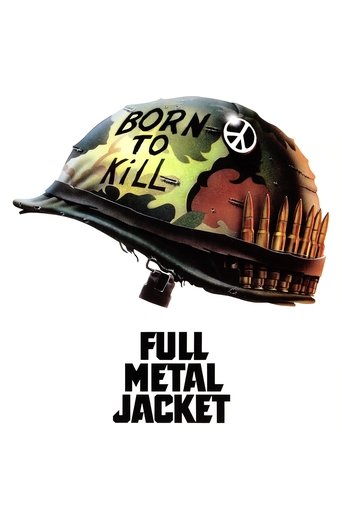
Full Metal Jacket (1987)
Shows how Kubrick's style and views on war developed three decades later, with the same symmetrical, controlled direction.