Drama
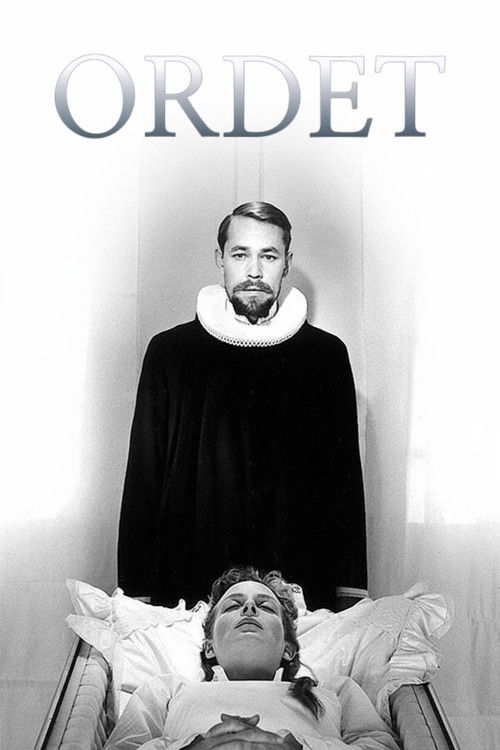
Ordet
Danish
1955 · Directed by Carl Theodor Dreyer · 125 min


Drama
Danish
1955 · Directed by Carl Theodor Dreyer · 125 min



Meaning, unpacked
Central idea
The film asks what living faith looks like against comfortable orthodoxy, sectarian rigidity and plain unbelief. It can be read as a challenge to believers and sceptics alike: do they actually trust what they say they hold?
What it means
Ordet asks a question that is simple to say and hard to live: what does living faith look like, next to comfortable orthodoxy, sectarian rigidity and plain unbelief? Do you actually trust what you say you hold? It puts that question to believers and sceptics alike.
Take the scene where Morten visits Peter the tailor. Two fathers argue over their churches and their children's marriage. Neither is a villain, and neither is right. Both cling to rules and certainty, while the ones who show a more direct trust are the least orthodox: a child, and a man thought insane. Underneath run family, prayer, madness, and the sacred and the domestic sharing one world. That is why the film is often misread as a plain endorsement of Christianity. It criticises stern piety, and it criticises complacent unbelief. The ending is read as miracle, symbol or ideal of trust. Perhaps the question is who in that room was ready to see it.
Why it mattered
In 1955, while Hollywood made Biblical epics in colour and widescreen, Dreyer filmed belief in plain rooms, in black and white, with no grand effects. He was one of the few silent-era masters still working, and he showed how little a film needs to make faith feel serious.
He did it with slow, carefully planned tracking and panning shots and very few cuts, so you share the family's waiting instead of being steered by editing. Pale walls, simple furniture, strong daylight, restrained acting, sparse music. Even the miracle is filmed without special effects or swelling music, only light, stillness and acting. Ordet won the Golden Lion at Venice in 1955 and was admired by serious critics, but its slow pace and austere style kept audiences small.
Before anyone tells you what to think: what did you make of it?
Log in to rate it and leave commentsIt takes one click with Google or an email link. You come straight back here.
Rate it, keep your notes, and find the next film.
Free, no ads. Your journal, your lists, a Cine Guide that remembers you.
Create your free spaceIts still, spiritually charged style fed filmmakers such as Tarkovsky and Lars von Trier, whose Breaking the Waves owes it much. Carlos Reygadas's Silent Light openly echoes its ending, and Paul Schrader's writing on transcendental style made Ordet a key reference.
Its reputation has grown steadily. It is now seen as one of Dreyer's greatest films and a central example of spiritual art cinema, often taught alongside Bresson, Ozu and Tarkovsky. Its resurrection scene is a standard case study in courses on religion and film, a rare screen miracle staged as plainly as the rest of the story. In Denmark it is a touchstone for how the country pictures its own religious, rural past.
What happens
At Inger's coffin, Johannes, calm and himself again, prays for her to rise, and she opens her eyes. Mikkel, the unbeliever, cries out in faith. The families' quarrel is already over.
The last image
Inger lies alive in the lamplit room, and the family gathers around her in quiet wonder.
Three readings
What it says
The ending turns on who believes. Those clinging to doctrine or doubt are startled, while a child and a man called mad trusted. Dreyer films it plainly, so the question stays with you: would you be ready to see it?
Or follow an idea from this film

Continue the director
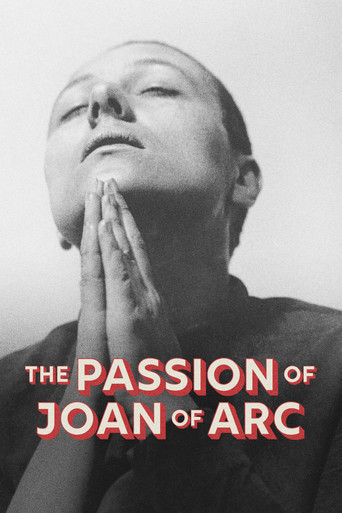
The Passion of Joan of Arc (1928)
Dreyer's silent masterpiece shows the same concentrated treatment of faith, with close-ups instead of long takes. Seeing both reveals how his style changed and what stayed.
Compare another approach
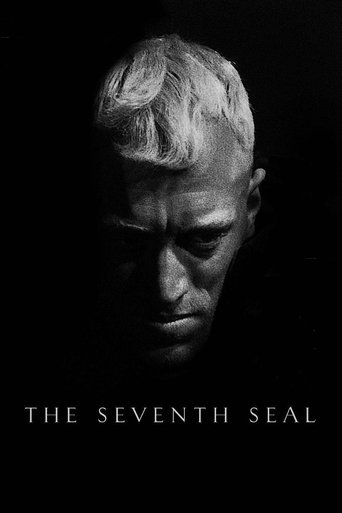
The Seventh Seal (1957)
Bergman made a Scandinavian drama about doubt and God's silence just after Ordet. The contrast between his anguish and Dreyer's stillness is revealing.
Follow the idea
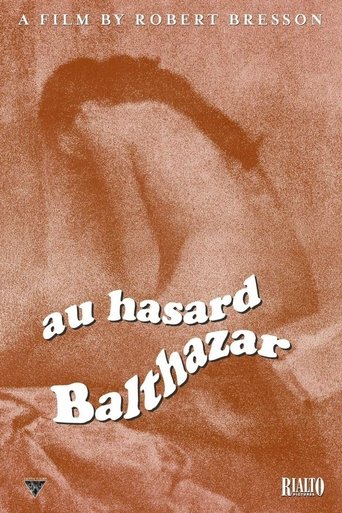
Au Hasard Balthazar (1966)
Robert Bresson's austere, spiritual film shares Dreyer's restraint and belief that grace can appear in the plainest circumstances.
See its influence
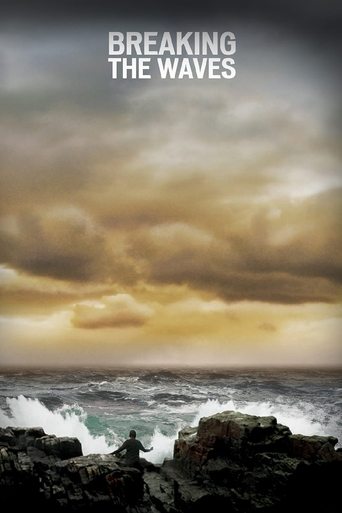
Breaking the Waves (1996)
Lars von Trier reworked Dreyer's themes of faith, miracle and a strict community into a rawer, modern melodrama.

Continue the director
Gertrud (1964)
Dreyer's final film turns his long takes and sparse sets to a love story, completing the late style begun in Ordet.