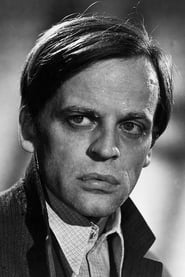
Drama · Horror
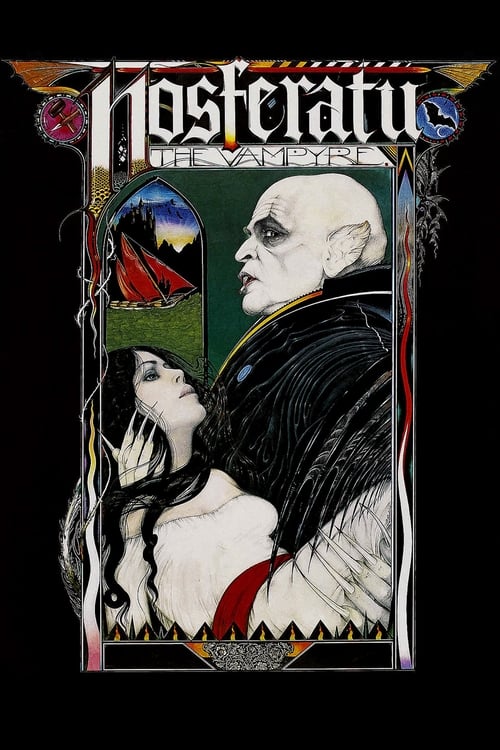
Nosferatu the Vampyre
German (Nosferatu: Phantom der Nacht)
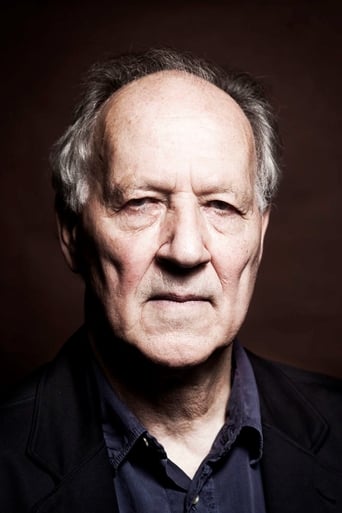
1979 · Directed by Werner Herzog · 107 min


Drama · Horror
German (Nosferatu: Phantom der Nacht)
1979 · Directed by Werner Herzog · 107 min
Meaning, unpacked
Central idea
The film can be read as a meditation on mortality and loneliness: its vampire is less a villain than a being cursed with endless life, and the human world's fear of death hardly looks nobler.
What it means
On the surface this is a story you know: a Count follows a man home by ship, plague arrives with the rats, and Lucy offers herself to end it. Underneath, Werner Herzog is making a meditation on mortality and loneliness. Klaus Kinski's Count is less a villain than a being cursed with endless life. He longs for love, and he is weary of living forever. It is death, not survival, that the film treats with strange tenderness.
Then it turns the mirror around. The town's fear of death hardly looks nobler. Doctors, officials and merchants cannot name what threatens them, so they cling to routine. When the epidemic comes, order dissolves, and the feast in the square becomes the film's real subject: townspeople eating and drinking defiantly among rats and coffins. Against this denial, Lucy's devotion is a moral force the men, caught in their professions, cannot match.
Why it mattered
Herzog did not simply remake F. W. Murnau's 1922 film. He called it the greatest German film, and he saw his version as a way to reconnect with a tradition interrupted by the Nazi era. It is dedicated to the critic Lotte Eisner, and it is often described as a bridge between Weimar-era cinema and the New German Cinema.
It was also a remake that did something new. Herzog quotes Murnau's images, but he uses colour and new characters, and he changes the ending and the tone. He follows Stoker's outline yet delays the vampire's presence and lets the town fall apart, so the horror becomes collective. He filmed in real places in the Netherlands, Slovakia and Mexico rather than in studio recreations, and shot the film twice, in German and English, with the same cast.
Before anyone tells you what to think: what did you make of it?
Log in to rate it and leave commentsIt takes one click with Google or an email link. You come straight back here.
Rate it, keep your notes, and find the next film.
Free, no ads. Your journal, your lists, a Cine Guide that remembers you.
Create your free spaceLater vampire films, from Coppola's Dracula to Robert Eggers's 2024 Nosferatu, work in the shadow of both Murnau and Herzog. Its tragic, ageless monster and its painterly, landscape-driven horror still shape art-house genre cinema. The score by the German band Popol Vuh became inseparable from Herzog's work, and the opening mummies and the plague-stricken square became shorthand for the film.
When it came out, reception was generally positive, especially for Kinski and the imagery, though some critics found it slow or too reverent. It did well in Germany and won Herzog an international audience. Its reputation has grown steadily. Today it is often ranked among the best vampire films and among Herzog's most accessible work, valued for atmosphere and melancholy.
What happens
Lucy holds Dracula with her until sunrise destroys him, and dies for it. Van Helsing stakes the corpse too late, and he is arrested. Jonathan, already a vampire, rides off, inheriting the curse.
The last image
Jonathan, now a vampire, rides away on horseback, the curse passed on to him.
What it says
Lucy's sacrifice ends the Count but not the curse. Death is not defeated, only handed on, and the men who deny it are the ones who carry it forward. Herzog refuses a tidy victory.
Or follow an idea from this film
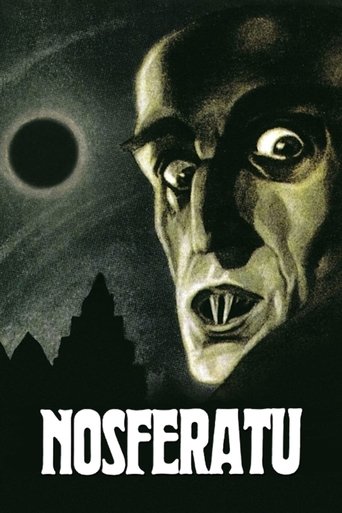

See what influenced it
Nosferatu (1922)
Seeing Murnau's original, preferably after Herzog's version, shows exactly what Herzog borrowed, transformed and left out.

Continue the director
Aguirre, the Wrath of God (1972)
Herzog and Kinski's first collaboration, another journey into a overwhelming landscape and another study of obsession.
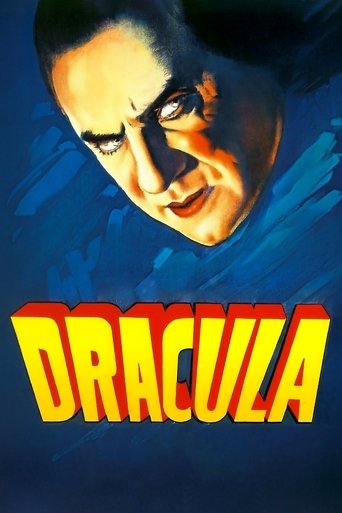
Compare another approach
Dracula (1931)
The Universal version is theatrical and polished, a useful contrast to Herzog's slow, melancholic and dreamlike vampire.
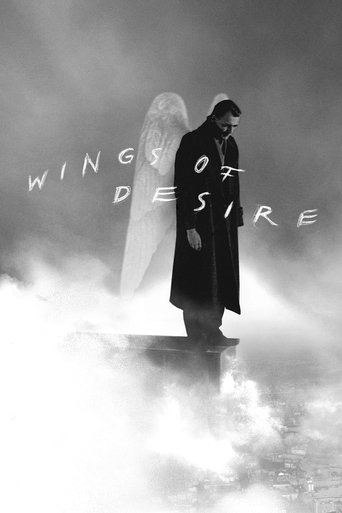
Explore the era or movement
Wings of Desire (1987)
Wim Wenders's poetic fantasy shows another strand of New German Cinema, one that also engages with German cinema's earlier heritage.