Thriller · Adventure
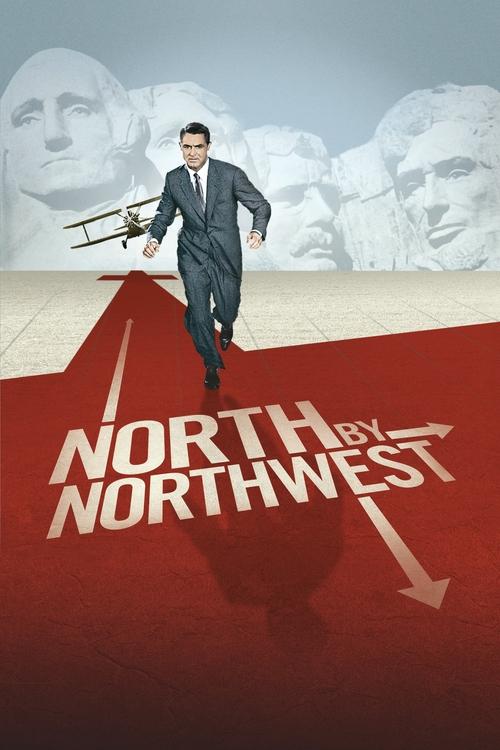
North by Northwest
American
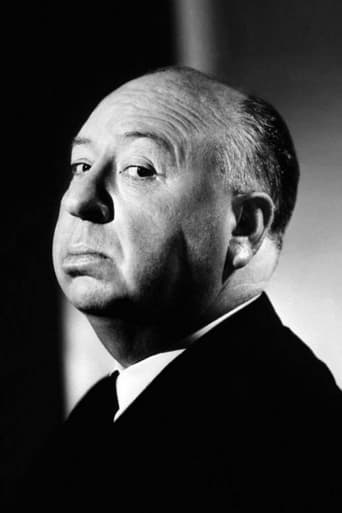
1959 · Directed by Alfred Hitchcock · 137 min


Thriller · Adventure
American
1959 · Directed by Alfred Hitchcock · 137 min




Meaning, unpacked
Central idea
The film can be read as a comic nightmare about identity: a man defined by image, salesmanship and glib talk is made to become someone else, and discovers what is under the polish.
What it means
A smooth-talking man is mistaken for someone else and chased across the country until he becomes that someone. That is all the plot you need. The real subject is identity. Roger Thornhill lives on image, salesmanship and glib talk, but once other people decide who he is, he cannot talk his way out of it. Even his name is a joke: he says the middle initial O stands for nothing, and it really does. He is an invented identity wearing a very good suit.
That idea runs through everything. Advertising, spies, auctions and flirtation all run on presentation, and nearly everyone on screen is acting, so trust becomes scarce. In the dining car, the banter is seduction and interrogation at once: charm and danger sound exactly alike. At the auction, performance becomes survival. Roger starts as an irresponsible, much-divorced charmer, still dominated by his mother, and the adventure forces commitment and sincerity on him. Notice that his suit survives planes, cliffs and chases and still looks perfect. The polish was never the point.
Why it mattered
Hitchcock turned the thriller inside out. Thrillers belonged to night and shadow, but in the crop-duster scene the threat arrives in bright sun on empty farmland, with long stretches of almost no music or dialogue. Robert Burks shoots in VistaVision colour with wide frames, so a small figure is lost in a huge space. The idea is exposure, not concealment, and it is pure visual suspense.
The film also showed how much fun a chase could be. Ernest Lehman built the script around set pieces, and the story escalates from place to place, with jokes and double meanings folded into the suspense. Saul Bass's title sequence and Bernard Herrmann's fandango-like theme set the tone straight away: stylish, fast, playful. It was a big hit for MGM, loved for its pace, star power and humour, though some saw it as lighter than Hitchcock's more psychological work.
Before anyone tells you what to think: what did you make of it?
Log in to rate it and leave commentsIt takes one click with Google or an email link. You come straight back here.
Rate it, keep your notes, and find the next film.
Free, no ads. Your journal, your lists, a Cine Guide that remembers you.
Create your free spaceIts fingerprints are everywhere. The crop-duster is still parodied as shorthand for absurd, open-air menace. Cary Grant's grey suit turns up in menswear writing as a model of mid-century elegance. The film also helped define the stylish spy adventure that the early Bond films pursued, and its wrong-man chase across famous landmarks has been echoed in countless later thrillers. Hitchcock used its secret microfilm to illustrate the MacGuffin, a plot object that matters hugely to the characters and hardly at all to you, and the term is now common in film talk.
Its reputation has only grown. It earned three Oscar nominations, for screenplay, art direction and editing, and won none. Once seen as pure entertainment, it is now studied as a model of classical Hollywood craft and visual storytelling. If you want to go next to the source of that influence, watch the early Bond films and see how much they borrow, then try Hitchcock's darker, more psychological work.
What happens
On Mount Rushmore, Roger pulls Eve to safety and Vandamm's men are beaten. A final cut then jumps to Roger and Eve as a married couple on a train. The chase has made him someone who commits and tells the truth.
The last image
The train rushes into a tunnel, as Roger and Eve, now married, share a berth.
What it says
A man built on image and glib talk ends up sincere, forced by danger to commit. The film ends playfully, not solemnly, because it is a comic nightmare: the polish was never the point, and the happy ending is part of the joke.
Or follow an idea from this film

Continue the director
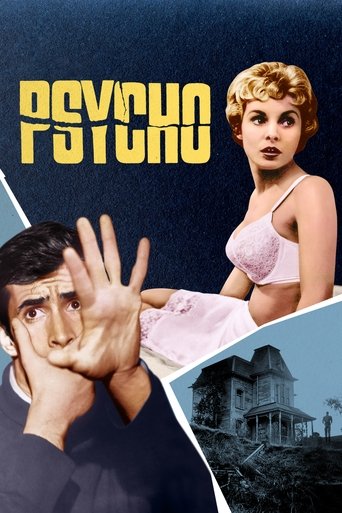
Psycho (1960)
Hitchcock's very next film turns sharply from glossy colour spectacle to stark black-and-white shock, showing the range of his control.
Continue the director
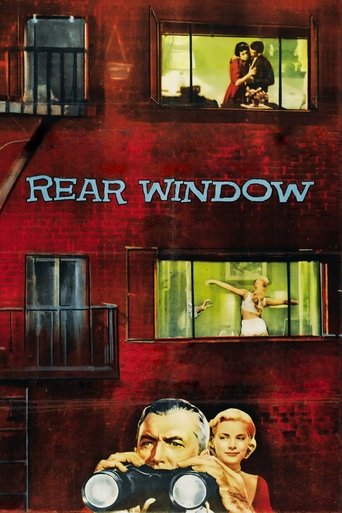
Rear Window (1954)
A confined, voyeuristic thriller that shows Hitchcock's skill in building suspense through viewpoint rather than movement.
Compare another approach
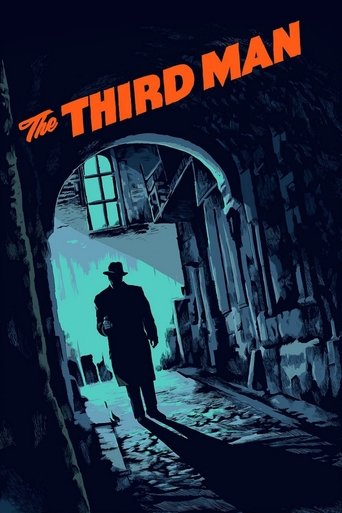
The Third Man (1949)
Another stylish wrong-man thriller, but dark, European and postwar, a useful contrast with Hitchcock's bright American spectacle.
See its influence
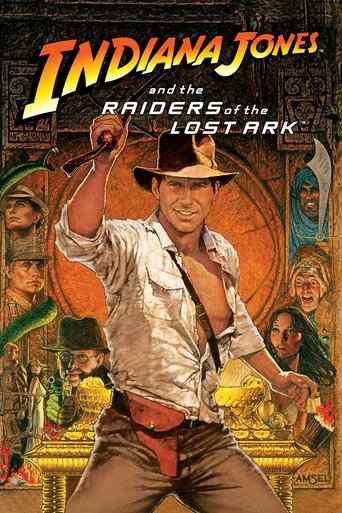
Raiders of the Lost Ark (1981)
A later adventure that applies North by Northwest's relentless set-piece structure, wit and iconic action to a different genre.
Follow the idea
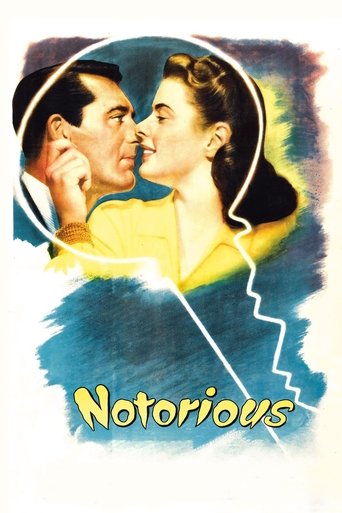
Notorious (1946)
Hitchcock's earlier spy romance with Cary Grant shows the same themes of desire, deception and espionage in a more tense, intimate form.