Mystery · Thriller
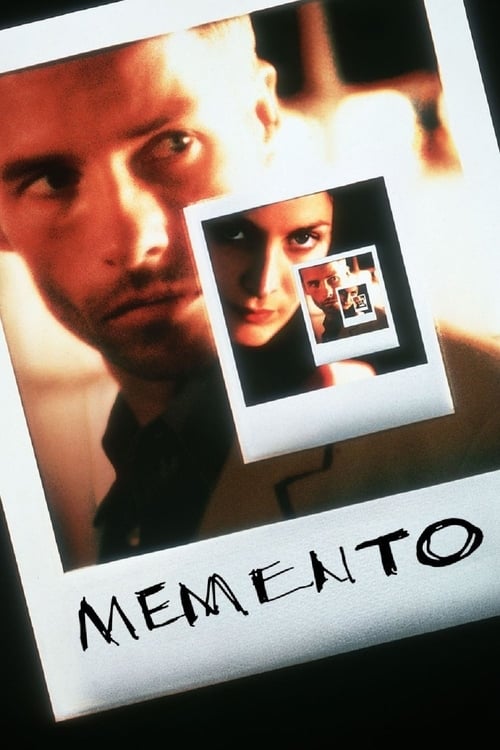
Memento
American
2000 · Directed by Christopher Nolan · 113 min


Mystery · Thriller
American
2000 · Directed by Christopher Nolan · 113 min
Meaning, unpacked
Central idea
The film explores how identity depends on memory, and how people build comforting stories about themselves. It can be read as a study of grief that hardens into purpose, in which belief matters as much as fact.
What it means
Leonard cannot make new memories, so he hunts his wife's attacker with Polaroids and tattooed notes. That is all the plot you need. The film is really about what is left of a person when memory goes, and what stories we tell ourselves to keep moving. Leonard insists he is still the man he was before his injury, and the film asks how much of a self can survive without new memories.
The ending answers that in a troubling way. Teddy's account unravels Leonard's version of events, and Leonard chooses what to believe. A mystery becomes a study of self-deception: people edit their own histories to bear what they cannot accept, and Leonard simply does it on a mechanical, repeatable scale. Revenge gives him a reason to go on, but you may wonder whether a purpose that can never be completed is a comfort or a trap.
Why it mattered
Memento made its structure part of its meaning. Dody Dorn's editing runs the colour scenes backward, each ending where the previous one began, while the black-and-white strand moves forward until the two meet. You always know the outcome but never the reason, so you feel Leonard's condition rather than just watching it. It was a defining independent thriller of 2000, and it revived the noir tradition in a new formal shape.
It showed how much we lean on sequence to judge motives and blame. Wally Pfister's cinematography keeps the strands apart: bright, anonymous motels, diners and parking lots in colour, and claustrophobic close-ups in a single room in black and white. Guy Pearce plays Leonard as sharp and sympathetic, so his errors feel human. It premiered at the Venice Film Festival in 2000, reached American audiences in 2001, and earned many times its cost.
Before anyone tells you what to think: what did you make of it?
Log in to rate it and leave commentsIt takes one click with Google or an email link. You come straight back here.
Rate it, keep your notes, and find the next film.
Free, no ads. Your journal, your lists, a Cine Guide that remembers you.
Create your free spaceMemento helped set off a wave of mainstream puzzle films and made fractured chronology a recognised commercial tool. It set up Christopher Nolan's later play with time in The Prestige, Inception, Dunkirk and Oppenheimer. The Tamil thriller Ghajini took unofficial inspiration from it, and its Hindi remake with Aamir Khan was a major hit in 2008. Online fans still chart timelines and argue over whether Leonard can be trusted.
It received two Oscar nominations, for original screenplay and for editing, though it won neither. Today it is a standard example of structure as meaning, often rewatched to find new clues. Its lasting unease is this: Leonard's system looks like a machine for finding the truth, but a note is only as honest as the person who writes it, and we all keep notes of our own.
What happens
Teddy tells Leonard he already killed his wife's real attacker long ago, that his wife survived the attack, and that Sammy's story is his own. Leonard refuses to accept it, then sets himself a new target: Teddy.
The last image
Leonard, who has just killed Teddy, is shown at the very start of the film, a Polaroid un-developing as the violence runs backward.
What it says
The ending shows Leonard choosing what to believe. He burns the photograph and writes Teddy's plate on a note, so the hunt can continue. The film ends this way to show how people edit their own histories to bear what they cannot accept.
Or follow an idea from this film
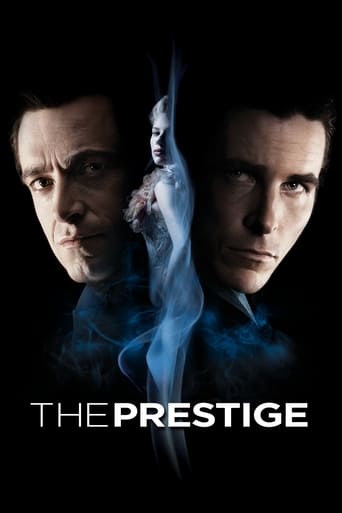

Continue the director
The Prestige (2006)
Nolan's next time-bending mystery on this list, again built around secrets, withheld information and a structure that rewards a second viewing.
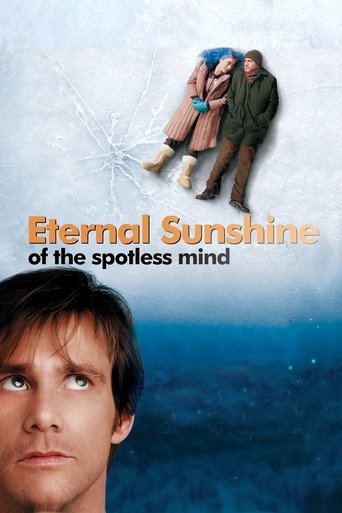
Follow the idea
Eternal Sunshine of the Spotless Mind (2004)
Memory as the main structural device, this time in a romance. It shows how the same idea can be used for emotion rather than mystery.
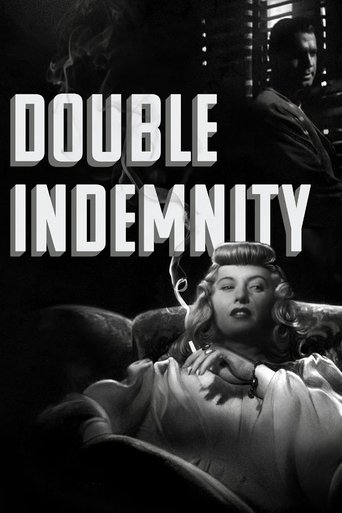
See what influenced it
Double Indemnity (1944)
A foundational noir with a first-person voiceover and a fatalistic story told with the outcome in view. It shows the genre Memento rebuilds.
Compare another approach
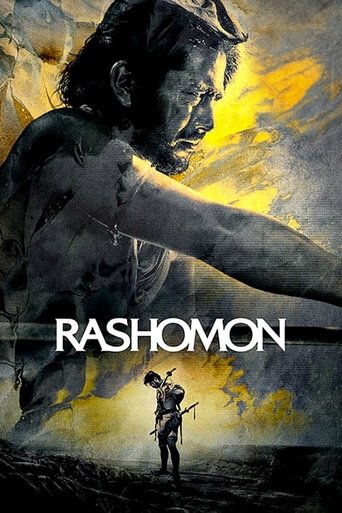
Rashomon (1950)
Both films make you question how we know what happened, but Rashomon does it by comparing several accounts rather than by breaking up time.
Explore the era or movement
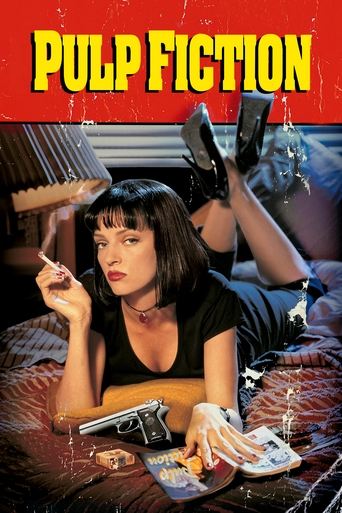
Pulp Fiction (1994)
A key 1990s independent crime film whose scrambled chronology helped prepare the audience for Memento's formal experiment.