Drama · Crime
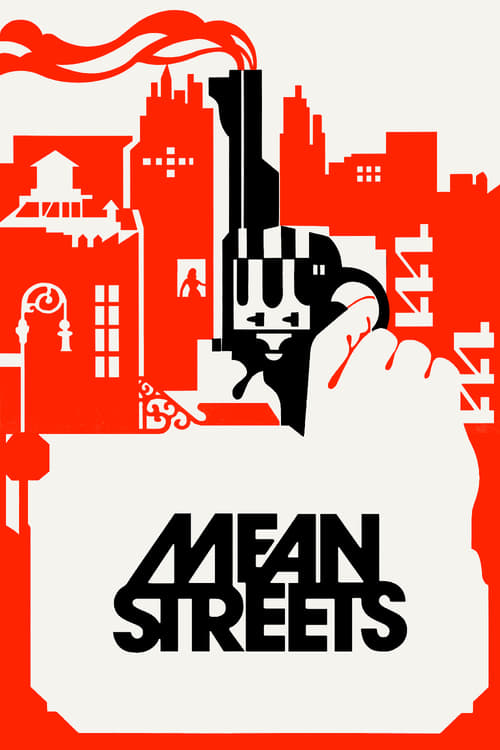
Mean Streets
American
1973 · Directed by Martin Scorsese · 112 min


Drama · Crime
American
1973 · Directed by Martin Scorsese · 112 min






Meaning, unpacked
Central idea
The film can be read as a study of a man trying to bargain with God and the neighbourhood at once. Charlie wants spiritual penance and worldly advancement, and the film shows that loyalty to a reckless friend may not fit either.
What it means
Mean Streets is about a man trying to bargain with God and with his neighbourhood at the same time. Charlie wants to do penance for his sins, and he also wants to get ahead. He collects money for his uncle Giovanni, a respected mob figure, and hopes to run a restaurant one day. He goes to church, but he believes penance happens out in the streets, in daily life.
Then there is Johnny Boy, funny, reckless and always in debt. Charlie's uncle tells him to stay away from Johnny Boy and from Teresa, Charlie's secret girlfriend. Every choice betrays something else. Around that tension the film explores Catholic guilt, men trapped in a constant act of bravado and dares, and a closed world where family, church and crime are hard to separate. At the end, Charlie tries to hide Johnny Boy and Teresa outside the city, but a gunman finds their car. There is no neat justice. Penance here is not something you finish. It is something you carry.
Why it mattered
Scorsese had made Boxcar Bertha for Roger Corman when John Cassavetes urged him to stop doing exploitation work and make something from his own life. This was that film. On a small budget, most of it was shot in Los Angeles, with only a short stretch in New York, so the Little Italy feel came largely from design and performance.
It also changed how a crime film could look and sound. Existing pop and rock records replaced a composed score, and songs carry what characters feel but cannot say. The camera is handheld and restless, even attached to Harvey Keitel so the world seems to sway with him. The story moves by episodes rather than a driving plot, and the fights feel clumsy and sudden, never choreographed. Instead of boardrooms and dynasties, it offers small-time hoods, bars and unpaid debts.
Before anyone tells you what to think: what did you make of it?
Log in to rate it and leave commentsIt takes one click with Google or an email link. You come straight back here.
Rate it, keep your notes, and find the next film.
Free, no ads. Your journal, your lists, a Cine Guide that remembers you.
Create your free spaceIt was shown at the New York Film Festival in 1973 and praised for its energy, authenticity and performances. It was not a big commercial hit, but it established Scorsese as an important new American director and raised Robert De Niro's profile. It also began the Scorsese and De Niro partnership that ran through Taxi Driver, Raging Bull and GoodFellas.
Its pop soundtrack, restless camera and talkative, believable criminals shaped later crime films, from GoodFellas to Reservoir Dogs. It helped fix a lasting image of Italian-American New York, and fed a continuing debate about how Italian-Americans are portrayed in crime stories. Today it is seen as the first full statement of Scorsese's style and a cornerstone of 1970s American cinema. Its rough edges, once a limitation, are now valued as honesty.
What happens
Charlie tries to hide Johnny Boy and Teresa outside the city, but a gunman finds their car. Shots are fired and it crashes. Both men are hurt, and the film leaves their fates uncertain. Charlie's bargaining gets no verdict.
The last image
The film ends on the streets, with Charlie and Johnny Boy wounded after the crash and Teresa distraught beside them.
What it says
There is no neat justice because penance, here, is never finished. Charlie wanted to square his loyalty, his ambition and his conscience, but the film shows he cannot satisfy all three. He is left carrying the debt, still in the street.
Or follow an idea from this film

Continue the director
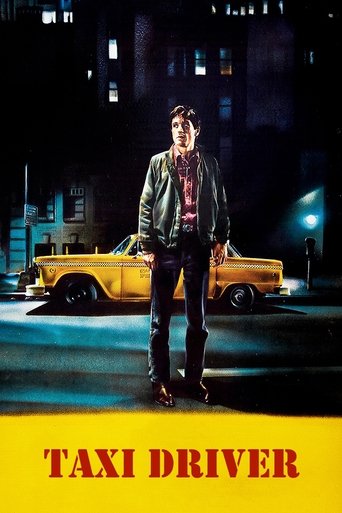
Taxi Driver (1976)
Scorsese and De Niro's next major collaboration takes the guilt and urban isolation of Mean Streets into darker, more subjective territory.
Compare another approach
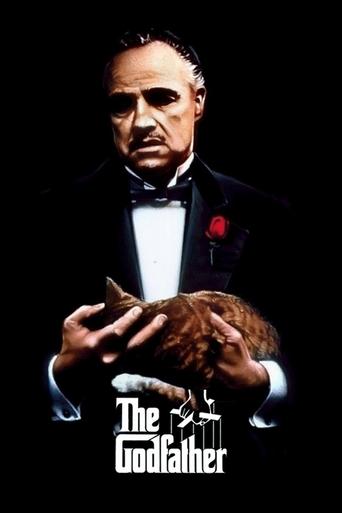
The Godfather (1972)
Released a year earlier, it shows the mythic, operatic side of the American mob film, a revealing contrast with this street-level approach.

Jump forward
GoodFellas (1990)
The mature Scorsese mob film shows how the techniques of this early work grew into a polished, kinetic style.
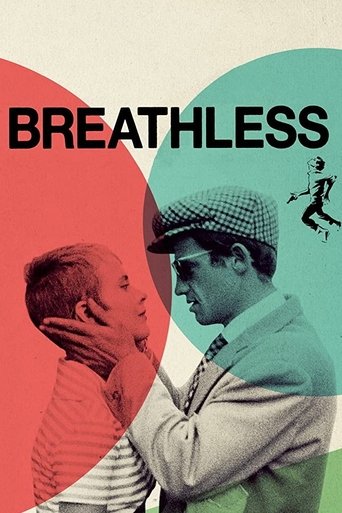
See what influenced it
Breathless (1960)
Godard's casual criminal and jump-cut energy helped inspire a generation of directors to treat crime as attitude and style.

Explore the era or movement
Badlands (1973)
Another debut-era American film from the same year, it shows a different, more lyrical approach within New Hollywood's outlaw cinema.