Fantasy · Horror
Le manoir du diable
French
1896 · Directed by Georges Méliès · 4 min


- Audience
- 6.4


Fantasy · Horror
French
1896 · Directed by Georges Méliès · 4 min
Meaning, unpacked
Central idea
The film turns cinema into a conjuring act. Its subject is less the devil than the screen's power to make the impossible look real, so that the audience's amazement is the point. It can be read as a magic trick with a thin moral frame.
What it means
A bat flies into a castle and turns into the devil. He conjures ghosts, skeletons and witches, until the cavaliers raise a crucifix and the spell breaks. That is all the story there is, and that is the point. Le manoir du diable is not really about the devil. It is about the screen.
Georges Méliès turns cinema into a conjuring act. Its subject is the power of film to make the impossible look real, and your amazement is what it is built to produce. Think of a magic trick with a thin moral frame around it. Mephistopheles is more host and magician than threat, and evil is treated as a piece of theatre. When the crucifix ends the chaos, it is the simple moral order of stage melodrama and folk tales.
Why it mattered
In 1896, audiences saw a novelty act, and it worked the way music-hall magic works: with surprise and delight. The film is a chain of surprises, what historians call the cinema of attractions, films that exist to astonish you rather than tell a tale. Before cinema had learned to tell stories, it already knew how to make you gasp.
Most of the magic rests on stop-substitution. Méliès stopped the camera, changed something in the frame, and started again, so a person or object seems to transform or vanish. He was a professional illusionist who ran the Théâtre Robert-Houdin in Paris, and he used editing on purpose. His painted backdrops, props and costumes came straight from the stage. Prints were sold abroad and widely shown, which helped make him a leading name in early French cinema.
Before anyone tells you what to think: what did you make of it?
Log in to rate it and leave commentsIt takes one click with Google or an email link. You come straight back here.
Rate it, keep your notes, and find the next film.
Free, no ads. Your journal, your lists, a Cine Guide that remembers you.
Create your free spaceMéliès treated film as constructed fantasy rather than recorded reality, an approach that led directly to A Trip to the Moon and on to later fantasy, horror and special-effects cinema. The bat that becomes a devil, the ghosts and skeletons, and the crucifix that defeats evil anticipate haunted-house imagery that horror kept using.
For a long time the film was treated as a historical curiosity. Today it is valued as an early landmark of horror and fantasy, and restored and coloured prints have brought it to wider audiences. Many people now meet Méliès through Martin Scorsese's Hugo, from 2011. One caution: call it one of the first horror films, not the first. That claim depends on definitions and on which very early films survive.
What happens
One of the cavaliers holds up a crucifix. The ghosts, skeletons and witches shrink back, the devil's power fails, and he vanishes. The castle is safe again, and the whole nightmare ends in one clean stroke.
The last image
The crucifix is raised and the devil is gone, leaving the cavaliers standing in the empty hall.
What it says
The ending is a simple moral reversal: faith beats the supernatural, as it did on the melodrama stage. But the film's real point is the show itself. It stops once the tricks are spent and you have had your wonder.
Or follow an idea from this film
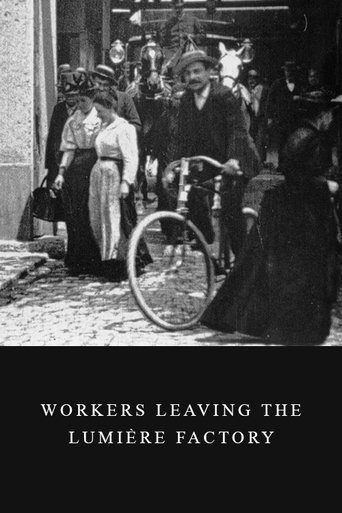

Explore the era or movement
Workers Leaving the Lumière Factory (1895)
Watch the opposite founding impulse of early cinema: the plain recording of real life. Together the two films show the realist and fantasy poles of cinema's first years.
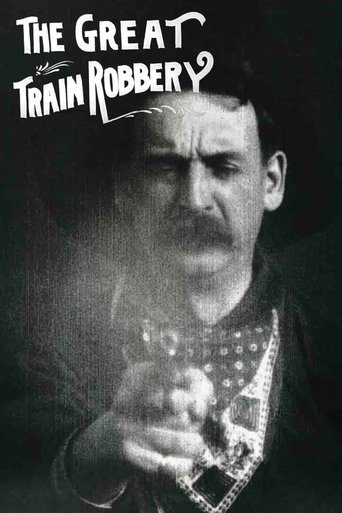
Follow the idea
The Great Train Robbery (1903)
A few years later, film was learning to tell a story with editing and action. It shows how the novelty era turned into narrative cinema.
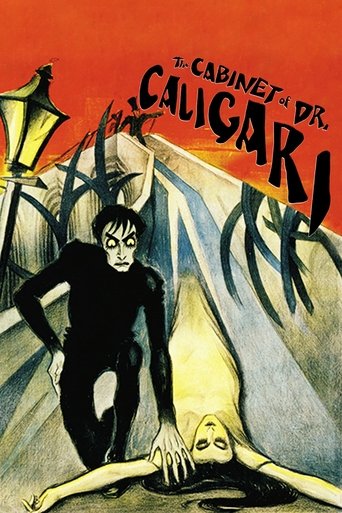
See its influence
The Cabinet of Dr. Caligari (1920)
Painted sets, a sinister magician figure and a deliberately artificial world carry Méliès's fantasy into the first major horror-art film.
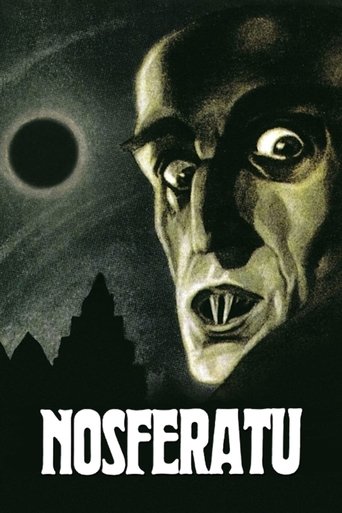
Jump forward
Nosferatu (1922)
A full-length silent horror film that turns early cinema's fascination with the supernatural into dread rather than play.
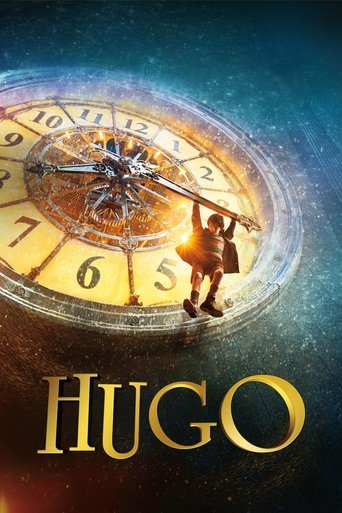
See its influence
Hugo (2011)
A modern tribute to Méliès that recreates his studio and tells the story of his career, which suits viewing after you have seen his work.

