Drama · Romance
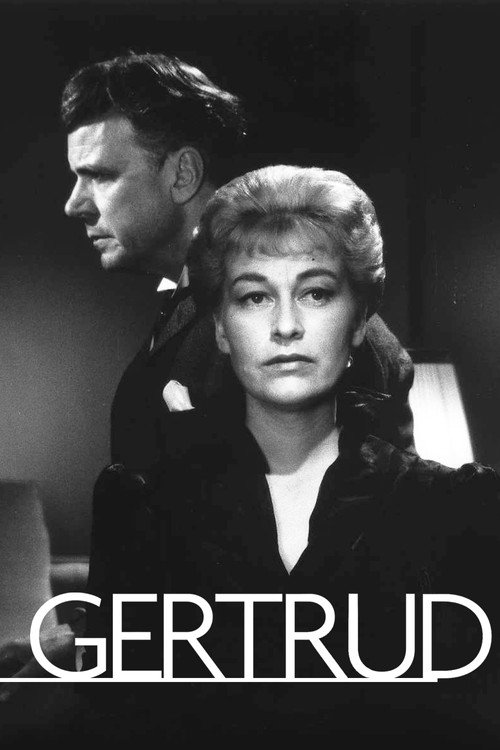
Gertrud
Danish
1964 · Directed by Carl Theodor Dreyer · 119 min


Drama · Romance
Danish
1964 · Directed by Carl Theodor Dreyer · 119 min




Meaning, unpacked
Central idea
The film can be read as a study of an absolute ideal of love set against the compromises that men, society and ordinary life offer. Dreyer treats Gertrud's uncompromising stance with sympathy and also with a clear sense of its cost.
What it means
Gertrud is a film in which almost nothing happens and almost everything is at stake. It follows a woman who wants a love that holds nothing back, while one man after another offers her something less. She will not settle, and the film follows what that costs her.
Each man brings a version of love: duty, ambition, performance, nostalgia. Each falls short, because for them love comes second, behind career, art and reputation. For her it comes first. These are poets, musicians and lawyers who speak beautifully about love, and the film quietly asks how far beautiful speech can be trusted as evidence of feeling. Dreyer is sympathetic to her, but never pretends her stance is free: her strength and her isolation are the same thing, and the film refuses to choose between tragedy and triumph.
Why it mattered
Gertrud is a late, austere landmark of European art cinema, made when cinema was speeding up around it. It is often cited as one of the purest examples of a director working against fashion. It was the last completed feature of Carl Theodor Dreyer, who made The Passion of Joan of Arc, Vampyr and Ordet, and it arrived nine years after Ordet.
What Dreyer did was show how little a film needs. Long unbroken takes, slow camera glides, sparse editing and little music let pauses, footsteps and the cadence of voices carry the feeling. He took Hjalmar Söderberg's 1906 play and treated its theatricality as a resource, not a limitation. And he asked his actors for slow, almost incantatory speech and averted gazes, putting voice and eyeline at the centre instead of conventional naturalism.
Before anyone tells you what to think: what did you make of it?
Log in to rate it and leave commentsIt takes one click with Google or an email link. You come straight back here.
Rate it, keep your notes, and find the next film.
Free, no ads. Your journal, your lists, a Cine Guide that remembers you.
Create your free spaceIn 1964 the reaction was divided and often harsh. Many critics and audiences found the film slow, stagey and out of step with the era, and it was not a commercial success. But younger European critics and filmmakers defended it as a work of rare rigour, and its reputation rose steadily in the decades that followed.
Today it is no longer seen as a stubborn coda to a great career, but as Dreyer's purest statement of method and a high point of formal minimalism. It became a touchstone for filmmakers who favour long takes, controlled staging and stylised speech, and its example runs through later European art cinema, including Lars von Trier's admiration for Dreyer. Gertrud herself has often been read as a proto-feminist figure, and perhaps the film's lesson is that slowness can be a form of intensity.
What happens
Gertrud refuses every compromise on offer from Gustav, Erland and Gabriel, and goes her own way. Years later, older and living alone, she receives a visit, still faithful to her belief that love is the only thing that matters.
The last image
Gertrud, older and alone, receives a quiet visitor, and the film leaves her at peace with the life her conviction has given her.
What it says
The epilogue judges Gertrud without melodrama. Her uncompromising ideal has become something settled and lived. The film refuses to call her story a tragedy or a triumph, because her strength and her isolation are the same thing.
Or follow an idea from this film

Continue the director
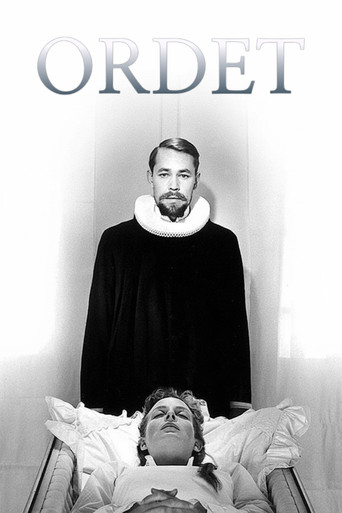
Ordet (1955)
Dreyer's previous feature is the closest companion, with the same patient long takes and spare design, applied to faith and family in rural Denmark.
Continue the director
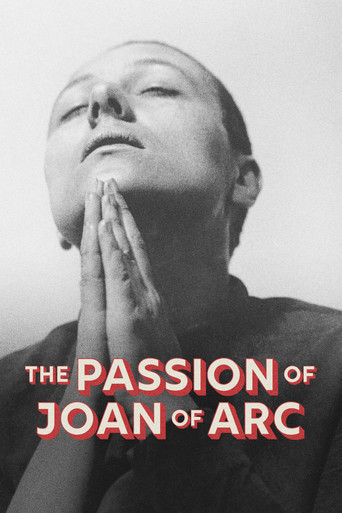
The Passion of Joan of Arc (1928)
Dreyer's silent masterpiece shows where his focus on the human face began, and makes Gertrud's stillness easier to read as a lifelong method.
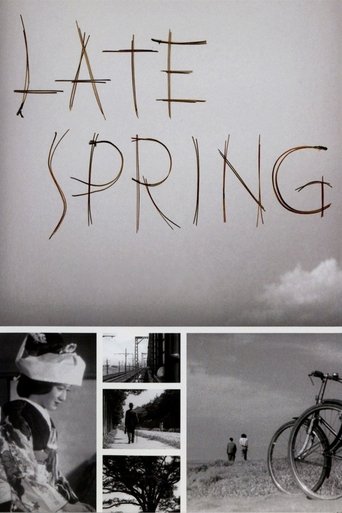
Compare another approach
Late Spring (1949)
Ozu's quiet domestic drama also builds deep emotion from restraint, stillness and carefully composed rooms, though with a very different tone.
Follow the idea
Hiroshima Mon Amour (1959)
Another film about love, memory and time that relies on conversation and formal control, here in the French New Wave tradition.
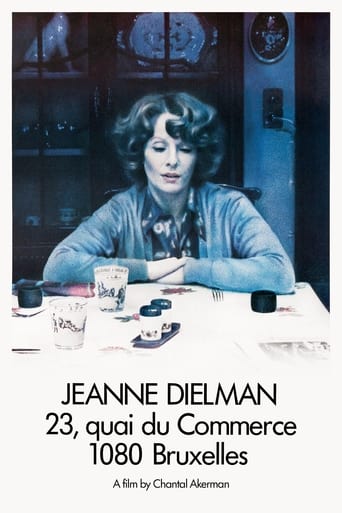
Jump forward
Jeanne Dielman, 23, quai du Commerce, 1080 Bruxelles (1975)
Akerman's rigorous study of one woman's life continues the tradition of long takes, fixed framing and slowness as a means to intimacy.