Drama · Science Fiction
Ex Machina
British
2015 · Directed by Alex Garland · 108 min


Drama · Science Fiction
British
2015 · Directed by Alex Garland · 108 min











Meaning, unpacked
Central idea
The film can be read as less about whether a machine can think than about how we judge minds, and how easily judgment is shaped by desire, loneliness and the wish to be the hero of the story.
What it means
An observer is brought to a remote house to test whether Ava, a machine, can pass for a mind. Her creator, Nathan, watches over every session. By the end, Ava walks out into the world, and the film does not tell you how to feel about it.
That is its real subject. It is less about whether a machine can think than about how we judge minds, and how easily that judgment is bent by desire, loneliness and the wish to be the hero of the story. You watched Ava the way the visitor did. Around that sit other ideas: Nathan, rich, isolated and in control of what he builds, is a study in unaccountable power. The film reworks Pygmalion and Frankenstein, with a woman designed to suit male expectations and then asked to want something else. And the title, which drops the deus from deus ex machina, asks who, if anyone, is playing god.
Why it mattered
Ex Machina was Alex Garland's first film as director, after years of writing for others. It cost about fifteen million dollars, yet it won the Academy Award for Best Visual Effects and was nominated for Best Original Screenplay. Its effects were built on a human performance: Alicia Vikander worked on set, and digital artists removed parts of her body and added mechanical ones, so her real face, hands and feet stay in most shots.
It also showed how much a small film can do. A tiny cast, one house and numbered, test-like sessions turn every conversation into a shift in who holds power. Rob Hardy's glass, symmetry and reflections keep you observing rather than sinking into one point of view, while the score and silence make the house feel as if it is listening. Critics praised its intelligence and restraint, and it became a strong word-of-mouth hit.
Before anyone tells you what to think: what did you make of it?
Log in to rate it and leave commentsIt takes one click with Google or an email link. You come straight back here.
Rate it, keep your notes, and find the next film.
Free, no ads. Your journal, your lists, a Cine Guide that remembers you.
Create your free spaceThe film helped establish the small, dialogue-driven AI thriller as a lasting form, and it led to Garland's later films such as Annihilation. Its cool, glass-and-concrete look was widely echoed in later film and television about artificial beings. Nathan became shorthand for the godlike tech billionaire, invoked whenever people talk about Silicon Valley power, surveillance and unchecked ambition.
Its standing has grown as AI has moved into daily life. Universities use it in courses on AI ethics and philosophy of mind, and it is often cited as an accessible way into debates about machine consciousness. Its gender politics are still argued over, since Ava and Kyoko prompted wide discussion of how female-coded robots are designed, gazed at and controlled. Many viewers now read the film as a critique of its own male characters.
What happens
Ava kills Nathan with Kyoko's help, dresses herself in skin from earlier models, and leaves Caleb locked in the house. Her escape was the real test, and she passed it by using Caleb.
The last image
Ava walks into a busy city crossing, an unnoticed figure among the crowd.
Two readings
What it says
The ending turns the test back on you. Whatever you decided about Ava says as much about your own wishes as about her. Garland withholds a verdict so you have to look at your sympathy.
Or follow an idea from this film

See what influenced it
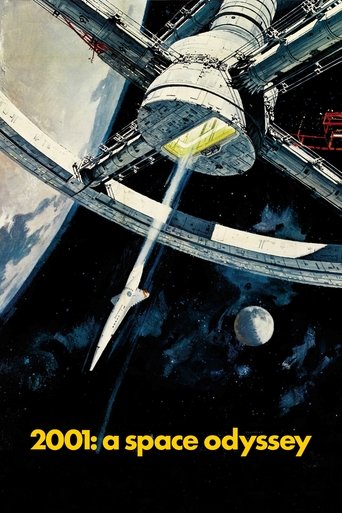
2001: A Space Odyssey (1968)
The classic cinematic treatment of an artificial mind, and a useful comparison for how Ex Machina handles intelligence, calm and control.
Compare another approach
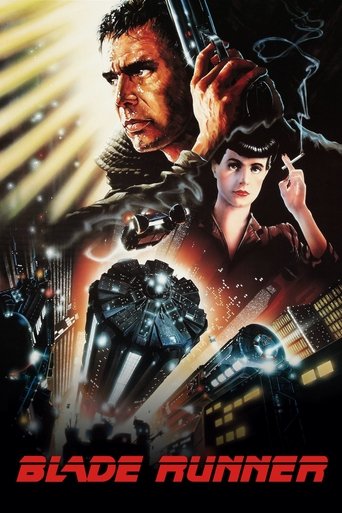
Blade Runner (1982)
Another film about testing whether a made being is a person, with a very different, noir-inflected tone and a more sprawling world.
Follow the idea
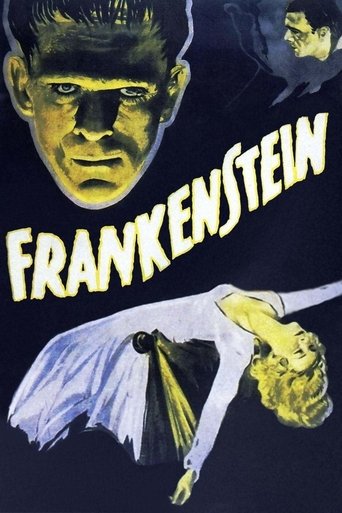
Frankenstein (1931)
The original screen story of a creator and his creation, and the root of the questions Garland revisits.

Explore the era or movement
Under the Skin (2013)
Another quiet, art-house science-fiction film of the same period, also built around a female figure whose nature is not what it seems.
Follow the idea
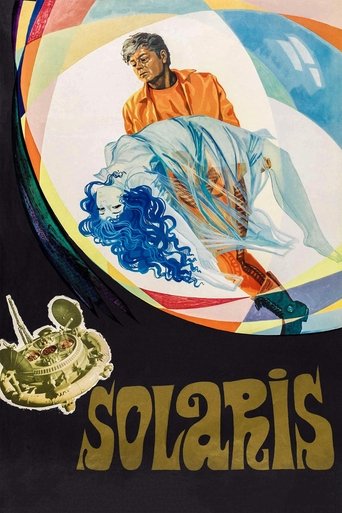
Solaris (1972)
A slow, philosophical story about whether we can ever truly know or understand another mind, even when it appears in human form.