Drama
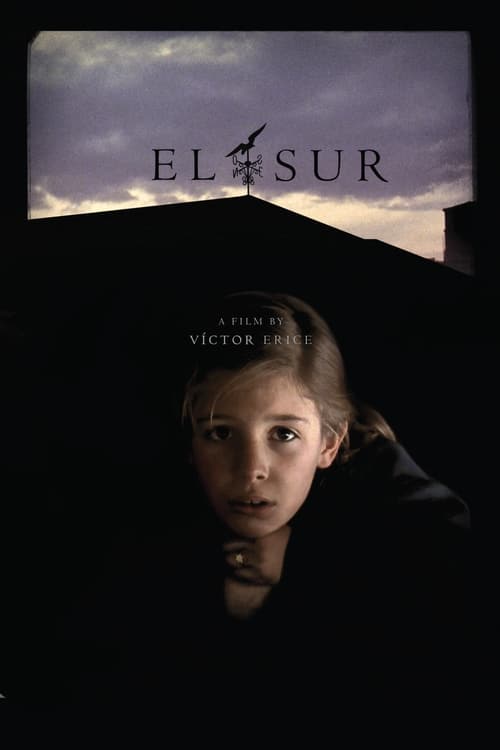
El Sur
Spanish
1983 · Directed by Víctor Erice · 94 min


Drama
Spanish
1983 · Directed by Víctor Erice · 94 min
Meaning, unpacked
Central idea
The film can be read as an inquiry into how a child builds a picture of a parent from fragments, and how a country's divided past enters a family without ever being spoken. The South stands for what is lost, unknown and desired.
What it means
El Sur is about how a child builds a parent out of fragments. A girl, Estrella, wakes in the dark and finds a pendulum on her pillow, and an adult voice remembers it. That opening sets the method for the whole film. Estrella watches her father, Agustín, follows a secret, and finally sits across from him in a café. The film is about how she watches.
Agustín is admired, feared and unreadable, and her love is tangled up with her need to decode him. Around them hangs the silence left by the Civil War, which divides the family but is never discussed. You feel it in estrangement and in rooms that are never entered. The South itself is a promise more than a place: origin, warmth, unresolved history, everything lost and desired. Because the narrator is an adult working from limited sight, the film also shows how much stays unknown, and how imagination fills the gaps.
Why it mattered
El Sur arrived in the early years of Spanish democracy, when public talk of the war was still guarded. Its unspoken family secrets became a common way of describing that national silence. It also marked a major return for Víctor Erice after a decade of silence of his own.
Its craft was quietly new. José Luis Alcaine often builds a scene from a single source of light, so faces and rooms emerge from shadow, like memory: soft, selective, incomplete. Erice cuts away from big events and lets time jump, so you meet consequences before causes, just as the child does. The voice-over adds distance and tenderness and never explains. It showed that a film could handle a national wound by suggestion rather than statement. Be careful with the idea that it is simply an allegory of the war. The war is there, but Erice tells the story through personal memory.
Before anyone tells you what to think: what did you make of it?
Log in to rate it and leave commentsIt takes one click with Google or an email link. You come straight back here.
Rate it, keep your notes, and find the next film.
Free, no ads. Your journal, your lists, a Cine Guide that remembers you.
Create your free spaceIts child's-eye view of unspoken history shaped later Spanish and Latin American films about the war and the dictatorship, and filmmakers such as Guillermo del Toro. Adelaida García Morales, who wrote the screenplay with Erice, published her novella El Sur in 1985, and the book is often read alongside the film. Icíar Bollaín, who plays the adolescent Estrella, later became one of Spain's best-known directors.
At the time, Spanish critics and festival audiences praised its quiet pace and poetic restraint, though it did not reach a wide commercial audience. Its reputation has only grown. It is now regarded as a high point of Spanish cinema, usually placed beside The Spirit of the Beehive, and it is a regular text in university courses. If you want to go next, watch The Spirit of the Beehive, then read García Morales.
What happens
Agustín is found dead, apparently by his own hand, after a brief reconciliation with Estrella. She is allowed to travel South, but the film stops as she prepares to leave. You never see her arrive.
The last image
Estrella, getting ready for the journey, with the South still ahead of her and unseen.
Two readings
What it says
The ending leaves the South as a promise, not a place. Estrella, like the narrator, gets only fragments of her father and her country's past, and the film suggests that is how we come to know anyone we love.
Or follow an idea from this film

Continue the director
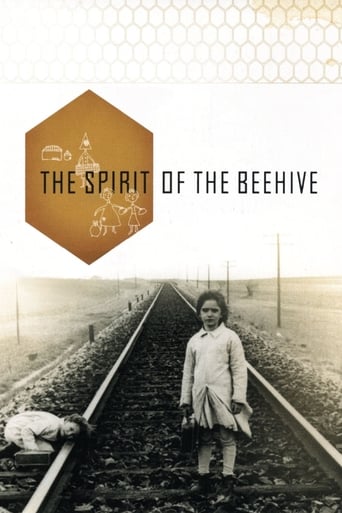
The Spirit of the Beehive (1973)
Erice's first feature and the natural companion piece. It explores a child, a silent household and a haunted Spain with the same patient style.
Compare another approach
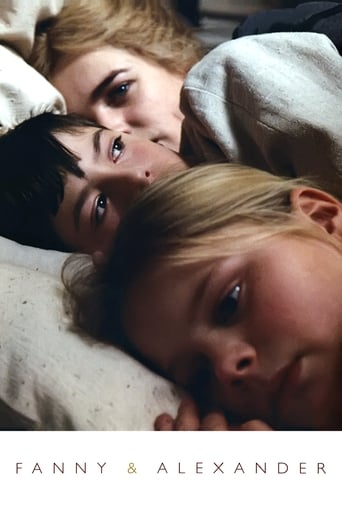
Fanny and Alexander (1982)
Another memory-soaked story of childhood, family secrets and a powerful father figure, made in a more theatrical, expansive style.

Follow the idea
The 400 Blows (1959)
A classic child's-eye view of a home that does not understand its child, and a useful contrast in tone and energy.
See its influence
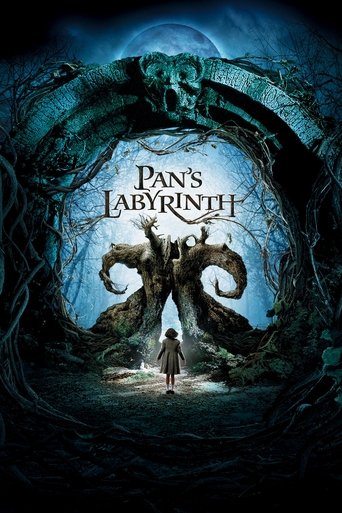
Pan's Labyrinth (2006)
Shows how Erice's child perspective on Spain's past was reimagined by a later generation, with fantasy added.
Explore the era or movement
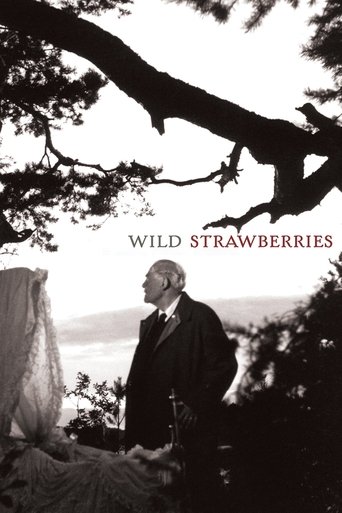
Wild Strawberries (1957)
An earlier European art film that uses memory and subjective recollection to explore fathers, regrets and what remains unsaid.