Mystery · Science Fiction
Dark City
Australian
1998 · Directed by Alex Proyas · 101 min


Mystery · Science Fiction
Australian
1998 · Directed by Alex Proyas · 101 min









Meaning, unpacked
Central idea
The film can be read as an inquiry into what makes a person who they are: memory, environment or something less easily manipulated. It argues that identity lies in choice and experience rather than in what we recall.
What it means
A man wakes with no memory, hunted by pale strangers in long black coats who freeze the city every midnight and rebuild it. Underneath the chase, Dark City asks a plain question: what makes a person who they are? Is it memory, surroundings, or something harder to tamper with? The film argues that identity lies in choice and experience, not in what we happen to recall.
The Strangers swap and mix memories like materials in a workshop. They study humanity because they lack something, and the film frames that something as the soul, tied to individuality and love and impossible to measure. There is also a longing for light. The city has no sun, and Shell Beach, a half-remembered place of sea and daylight, is a billboard that leads nowhere. It has become shorthand for false memory. The quiet claim is that you are more than the story you were handed.
Why it mattered
On release in early 1998, the film did poorly and did not recoup its cost in cinemas. Critics were divided: many praised its visual invention and atmosphere, others found the plot familiar and the characters thin. What it did well was carry film noir and German Expressionism into the digital age, helping steer science fiction toward stories about uncertain reality.
The look does much of the storytelling. Art Deco, noir alleys and Expressionist angles are mixed with different eras, so the city feels familiar and wrong at once. Dariusz Wolski lit it in cold greens and sodium yellows, so it always feels like night. Effects serve the ideas, blending digital work with miniatures and physical sets, which is why the city feels tangible.
Before anyone tells you what to think: what did you make of it?
Log in to rate it and leave commentsIt takes one click with Google or an email link. You come straight back here.
Rate it, keep your notes, and find the next film.
Free, no ads. Your journal, your lists, a Cine Guide that remembers you.
Create your free spaceThe film's gothic urban look and its premise of a manipulated world fed a wave of late-1990s and 2000s science fiction about unreliable reality. Its production design became a reference point for dark fantasy cities, and it is often discussed alongside The Matrix. The two share themes, but The Matrix drew on many other sources, and influence is hard to prove.
After its weak cinema run, it found its audience on home video and became a cult favourite. Roger Ebert, one of its strongest champions, recorded a DVD commentary that helped. The 2008 director's cut removed the opening narration that gave the twist away. Today it is cited as one of the most imaginative science-fiction films of its decade, and teachers use it to illustrate Plato's cave and Descartes' evil demon.
What happens
Murdoch destroys the Strangers' leader and takes control of their machine. He makes the sun rise and raises an ocean. The city was a floating experiment all along, and he turns it into a real home.
The last image
Murdoch and Anna walk along the newly built Shell Beach, a place once only a painted billboard, now real, with sea and daylight.
What it says
A person is not the sum of borrowed memories. Murdoch invents Shell Beach for real, so identity lies in choice. Anna's old life is gone, yet they begin again, and that gives the film its hopeful ending.
Or follow an idea from this film
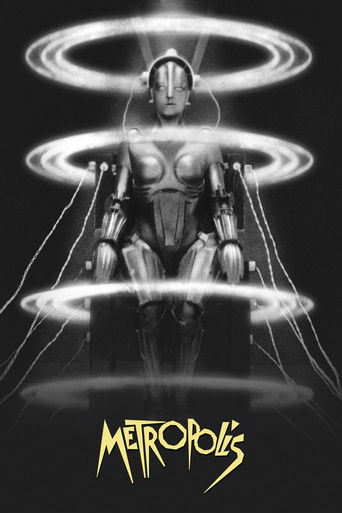

See what influenced it
Metropolis (1927)
Fritz Lang's towering city is the great ancestor of science-fiction urban design. Watch how architecture and machinery shape the story and the mood.
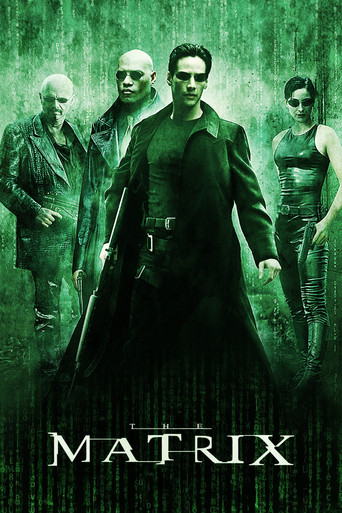
See its influence
The Matrix (1999)
Made in the same Sydney studio complex a year later, it explores similar ideas of a constructed world and a chosen hero, in a more action-driven form.
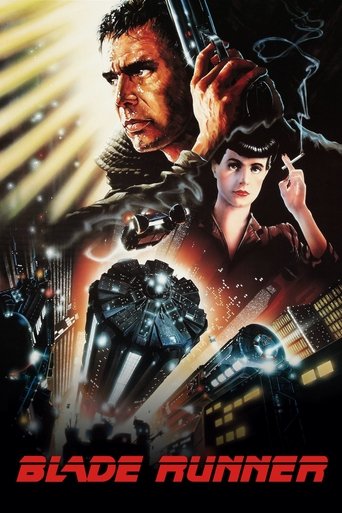
Compare another approach
Blade Runner (1982)
Another noir-inflected science-fiction city built from design, mood and memory. Compare how each film uses atmosphere to ask what makes someone human.
Follow the idea
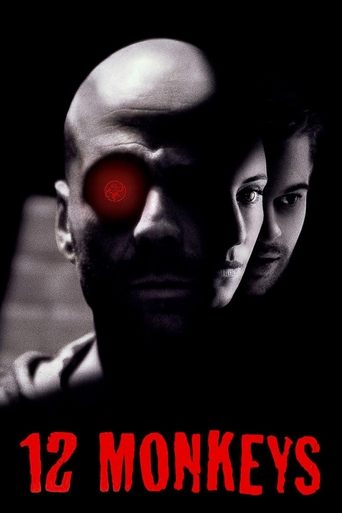
Twelve Monkeys (1995)
A puzzle-box science-fiction film in which memory and reality are unstable. It makes a good companion on perception and identity.
See what influenced it
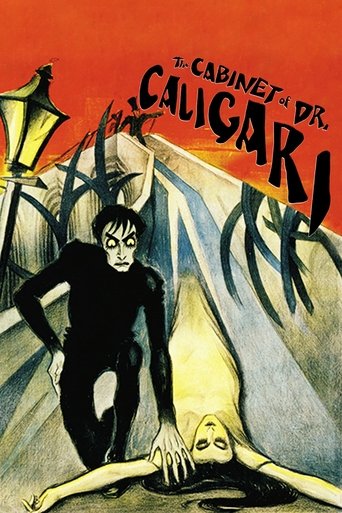
The Cabinet of Dr. Caligari (1920)
The root of Expressionist design in film. Its painted, distorted sets show where Dark City's stylised world originates.