Family · Animation · Music · Adventure
Coco
American
2017 · Directed by Lee Unkrich · 105 min


Family · Animation · Music · Adventure
American
2017 · Directed by Lee Unkrich · 105 min











Meaning, unpacked
Central idea
The film can be read as an argument that people live on through memory, and that a family's stories need to be true, not just repeated. It asks how much of the past we should obey and how much we should question.
What it means
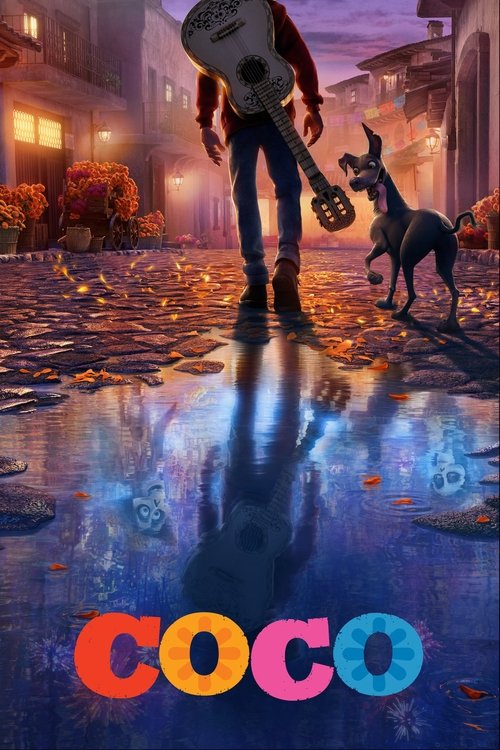
A boy who loves music belongs to a family that bans it. On Día de Muertos he slips into the Land of the Dead and has until sunrise to get home. Along the way he learns that the family story he was raised on was not the whole truth.
That is the heart of it. Coco argues that people live on through memory, and that a family's stories need to be true, not just repeated. In its afterlife, being forgotten is the real death, so every photograph and every story told at the table becomes something close to life support. The film also asks how much of the past we should obey. It sets fame against meaning: Ernesto de la Cruz stands for public adoration, Héctor for music made for someone you love, and the film prefers the second.
Why it mattered
Coco gave Pixar its most culturally specific film to that date. It drew on years of research, repeated trips to Mexico and cultural consultants, so the food, altars, crafts and home life feel specific rather than generic. It treats Día de Muertos as a living practice of welcome and remembrance, and its Land of the Dead is warm, social and colourful, not a spooky horror version of the afterlife.
It also showed how much design and music can carry a story. The Land of the Dead is stacked in tiers, lit in orange, magenta and teal, and linked by marigold bridges, so it feels huge yet you always know where you are. Skeleton characters had to act without skin or flesh, so animators relied on posture, jaw and eye-socket movement. The songs by Kristen Anderson-Lopez and Robert Lopez return in new emotional settings, so one melody means pride in one scene and tenderness in another.
Before anyone tells you what to think: what did you make of it?
Log in to rate it and leave commentsIt takes one click with Google or an email link. You come straight back here.
Rate it, keep your notes, and find the next film.
Free, no ads. Your journal, your lists, a Cine Guide that remembers you.
Create your free spaceAudiences and critics responded warmly. In Mexico it opened shortly before Día de Muertos in 2017 and became the country's highest-grossing film at that time. It won two Academy Awards, for Best Animated Feature and for Best Original Song, "Remember Me." For many viewers abroad it was a first look at ofrendas, marigold petals and alebrije spirit guides, and it became a common way to talk with children about death and ancestors.
It helped encourage studios to build big animated films around specific cultures, with research and consultation built into production. It is often cited in discussions of Latino representation in animation. Today it is regarded as one of Pixar's strongest originals of the 2010s, its songs remain popular, and its closing scene, where Miguel sings to Coco and a showpiece song becomes an act of memory, is often called one of the studio's most affecting.
What happens
Miguel returns home and sings "Remember Me" to his great-grandmother Coco, who has nearly lost her memory. She recalls her father, Héctor, and the family restores his photograph to the ofrenda. Music is welcomed back into the home.
The last image
The Riveras gather with music in their home, now openly shared, while Miguel plays for the family.
What it says
The ending says people survive only while someone remembers them, and that a family's story must be true to keep them alive. It lets music and family finally agree, because Héctor's song was always made for love.
Or follow an idea from this film

Continue the director
Toy Story (1995)
The film that began Pixar's feature work. Seeing it shows the early version of the studio's formula that Unkrich later developed in his own films.
Compare another approach
Spirited Away (2001)
A child enters a vivid spirit world and must learn its rules to get home. It makes a rewarding comparison of design, tone and how different cultures imagine the unseen.
See what influenced it
The Wizard of Oz (1939)
The classic template for a young traveller moving through a colourful fantasy realm with new companions, with songs that serve the story.
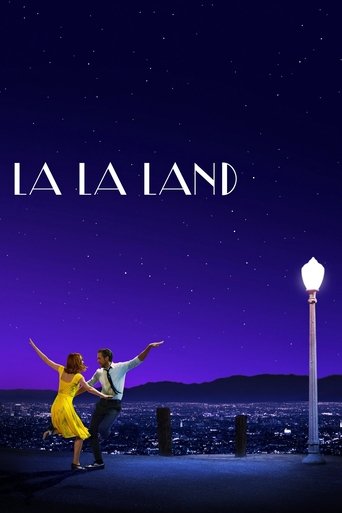
Follow the idea
La La Land (2016)
Another film about the pull of musical ambition and its personal cost, in a live-action musical register rather than family animation.
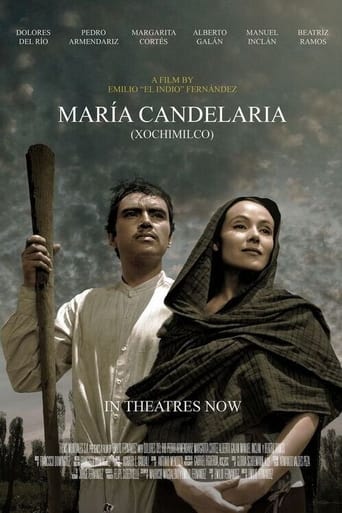
Explore the era or movement
Maria Candelaria (1944)
A classic of Mexican cinema's golden age, useful for seeing how the country's film tradition pictured its own people and landscapes.