Drama
Burnt by the Sun
Russian (Утомлённые солнцем)
1994 · Directed by Nikita Mikhalkov · 135 min


Drama
Russian (Утомлённые солнцем)
1994 · Directed by Nikita Mikhalkov · 135 min








Meaning, unpacked
Central idea
The film can be read as a study of how an entire world of privilege, loyalty and love is undone when private lives meet political power. Its warmth is the point: the idyll is real, and so is its destruction.
What it means
Burnt by the Sun gives you a lazy summer day in the country: a big family, music, games, a river. All of it is quietly running out of time. The film is about what happens to a whole world of privilege, loyalty and love when private lives meet political power. Its warmth is the point. The idyll is real, and so is its destruction.
Kotov, a hero of the Revolution, trusts his own status, and he trusts Stalin. That trust is his blindness. A man who helped make the system has no protection from it. Old loves, old debts and old allegiances become tools of the state, so personal and political treachery turn into one thing. Nadia, the child, trusts the adults around her, and that trust is both the emotional centre of the film and its sharpest irony.
Why it mattered
The film arrived just after the Soviet Union ended, when the Soviet film system had collapsed and French backers helped pay for it. It was among the first major Russian films to look back at the 1930s in a mainstream form that audiences around the world could see. It brought recent Russian history to them through the conventions of the European ensemble drama.
Its craft was part of the story. Mikhalkov moves his camera through crowded rooms and gardens in fluid takes, with relatives, servants and guests talking across one another, so the family feels like a society in miniature. Golden light and saturated greens make the summer lovely, and that beauty is what makes the change of tone cut so deeply. Dread builds across a single day and night, much like a stage play.
Before anyone tells you what to think: what did you make of it?
Log in to rate it and leave commentsIt takes one click with Google or an email link. You come straight back here.
Rate it, keep your notes, and find the next film.
Free, no ads. Your journal, your lists, a Cine Guide that remembers you.
Create your free spaceIt won the Grand Prix of the Jury at Cannes in 1994 and the Academy Award for Best Foreign Language Film, and it made Nikita Mikhalkov an international name. It helped shape how the Stalin era is dramatised through personal stories and period nostalgia, an approach that echoes in later European films about individuals caught in the machinery of dictatorship. The image of a giant portrait of Stalin floating over the countryside is often used as shorthand for the Terror breaking into sunlit private life. The film is still used in courses as a character-driven way into the Great Terror.
Reception was warm but not unanimous. Many admired the performances, craft and emotional power, while some critics found the nostalgia and theatrical manner overripe. In Russia it sparked debate about how the past should be remembered. Today it remains Mikhalkov's best-known film and a touchstone of 1990s Russian cinema. His later political alignment has complicated its reputation, and so have the sequels, Exodus and Citadel, which were widely seen as disappointments. The original is still admired for its direction, ensemble acting and mood.
What happens
Kotov is driven away and beaten, and the family's summer ends. Mitya, who was sent to arrest him, later takes his own life. A closing title reports the fates of the people we've come to love.
The last image
A closing title card, set against the film's lost summer, tells you what became of the family.
What it says
Kotov's loyalty to Stalin saves nobody, not even the man who helped build the system. By ending on loss, then fact, the film shows that the idyll was real, and that is why its destruction hurts.
Or follow an idea from this film
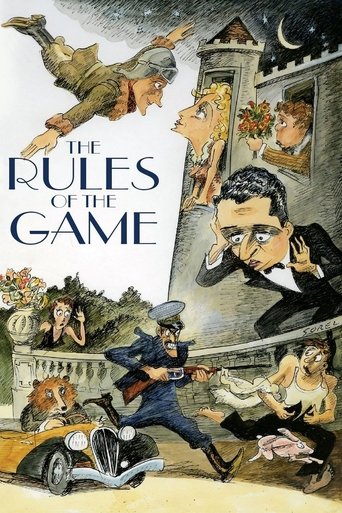

See what influenced it
The Rules of the Game (1939)
Renoir's country-house ensemble shows the model behind Mikhalkov's drifting camera and social web of relationships.
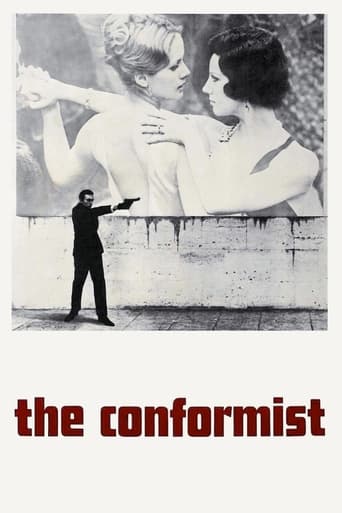
Follow the idea
The Conformist (1970)
Another study of how personal motives and political power intertwine under a dictatorship, told with great visual style.
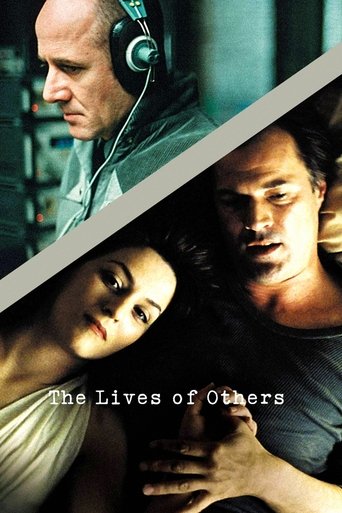
Jump forward
The Lives of Others (2006)
A later European film about intimate lives inside a state of surveillance, which shows what the tradition looked like a decade on.
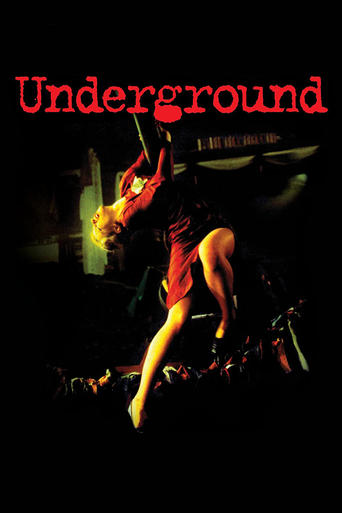
Explore the era or movement
Underground (1995)
Released just after this one, it offers a very different, wilder way of reckoning with twentieth-century history in Eastern Europe.
Compare another approach
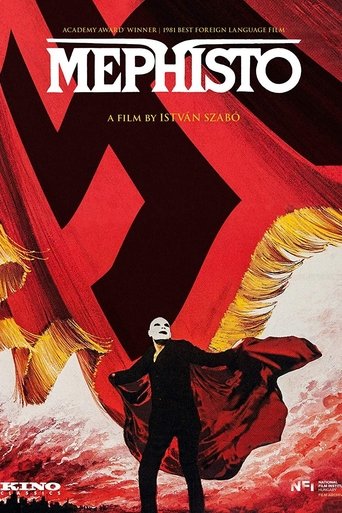
Mephisto (1981)
An artist's accommodation with power is the subject here, a useful contrast to Mikhalkov's view of loyalty and complicity.


