Drama · Fantasy
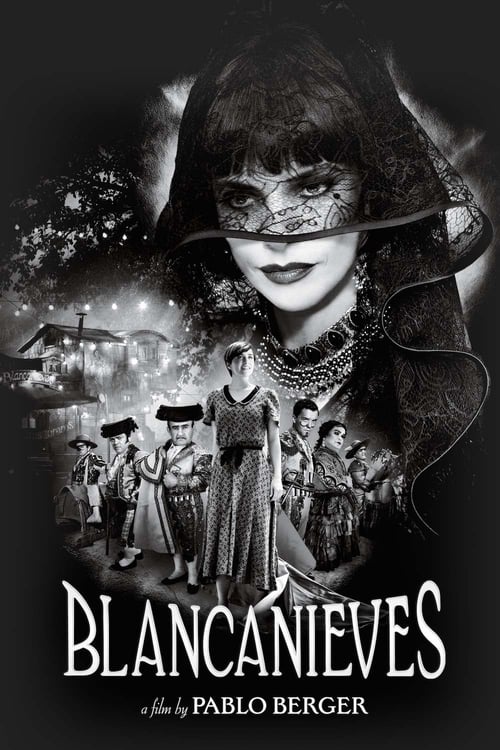
Blancanieves
Spanish
2012 · Directed by Pablo Berger · 104 min


Drama · Fantasy
Spanish
2012 · Directed by Pablo Berger · 104 min








Meaning, unpacked
Central idea
The film can be read as a story about inheritance: a girl takes in the trade, pride and cruelty of the adults around her and has to find her own identity within them. It also asks how a public spectacle can both honour and exploit a person.
What it means
Pablo Berger takes the Snow White story, moves it to 1920s Andalusia and strips out the words. Carmen is crushed by a cruel stepmother, then finds a new life among a troupe of bullfighting dwarfs. Her gift in the ring is what finally draws the poisoned apple.
At its heart, this is a story about inheritance. Carmen takes in the trade, the pride and even the cruelty of the adults around her, and has to find her own identity inside it. She inherits her father's skill and legacy, while her stepmother Encarna inherits the household and its power. The film also asks how a public spectacle can honour a person and exploit them at the same time. Watch who profits from being watched, and who pays. The last image, a glass coffin, a crowd and a single tear, leaves you to decide whether Carmen is only a spectacle or still a person looking back at us.
Why it mattered
In 2012, Berger shot a fully silent, black-and-white feature with intertitles and a continuous score. Though filmed digitally, it was designed from the start as silent. It stands among the few modern films to use the silent language as a living form, not a quotation.
With no dialogue, everything rests on cinema's oldest tools. Berger uses intertitles sparingly, and a single close-up or repeated visual image carries the feeling. Kiko de la Rica's deep shadows and window light make Seville feel both documentary-like and dreamlike. Vilallonga's score of flamenco guitar, pasodoble and orchestra works as a second narrator, much as live accompaniment did in the silent era. The film also shows how a familiar tale changes when its setting does: Grimm's forest, mirror and castle become the bullring, the sideshow and a stepmother's ambition.
Before anyone tells you what to think: what did you make of it?
Log in to rate it and leave commentsIt takes one click with Google or an email link. You come straight back here.
Rate it, keep your notes, and find the next film.
Free, no ads. Your journal, your lists, a Cine Guide that remembers you.
Create your free spaceCritics praised its visual invention, its score and Maribel Verdú's performance as the stepmother. After premiering at Toronto and San Sebastián in 2012, it won in many categories at Spain's Goya Awards, including Best Film. It won no Oscars and nothing at Cannes, and some viewers found its darkness and stylisation distancing.
Its standing has grown. It helped show that silent-style storytelling could still work for adults, and it strengthened the trend of fairy-tale retellings rooted in specific national cultures and darker moods. It is now seen as one of the most distinctive European films of its decade. People often pair it with The Artist, but it is valued more for its folkloric darkness and visual ambition. Teachers use it to discuss how fairy tales are adapted, especially in contrast with Disney.
What happens
Carmen, poisoned by Encarna's apple, lies in a death-like state. The troupe, short of money, shows her in a glass coffin as an attraction. A man kisses her and nothing happens, but Jesusín sees a tear run down her cheek.
The last image
Jesusín watches a single tear roll down Carmen's cheek as she lies motionless in the glass coffin.
Three readings
What it says
The film refuses the fairy tale's rescue. By ending on a crowd and a tear, it asks whether Carmen is only something to be watched, or still a person looking back at you.
Or follow an idea from this film
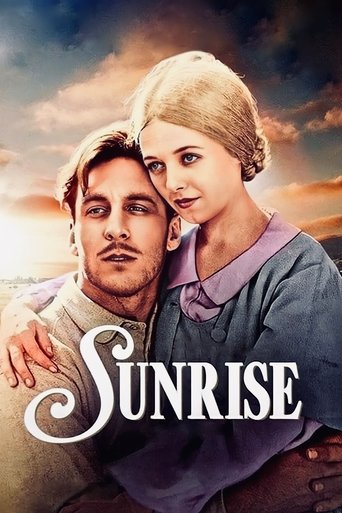

See what influenced it
Sunrise (1927)
A silent masterpiece where image, gesture and music carry a fable-like story, and a good place to see the style Blancanieves draws on.
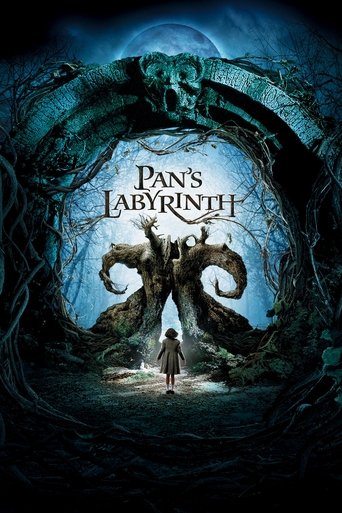
Follow the idea
Pan's Labyrinth (2006)
Another Spanish film that uses fairy-tale forms to explore cruelty and power, set in a very different historical moment.
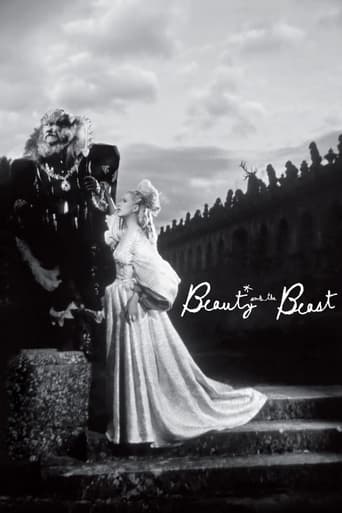
Compare another approach
Beauty and the Beast (1946)
Cocteau's fairy tale shows how black-and-white photography and stylised design can turn a familiar story into poetry.
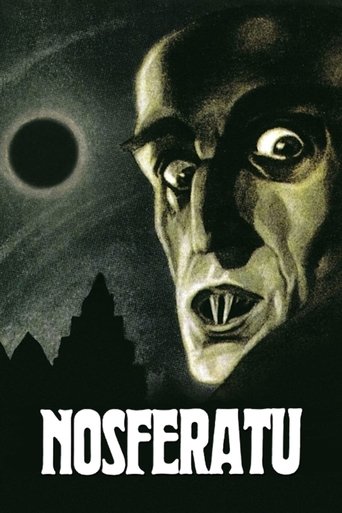
Explore the era or movement
Nosferatu (1922)
A silent gothic tale whose shadows and expressive acting help explain the visual language Berger revives.
Compare another approach
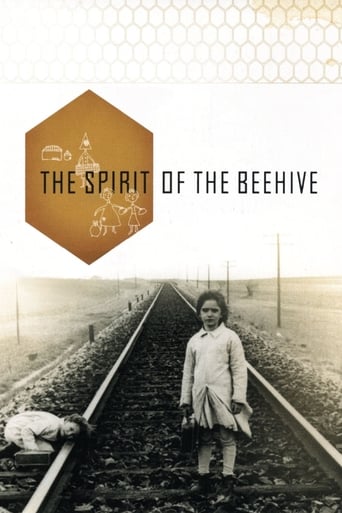
The Spirit of the Beehive (1973)
A Spanish film that uses a child's view and Frankenstein-like fantasy to explore a hidden national mood, using very different means.