Drama · Romance
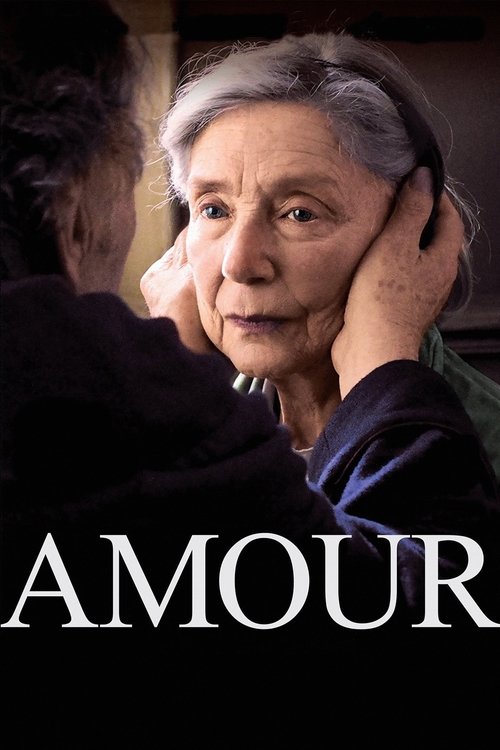
Amour
French
2012 · Directed by Michael Haneke · 127 min


Drama · Romance
French
2012 · Directed by Michael Haneke · 127 min









Meaning, unpacked
Central idea
The film can be read as an inquiry into what love requires when a shared life is reduced to its barest terms: care, dignity and presence. It refuses consolation, asking what we owe to those we love at the limit of their endurance.
What it means
Amour begins with its ending. Firefighters break into a Paris apartment and find an elderly woman, Anne, dead on her bed, surrounded by flowers. Then the film goes back. By showing you the end first, Michael Haneke removes the suspense. You are no longer asking what will happen. You are watching how, and why.
At its heart is a question: what does love require when a shared life is reduced to care, dignity and presence? Georges and Anne, retired music teachers in their eighties, face her decline after a stroke and a failed operation. Love becomes daily labour: feeding, lifting, washing, waiting. Anne insists on how she wishes to live and be seen, and the film asks who decides what a dignified life is, and who must live with that choice. It also shows how alone a carer can be, even in a cultured, comfortable home. When Georges smothers Anne with a pillow, believing he honours her wishes, the film gives you no verdict.
Why it mattered
Amour won the Palme d'Or at Cannes in 2012, then the Oscar for Best Foreign Language Film. It was also nominated for Best Picture, Director, Original Screenplay and Best Actress. It showed that a demanding art-house drama could reach a broad audience, and become one of Haneke's most commercially successful films.
Its method was a lesson in restraint. Almost the whole film was shot in a replica of a Parisian apartment built on a studio set, so Haneke could plan every camera position. The shots are static, wide and patient, and the camera often stays in a room after a character has left, so absence becomes visible. There is no added score: Schubert and Beethoven are heard only when someone plays or listens. The emotion lives in silence, running water, breathing and the sound of a wheelchair.
Before anyone tells you what to think: what did you make of it?
Log in to rate it and leave commentsIt takes one click with Google or an email link. You come straight back here.
Rate it, keep your notes, and find the next film.
Free, no ads. Your journal, your lists, a Cine Guide that remembers you.
Create your free spaceAmour helped establish a strand of recent cinema that treats old age, dementia and caregiving with clinical honesty rather than sentiment. It proved that an austere method can create real emotional force without music or melodrama.
Its life beyond cinema is just as striking. Because it won't hand down an easy moral judgement on Georges's final act, it is cited in public conversations about ageing, dementia, caregiving and assisted dying, and used in medical-humanities teaching. Emmanuelle Riva, nominated at 85, was then the oldest Best Actress nominee, and Jean-Louis Trintignant's return to the screen was widely noted. Today it is generally seen as Haneke's most humane work, and its reputation has held.
What happens
Georges smothers Anne, who is paralysed and barely able to speak, then lays flowers around her and seals the bedroom door. Eva later returns to the empty apartment and sits alone. This is the scene the film opened with.
The last image
Eva sits alone in the main room of the apartment, with no one else left in the rooms.
Three readings
What it says
Haneke gives no verdict because the film asks what love owes a person at the limit of endurance, not whether Georges was right. It ends on the empty space and Eva's absence, leaving the judgment with you.
Or follow an idea from this film
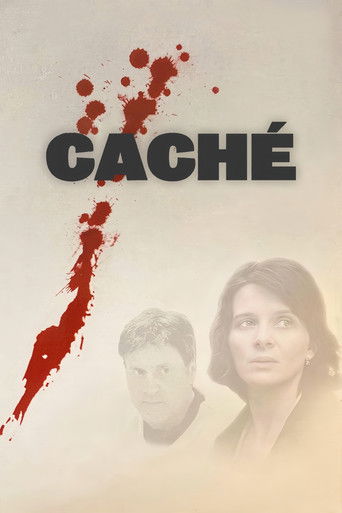

Continue the director
Caché (2005)
Haneke's thriller about a bourgeois Parisian couple under surveillance shows the same formal control and unease in a more provocative register.
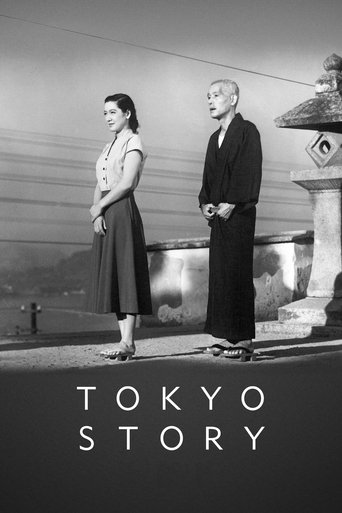
See what influenced it
Tokyo Story (1953)
Ozu's portrait of ageing parents is a gentler, quieter ancestor and shows a very different way to treat family, time and loss.
Compare another approach
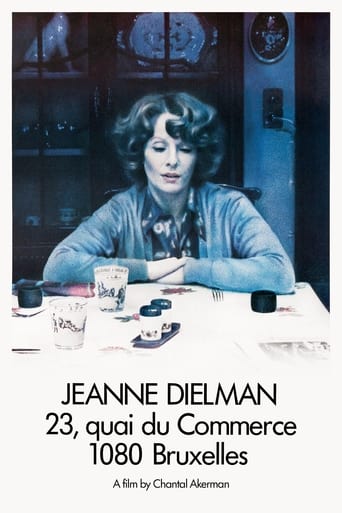
Jeanne Dielman, 23, quai du Commerce, 1080 Bruxelles (1975)
Akerman also uses fixed framing, real-time duration and a single domestic space to make routine the subject, with very different politics.
Follow the idea
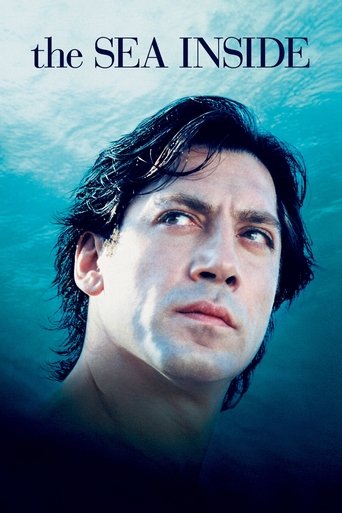
The Sea Inside (2004)
Another film about dignity and the right to choose at the end of life, built in a more conventionally emotional register.
Explore the era or movement
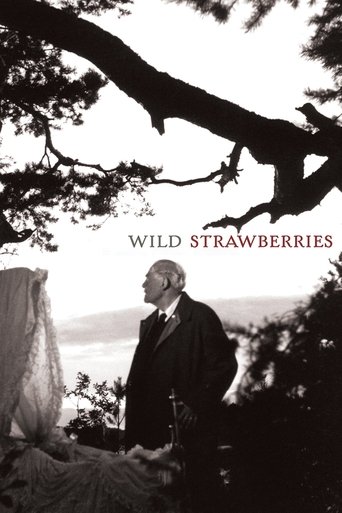
Wild Strawberries (1957)
Bergman's film about an old man reviewing his life offers a contrasting, more dreamlike reflection on ageing and memory.