History · Adventure · Drama
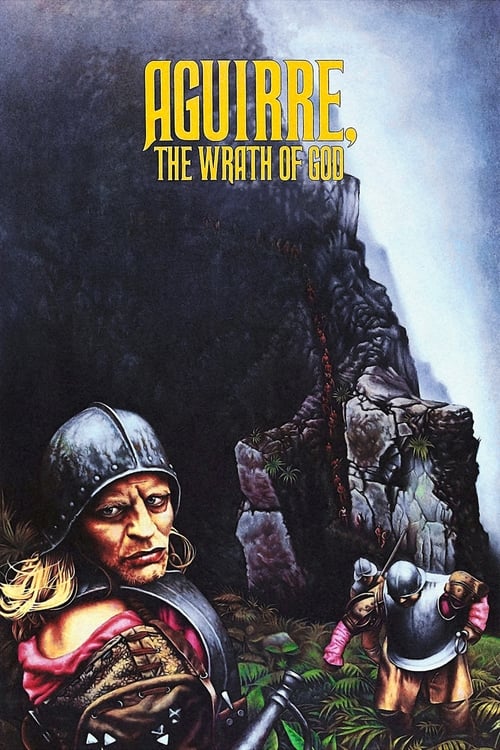
Aguirre, the Wrath of God
German (Aguirre, der Zorn Gottes)
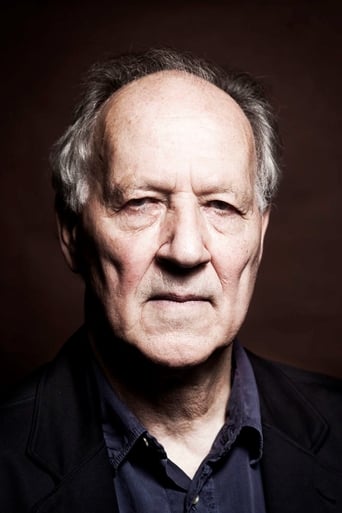
1972 · Directed by Werner Herzog · 95 min


History · Adventure · Drama
German (Aguirre, der Zorn Gottes)
1972 · Directed by Werner Herzog · 95 min





Meaning, unpacked
Central idea
The film can be read as a study of how ambition feeds on itself. As the expedition shrinks and the world around it grows hostile, Aguirre's fantasy of power becomes the only thing he can see. It turns conquest into delusion.
What it means
Aguirre, the Wrath of God opens on a column of soldiers, nobles, priests, women and enslaved porters winding down a mountain through the clouds, tiny against the Andes. That image tells you what the film is about: human ambition is small and fragile, walking into something far bigger than itself. In 1560 the Spaniards are hunting for El Dorado, and when the river takes over, Lope de Aguirre seizes command, deposes the commander, and crowns a nobleman emperor on a raft in the middle of nowhere.
That crowning is the heart of it. The ceremony is empty and absurd, yet the men follow it as if it were real. Authority here is made of titles, declarations and ritual, and the film shows how thin that is. The central idea is that ambition feeds on itself. As the expedition shrinks and the world grows more hostile, Aguirre's fantasy of power becomes the only thing he can see, and conquest turns into delusion. The river and forest are not villains. They simply go on, which makes the men's schemes look ridiculous. Religion doesn't restrain the violence either; it serves the conquest.
Why it mattered
Herzog and a small crew shot in the Peruvian Andes and on Amazon tributaries with little comfort and limited equipment. Rafts, rain and rough terrain were real problems, and the discomfort you feel on screen comes from that. It shows how far a low-budget, location-driven approach can push a historical epic: no grand battles, no studio spectacle, just real rafts on real rivers.
Before anyone tells you what to think: what did you make of it?
Log in to rate it and leave commentsIt takes one click with Google or an email link. You come straight back here.
Rate it, keep your notes, and find the next film.
Free, no ads. Your journal, your lists, a Cine Guide that remembers you.
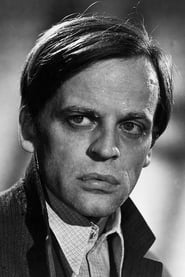
Create your free spaceThomas Mauch's camera moves with the rafts, mixing wide landscape with tight, uneasy close-ups. Popol Vuh's choir-like organ score lifts it all into a kind of trance. Klaus Kinski plays Aguirre with a twisted posture, a fixed stare and a quiet voice, while the rest of the cast plays more neutrally, so he stands out. The film made Herzog internationally famous, began his collaboration with Kinski, and became a cornerstone of the New German Cinema.
The film played in West Germany in 1972 and found its larger audience abroad in the following years. Critics were struck by its visual power and by Kinski. It was an arthouse success, not a mass hit, but it established Herzog as a major international director. It shaped the jungle-madness film, from Herzog's own Fitzcarraldo to later river-journey stories about obsession and colonial hubris, and it inspired filmmakers who wanted historical films to feel immediate rather than staged.
Today it is generally seen as Herzog's defining work and one of the great films of the New German Cinema, and its reputation has grown over time. It is regularly screened in film courses and works as a template for stories about obsessed men in hostile landscapes. Its final image, a man proclaiming an empire to monkeys, is often used as shorthand for imperial hubris.
What happens
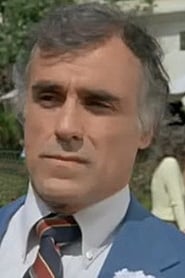
Everyone has died, including Aguirre's daughter Flores. He is alone on a drifting raft, overrun by monkeys, still announcing that he will found a dynasty and rule the continent. Nobody is left to hear him.
The last image
Aguirre's raft drifts down the river, covered in monkeys, with no one left to rule.
What it says
Aguirre's ambition has outlived everything it was meant to serve. The film ends here because conquest has become pure delusion: a man's empire exists only in his head, while the river keeps moving, indifferent to it.
Or follow an idea from this film

Continue the director
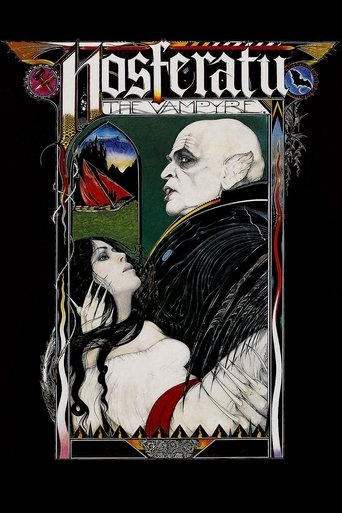
Nosferatu the Vampyre (1979)
Herzog and Kinski reunite in a slow, mournful remake of Murnau's film. It shows the director's visual style applied to Gothic horror.
Follow the idea
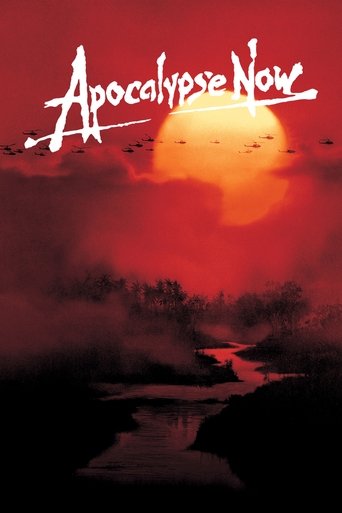
Apocalypse Now (1979)
A journey upriver into obsession and moral collapse. Compare how Coppola uses spectacle where Herzog uses stillness and real landscape.
See what influenced it
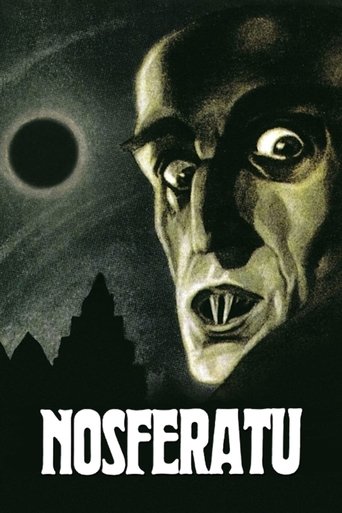
Nosferatu (1922)
Silent German cinema's poetic, landscape-heavy approach to dread is part of the tradition Herzog consciously inherits.
Compare another approach
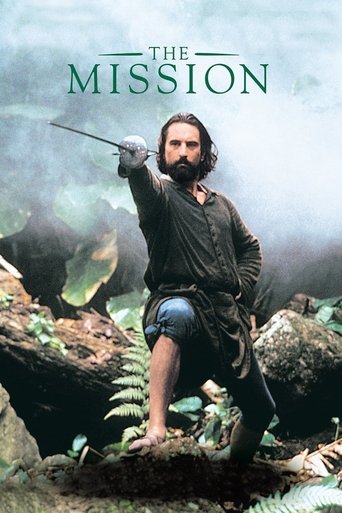
The Mission (1986)
Another colonial-era drama set in the South American jungle. Where Aguirre is delirious, this film is more earnest and moral.
Jump forward
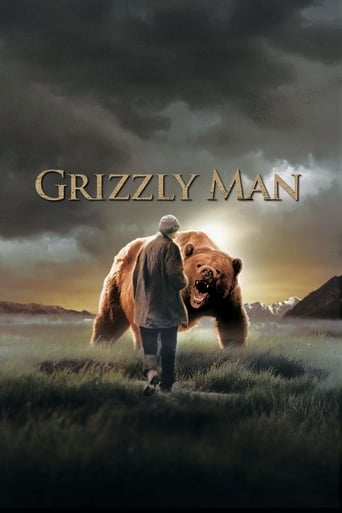
Grizzly Man (2005)
Herzog's documentary about a man who goes into the wild and meets indifferent nature. The same themes appear in a different form.