Romance · Drama · Mystery
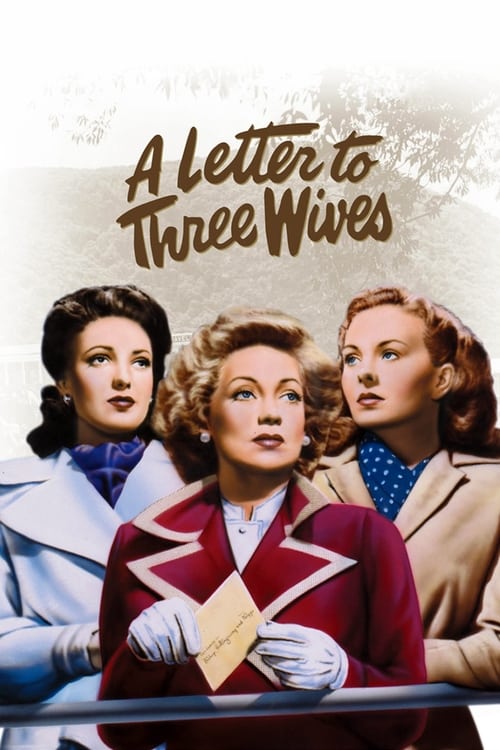
A Letter to Three Wives
American
1949 · Directed by Joseph L. Mankiewicz · 103 min


Romance · Drama · Mystery
American
1949 · Directed by Joseph L. Mankiewicz · 103 min





Meaning, unpacked
Central idea
The film can be read as a study of insecurity in marriage: the letter matters less for what Addie did than for what it makes each wife admit about her own doubts, her class position and what she thinks she is worth.
What it means
Three women board a boat for a day trip. Then a letter arrives from Addie Ross, a woman they all know: she has run off with one of their husbands, and she doesn't say which. That's all the plot you need, because the film is really about insecurity. The letter matters less for what Addie did than for what it makes each wife admit. Each one measures her marriage against an imagined rival, and against her own weakest point: her doubts, her class, what she thinks she is worth.
The letter arrives at the dock, just as the boat leaves, so the wives can't confront their husbands. They can only wait, and remember. Money and status run under every flashback, most frankly in Lora Mae's courtship of Porter, a marriage that began as a strategy and may or may not become something else. Addie is heard, never seen, so every wife and every viewer fills in the face. And maybe that's the film's quiet joke: the letter never needed to be true to do its damage. It only needed to find the doubt that was already there.
Why it mattered
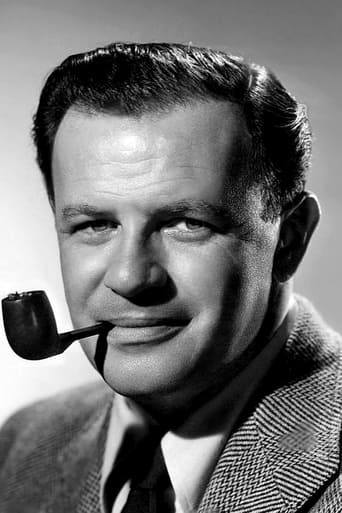
Joseph L. Mankiewicz adapted John Klempner's novel A Letter to Five Wives, cutting five wives to three and sharpening the story into polished, ironic dialogue. The screenplay won an Oscar. The structure was a frame plus three flashbacks, each built to feel like its own short story, with a different tone and class setting but one question held open. It joined the flashback form to a domestic, women-centred story about marriage and class in postwar America.
Before anyone tells you what to think: what did you make of it?
Log in to rate it and leave commentsIt takes one click with Google or an email link. You come straight back here.
Rate it, keep your notes, and find the next film.
Free, no ads. Your journal, your lists, a Cine Guide that remembers you.
Create your free spaceIt was also a bold use of absence. Addie's narration, spoken by Celeste Holm, gives her a storyteller's authority and a rumour's menace without ever attaching her to a body. On release the film was a popular and critical success, praised for its script and ensemble acting. It won Mankiewicz both Best Director and Best Adapted Screenplay, and was nominated for Best Picture. He had been a producer and screenwriter before directing, and these wins established him as a major director.
Its pattern of linked flashbacks around one unseen figure and a withheld answer became a model for later ensemble dramas and mysteries about suburban marriage. Addie Ross is still cited as a classic example of the absent figure who unsettles a marriage. The film confirmed Mankiewicz's literate, dialogue-centred style, and the next year he won both Oscars again with All About Eve. The story was remade for American television in 1985, and courses on postwar social comedy still use the film as a period document of anxieties about class, ambition and working wives.
Today it is often seen as the lighter companion to All About Eve. Its handling of class and marriage keeps it lively. Its domestic values look dated, though, and some resolutions feel tidier than the tension deserves. If you want to go next, watch All About Eve: the same literate, dialogue-driven voice, in a sharper mood.
What happens
Back from the picnic, each wife must face her own marriage before learning whose husband Addie meant. The reveal arrives after the three flashbacks, and by then each woman has seen what her doubts were worth.
The last image
Addie's voice, never her face, has the final say, because she is never seen.
What it says
The film ends this way because the mystery was never the point. The letter only worked by finding doubts the wives already carried, so who left matters less than what each woman learned about herself and her marriage.
Or follow an idea from this film
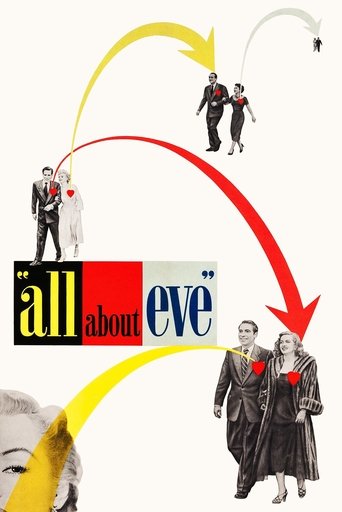

Continue the director
All About Eve (1950)
Mankiewicz's next film, with flashbacks and narration again and even sharper dialogue. It is the best way to see where his style went.
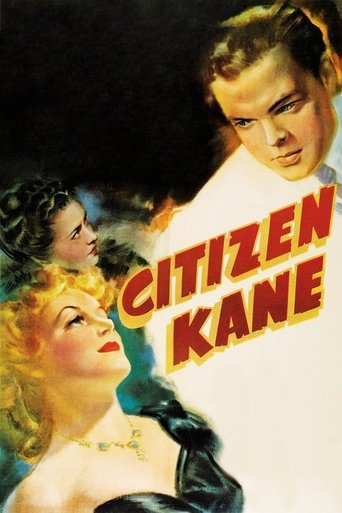
Compare another approach
Citizen Kane (1941)
Compare how a mystery is told through several accounts of one absent figure, there in a grand biography and here in three marriages.
Follow the idea
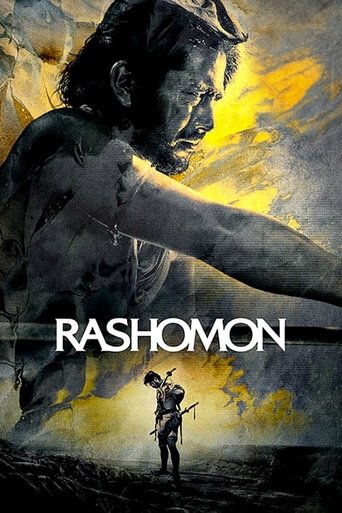
Rashomon (1950)
A very different film built on the same question: how personal memory colours the story each person tells.
Explore the era or movement
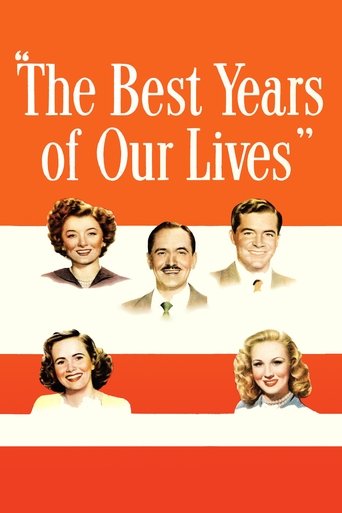
The Best Years of Our Lives (1946)
Another postwar American ensemble drama about marriage and status, with a more serious tone.
See what influenced it
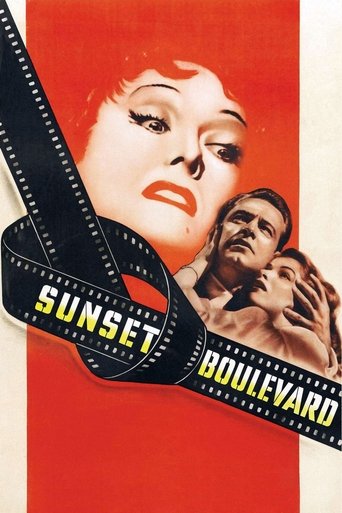
Sunset Boulevard (1950)
Another sharp Hollywood film from the same moment that uses a distinctive narrator, with a very different mood.