Science Fiction · Crime
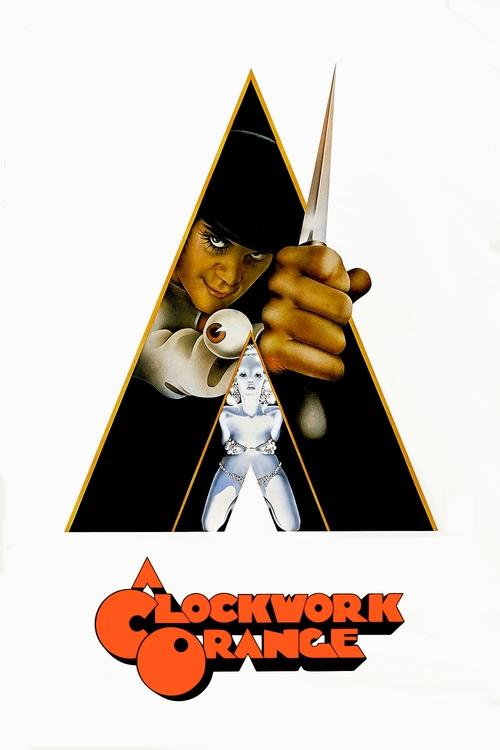
A Clockwork Orange
British
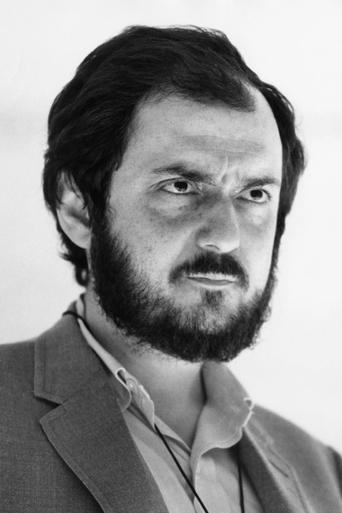
1971 · Directed by Stanley Kubrick · 137 min


Science Fiction · Crime
British
1971 · Directed by Stanley Kubrick · 137 min
Meaning, unpacked
Central idea
The film explores whether a person stripped of the ability to choose evil is still morally human. It can be read as a double satire: of a violent youth culture and of a state that answers it with conditioning.
What it means
Alex is a teenage thug who loves violence and Beethoven. He is caught, conditioned by the state, and released into a world full of people he hurt. The film asks a hard question: if a person can no longer choose evil, are they still morally human?
The treatment makes Alex incapable of violence, but it does not make him good. Goodness, the film suggests, only counts when it is chosen. It is a double satire, mocking a violent youth culture and a state that answers it with conditioning. Neither side cares about Alex as a person; both use him. And his love of Beethoven reminds you that culture does not automatically make people better.
Why it mattered
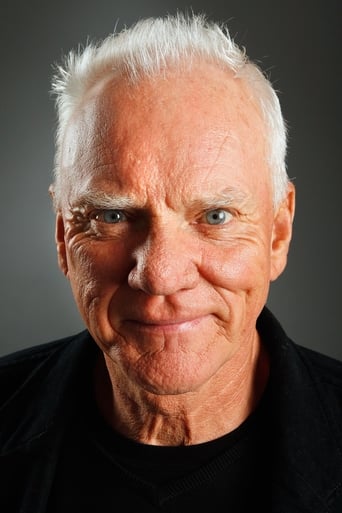
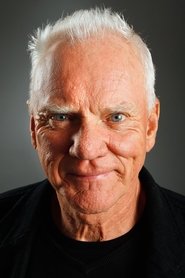
The film makes cruelty fluent, funny and stylish. Malcolm McDowell plays Alex with a wicked glee, charming enough to implicate you. A cheerful song plays over an atrocity, and that mismatch is the method. You laugh, and then you have to ask why.
The look and sound did a lot of the work. Wide-angle lenses, handheld camera and slow zooms make scenes feel both intimate and detached. Sped-up and slowed-down footage turns violence into a mechanical, comic rhythm. Wendy Carlos's synthesised Beethoven and Purcell were a landmark in bringing electronic music to the cinema. Reviews were sharply divided, but it was a commercial success and earned four Oscar nominations.
Before anyone tells you what to think: what did you make of it?
Log in to rate it and leave commentsIt takes one click with Google or an email link. You come straight back here.
Rate it, keep your notes, and find the next film.
Free, no ads. Your journal, your lists, a Cine Guide that remembers you.
Create your free spaceIts imagery, from the bowler hats to the white costumes, became shorthand for stylised youth violence. Words like "droog" and "ultraviolence" escaped the story, and David Bowie used Carlos's Beethoven as an entrance in his early seventies concerts. Its ironic, upbeat music over cruelty shaped filmmakers such as Martin Scorsese and Quentin Tarantino. It is also taught in courses on ethics, criminology and media.
Today it is widely seen as one of Kubrick's essential films. Debate continues over its coolness and its handling of sexual violence, and many viewers still find it hard to watch. The ending stays open: has Alex been cured, restored, or made useful to power? Read Burgess's novel, with its missing last chapter, and ask which Alex you believe.
What happens
In hospital, the government reverses the treatment and courts Alex as an ally. Fed and flattered by a minister, he imagines his old violent appetites returning, and declares himself cured.
The last line
"I was cured all right."
Three readings
What it says
The film suggests goodness only counts when it is chosen, so choice has to come back even if evil comes with it. It ends bleakly because neither Alex nor the state has really changed.
Or follow an idea from this film


Continue the director
Barry Lyndon (1975)
Kubrick's next film turns from garish near-future to meticulous eighteenth-century painting, another study of a charming outsider narrated at a distance.
Compare another approach
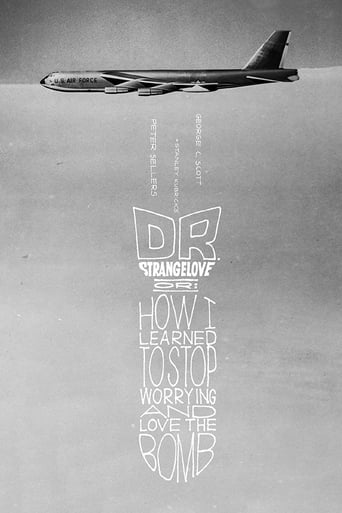
Dr. Strangelove (1964)
Kubrick's earlier satire shows the same cold, comic treatment of institutions and violence, in a different setting.
Follow the idea
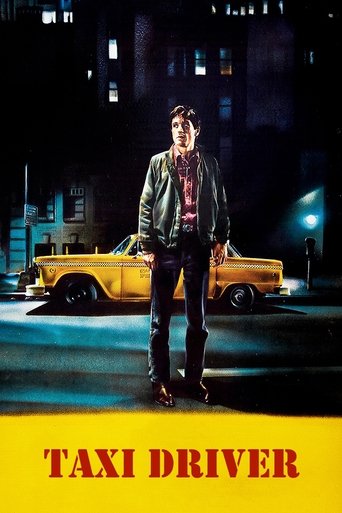
Taxi Driver (1976)
Scorsese's portrait of a disturbed, charismatic narrator continues the question of whether we should sympathise with violent men.
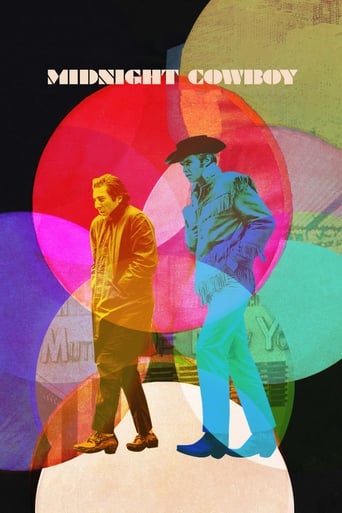
Explore the era or movement
Midnight Cowboy (1969)
A transgressive, X-rated hit from the same period of New Hollywood freedom, with a very different sensibility.

Compare another approach
if.... (1969)
A British film of just before, in which youthful rebellion against institutions turns violent and surreal.