Drama
Yi Yi
Taiwanese (一一)
2000 · Directed by Edward Yang · 174 min


Drama
Taiwanese (一一)
2000 · Directed by Edward Yang · 174 min




Meaning, unpacked
Central idea
The film can be read as an inquiry into how limited each person's view is, and how art, memory and attention might partly make up for it. Its family drama becomes a meditation on what it means to live, and to see, honestly.
What it means
Yi Yi gathers a wedding, a death, a betrayal, a romance and a business crisis inside one Taipei family. A father, a grandmother, a teenager and a small boy each live through their own troubles, and nobody sees the whole picture. That is the point. The film asks how limited each person's view is, and how art, memory and attention might partly make up for it.
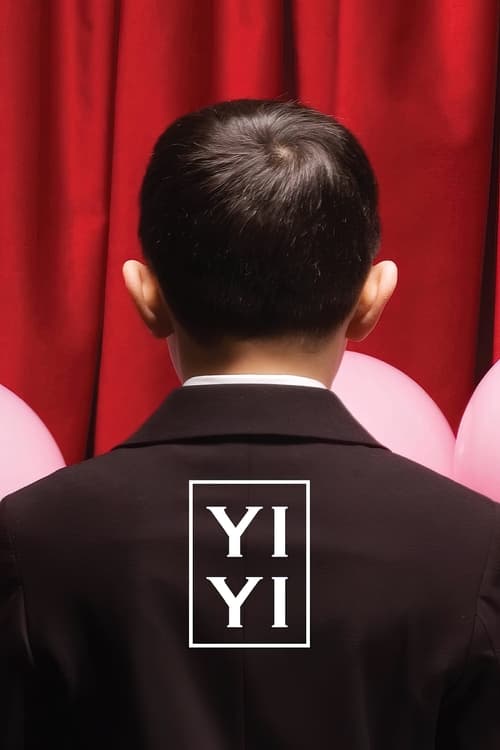
The key image is Yang-Yang photographing the backs of people's heads, because, he says, they can't see them themselves. It is a child's project, and it is the film's whole philosophy: attention is a form of love and knowledge. You show someone what they cannot see. Around it, the film lets birth, youth, middle age and death overlap in one household. The adults look back at roads not taken while the young repeat early versions of the same hopes and mistakes. When NJ meets his old love in Tokyo, the film asks whether you could relive the past with better understanding.
Why it mattered
Yi Yi was a late peak of Taiwanese New Cinema. Edward Yang was already a leading figure of that movement, and this was his final completed feature, made with Japanese financing. It won him Best Director at Cannes in 2000 and a nomination for the Palme d'Or, and gave him his widest international audience.
What felt fresh was the method. Yang films in long takes from a modest distance, avoids pushing your feelings with close-ups, and leaves you to look for yourself. That matches the theme of partial vision. He uses reflections, windows and layered depth so people appear within the city, not apart from it. The structure feels loose like life yet shaped like a score, with meaning coming from echoes between characters. It showed a city drama could be an intimate family portrait and a wide reflection on modern life, without melodrama.
Before anyone tells you what to think: what did you make of it?
Log in to rate it and leave commentsIt takes one click with Google or an email link. You come straight back here.
Rate it, keep your notes, and find the next film.
Free, no ads. Your journal, your lists, a Cine Guide that remembers you.
Create your free spaceThe film became a reference point for family dramas that treat everyday life with attention and empathy. It helped bring renewed international attention to Taiwanese cinema and to Yang's earlier films, which is a natural place to go next. It is often described as a defining portrait of Taipei at the turn of the millennium, and Yang-Yang's back-of-the-head photographs are often quoted as an emblem of how little anyone sees of their own life.
Its length and quiet manner kept it from mass audiences, and most people met it through art-house screenings. But its reputation has grown steadily. After Yang's death from cancer in 2007, it came to be seen as the culmination of his career, and it is regularly cited among the best films of the 2000s. Viewers say it plays differently depending on their age, so it rewards a second look, years from now.
What happens
At the grandmother's funeral, Yang-Yang reads a letter to her. He says he feels he knows what she would say, and that he now sees things others cannot. The family stands together, grieving and quietly accepting.
The last image
The family stands together at the funeral as Yang-Yang finishes reading his letter to his grandmother.
What it says
The ending turns private grief into the film's outlook. Yang-Yang, the boy who photographs what people cannot see, finally speaks aloud what the film has shown all along: attention is a way of loving people. It stays quiet because life does.
Or follow an idea from this film

See what influenced it
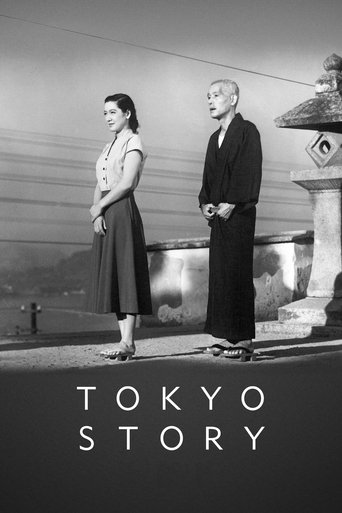
Tokyo Story (1953)
Ozu's quiet portrait of a family and ageing is a key ancestor, and a useful comparison for how everyday life becomes profound.
Continue the director
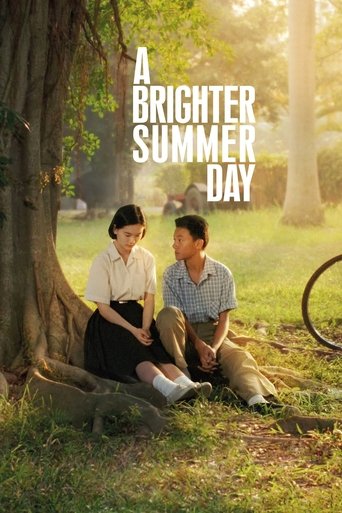
A Brighter Summer Day (1991)
Yang's earlier masterpiece shows his larger scale and darker view, and gives context for the warmth of Yi Yi.

Explore the era or movement
In the Mood for Love (2000)
Released the same year, it is another Asian art film about restraint, memory and the missed chance, but with a very different visual style.
Compare another approach
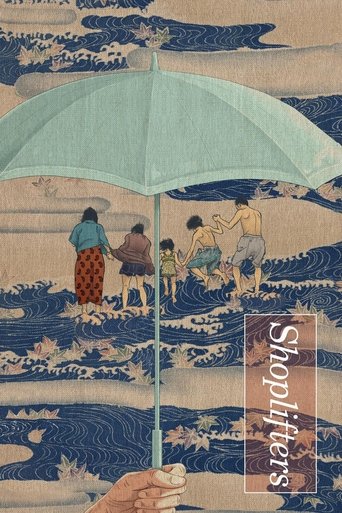
Shoplifters (2018)
A later family drama that shows similar compassion and moral complexity from a Japanese perspective.
Follow the idea
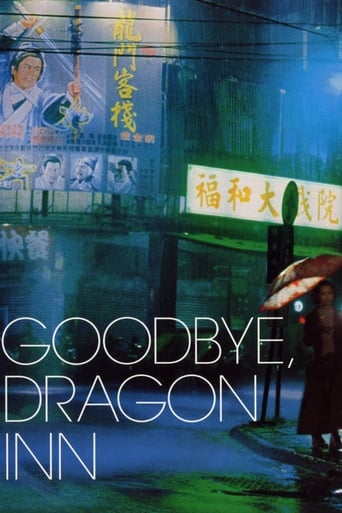
Goodbye, Dragon Inn (2003)
Tsai Ming-liang's Taiwanese film also uses long takes and stillness, but pushes them toward a more austere form.