Drama
Winter Sleep
Turkish (Kış Uykusu)
2014 · Directed by Nuri Bilge Ceylan · 196 min


Drama
Turkish (Kış Uykusu)
2014 · Directed by Nuri Bilge Ceylan · 196 min



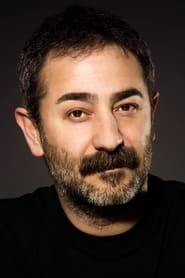
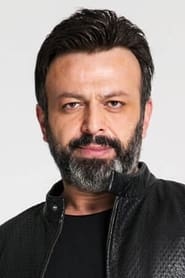
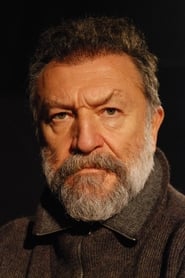


Meaning, unpacked
Central idea
The film can be read as an examination of moral complacency: a man who thinks of himself as cultured and decent, and who uses talk to avoid responsibility. It tests whether good intentions, charity and clever argument are enough when they come from comfort and power.
What it means
Winter Sleep is about Aydın, a former actor and landlord who sits in a warm hotel carved into stone while winter closes in. His marriage is cold, his tenants are in trouble, and he keeps talking. Talking is the point. The film studies moral complacency: a man who thinks himself cultured and decent, and uses words to avoid responsibility. The question underneath is hard. Are good intentions, charity and clever argument enough when they come from comfort and power?
Look at how it treats generosity. Aydın's kindness keeps turning into control or vanity, a way of staying superior, and the people receiving it notice. His argument with his sister Necla sounds like philosophy but is really grievance; he wants to win, not listen. Then comes the late confrontation with his wife Nihal, when years of held-back judgments surface. They share a house, but not an understanding. Intelligence, the film says, does not make people able to reach each other.
Why it mattered
In 2014, Winter Sleep won the Palme d'Or at Cannes. That followed a run of honours for Nuri Bilge Ceylan: Distant and Once Upon a Time in Anatolia each won the Grand Prix, and Three Monkeys earned him Best Director. Critics praised the writing, the acting and the visual control, though some found the length and the talk demanding.
What was striking is what it asked of an audience. Most of its 196 minutes are people talking, and the drama lives in the consequences of words, not in events. Ceylan co-wrote it with Ebru Ceylan, loosely inspired by Chekhov, and set it in contemporary Turkey. Interiors are lit like paintings, wide shots of Cappadocia make the characters small, and music is rare, so when Schubert's piano arrives, it counts. The film showed that patient, dialogue-driven drama could still take cinema's top prize.
Before anyone tells you what to think: what did you make of it?
Log in to rate it and leave commentsIt takes one click with Google or an email link. You come straight back here.
Rate it, keep your notes, and find the next film.
Free, no ads. Your journal, your lists, a Cine Guide that remembers you.
Create your free spaceIt strengthened the international standing of Turkish art cinema and confirmed that long, talky drama could still win at the highest level. Ceylan carried the approach into later work such as The Wild Pear Tree. The film also gave the world a snowbound Cappadocia, far from the summer postcard, and its landscape is often what viewers remember first.
It reached beyond cinema too. In his acceptance speech, Ceylan dedicated the prize to Turkey's youth and to those who had died in the previous year's unrest, tying a quiet drama about a landowner's privilege to wider talk of class and power. Today it is regarded as one of the major festival films of the 2010s and the peak of Ceylan's career. It is often taught alongside Chekhov, Dostoevsky and Bergman, and it leaves one last question: how often do we mistake a good argument for a good life?
What happens
After his painful confrontation with Nihal, Aydın leaves for Istanbul but turns back and chooses to stay through the winter. Nothing is settled between them. It reveals how little he has changed, and how little she has forgiven.
The last image
The film ends in the snowbound world of Cappadocia and the hotel, with Aydın back inside and the marriage still unresolved.
Two readings
What it says
The film refuses a neat repair. Aydın can talk his way into feeling decent, but understanding is slow and uncertain. By ending unresolved, with only a faint chance of change, it tells you that insight, like winter, takes time.
Or follow an idea from this film


Continue the director
Once Upon a Time in Anatolia (2011)
Ceylan's previous film, set in the same landscape and built on long, searching conversations, shows the method that Winter Sleep expanded.
See what influenced it
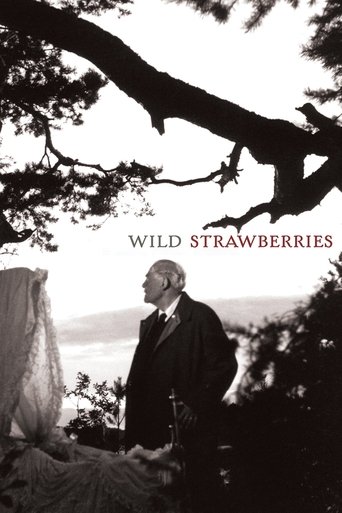
Wild Strawberries (1957)
Bergman's portrait of a distinguished older man confronting his coldness is a model for the moral self-examination in Ceylan's film.
Compare another approach
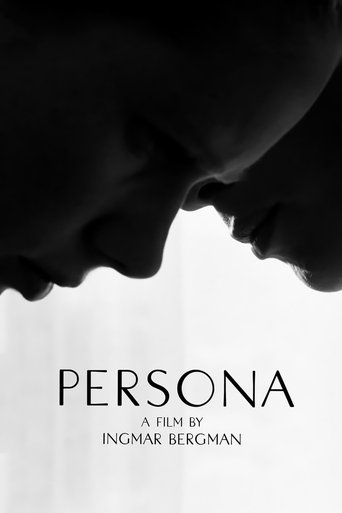
Persona (1966)
Another study of people shut in a remote setting where speech, silence and power shape relationships, though far more formally experimental.
Follow the idea
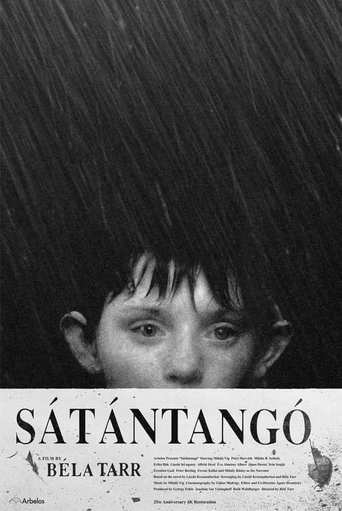
Satantango (1994)
Another long, patient film about a rural community, showing how extreme duration can be used for moral and social observation.
Explore the era or movement
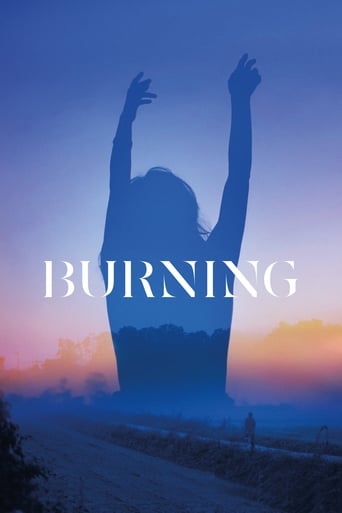
Burning (2018)
A later festival drama in which class tension and ambiguity unfold slowly, useful for seeing how contemporary art cinema handles social divides.