Crime · Thriller · Romance
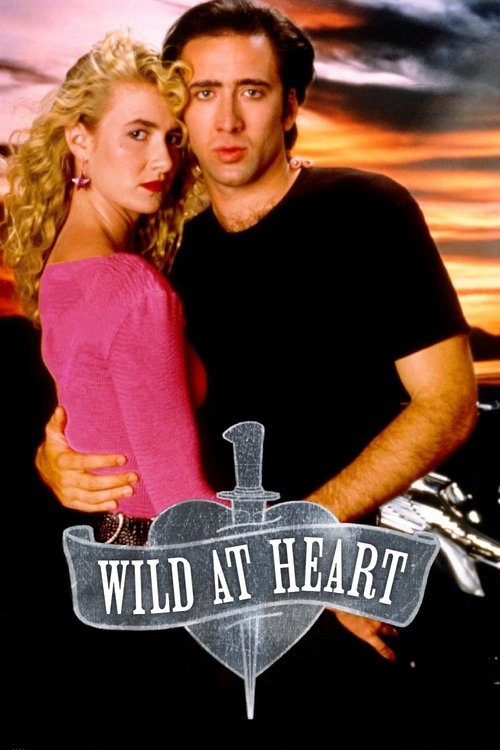
Wild at Heart
American
1990 · Directed by David Lynch · 125 min


Crime · Thriller · Romance
American
1990 · Directed by David Lynch · 125 min





Meaning, unpacked
Central idea
The film can be read as a test of whether romantic faith can survive a world of violence, corruption and bad omens. Lynch treats love as a fairy-tale force, and the story only works if you accept that.
What it means
Wild at Heart asks a simple question in a very loud voice: can romantic faith survive a world of violence, corruption and bad omens? Sailor and Lula run for the road, chased by her mother's obsession. That is all the plot you need, because the film cares far more about what the journey tests.
Lynch treats love as a fairy-tale force, and the story only works if you accept that. Sailor and Lula's bond is simple and absolute, and the film keeps measuring it against people and places that want to wear it down. Family is a source of damage as well as loyalty. Sailor's snakeskin jacket and Elvis manner ask whether his freedom is real or a performance. The violence is sudden, exaggerated and darkly comic, a dream-like surface over something brutal. In the motel room, where Bobby Peru closes in on Lula, the film turns to pure menace. Then the Good Witch arrives. Some call that a cheat, but it is better seen as a choice: the Oz references are structural, so the ending feels earned by the film's own rules. Lynch picks sincerity over irony.
Why it mattered
Lynch blends road movie, noir, melodrama and horror without apology. He lets the film lurch between registers, so your discomfort becomes part of the effect. Frederick Elmes shoots in saturated colour, with extreme close-ups of fire and faces. Angelo Badalamenti's score sits beside Elvis songs and aggressive rock, with industrial hums keeping unease under the romance.
It arrived as Lynch's style was reaching a wide audience through television, and it won the Palme d'Or at Cannes in 1990. Reaction was divided from the start. The screening drew applause and objections, largely over the violence, and US reviews were mixed. Some praised the performances, style and energy; others found it too extreme or the plot thin. It showed an art-house director pushing genre material toward the grotesque and the romantic.
Before anyone tells you what to think: what did you make of it?
Log in to rate it and leave commentsIt takes one click with Google or an email link. You come straight back here.
Rate it, keep your notes, and find the next film.
Free, no ads. Your journal, your lists, a Cine Guide that remembers you.
Create your free spaceThe film helped make a mix of pop romance, kitsch and violence feel like a viable mode for 1990s independent film. It strengthened Lynch's reputation for combining sincere emotion with unsettling imagery. Its mix of Elvis worship, a good witch in a bubble and a wicked witch mother is often cited as his "Americana gone wrong."
Its images lasted. The snakeskin jacket became one of the best-known pieces of Nicolas Cage's persona. Chris Isaak's "Wicked Game" was already on an album, but its use here is widely credited with bringing it to a wide audience. Today the film's standing has grown as Lynch's reputation has deepened, and it is seen as a key film in his career. It remains less central than Blue Velvet or Mulholland Drive, and some still find it excessive.
What happens
Sailor, freed again, abandons Lula and their son, then is beaten by a gang. The Good Witch tells him not to give up on love. He finds them stuck in traffic and sings to Lula on the cars.
The last image
Sailor, having rejoined Lula and their son after serenading her across the stopped cars, ends the film in a fairy-tale reunion.
What it says
The ending is a deliberate choice: Lynch picks sincerity over irony. Because the Oz references run through the film, the Good Witch feels earned by its own rules, and believing in a happy ending becomes an act of faith in a cruel world.
Or follow an idea from this film


Continue the director
Blue Velvet (1986)
The film that made Lynch's reputation and the best companion to this one. It shows the same mix of innocence, dread and offbeat humor in a quieter setting.
Follow the idea
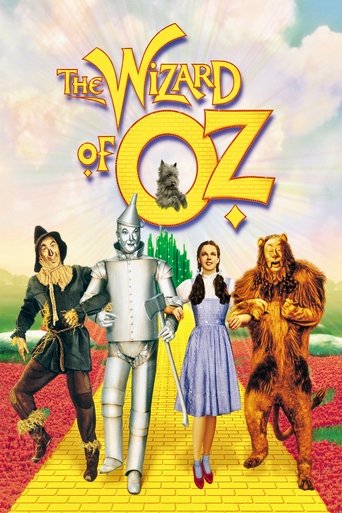
The Wizard of Oz (1939)
Seeing the source of Lynch's fairy-tale frame clarifies how he uses it, and shows what changes when a story of home becomes one of danger.

Compare another approach
Badlands (1973)
Another film about young lovers fleeing across America, but cooler and more detached. The contrast shows how much Lynch relies on sincerity and heat.
Jump forward
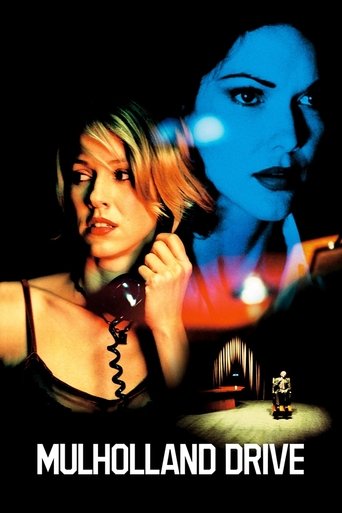
Mulholland Drive (2001)
Lynch's later masterwork pushes his dream logic and noir imagery much further, and shows where the strange, shifting tone of this film leads.