Drama
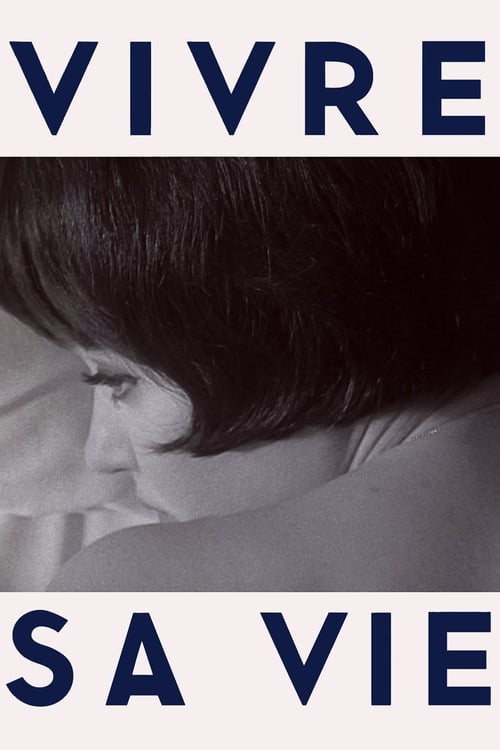
Vivre Sa Vie
French (Vivre sa vie: film en douze tableaux)
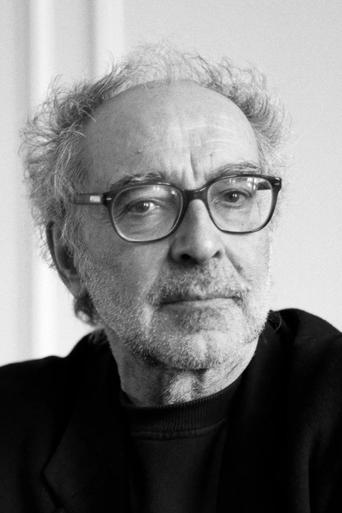
1962 · Directed by Jean-Luc Godard · 84 min


Drama
French (Vivre sa vie: film en douze tableaux)
1962 · Directed by Jean-Luc Godard · 84 min
Meaning, unpacked
Central idea
The film can be read as an inquiry into freedom and identity: how far a person can author her own life when money, men and the way she is looked at shape what she can do. Godard treats Nana neither as a case study nor as a victim to be pitied, but as a person he observes closely.
What it means
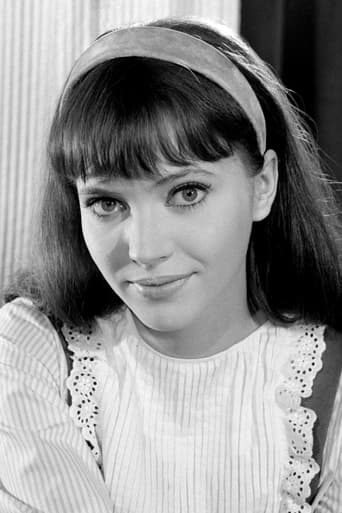
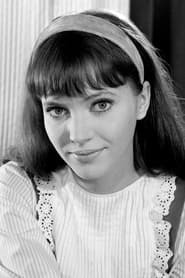
Vivre Sa Vie asks how much of her own life one person can truly write. Nana, played by Anna Karina, leaves her husband, drifts into prostitution in Paris, and meets an ending that arrives with startling speed. What matters is how Godard lets you watch it.
The central idea is freedom against circumstance. Nana insists her choices are her own, yet chapter after chapter, rent, wages and fees close in around her. Godard offers neither pity nor a moral. Nana is watched by customers, by the men who run her life and by the camera, but being watched is not the same as being seen. The film suggests that looking is never neutral, and that it carries a responsibility of its own. This is not a cautionary tale about a fallen woman.
Why it mattered
In 1962 the French New Wave was moving from playful homage to American genre films toward moral and formal experiment. This film, a central work of that second phase, showed that Godard was more than a stylish imitator. It won the Special Jury Prize at Venice, though critics were divided: some admired its rigour and Karina's performance, others found it cold.
What was new was the way it kept you at a distance. Twelve titled tableaux give it the feel of a book of chapters. It opens by denying you Nana's face, filming her from behind and in profile. Godard mixed invented scenes with facts from a sociological book on prostitution and a story by Poe, so that fiction, research and literature sit side by side.
Before anyone tells you what to think: what did you make of it?
Log in to rate it and leave commentsIt takes one click with Google or an email link. You come straight back here.
Rate it, keep your notes, and find the next film.
Free, no ads. Your journal, your lists, a Cine Guide that remembers you.
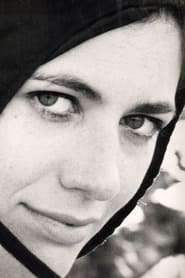
Create your free spaceIts chaptered, observational structure, and its use of the actress's face as the film's centre, influenced later European art cinema, including Chantal Akerman's rigorous studies of women's daily lives. Karina's dark bob and direct gaze became one of the defining images of the French New Wave, often compared to Louise Brooks.
Its reputation has grown steadily. Many now call it Godard's most emotionally powerful film of the early sixties, and a model of modernist cinema. Viewers once put off by its coolness now tend to value its tenderness and formal intelligence. The café conversation with a philosopher, and the scene of Nana weeping at Dreyer's The Passion of Joan of Arc, are studied well beyond film classes.
What happens
Nana is killed in the street when a dispute between Raoul and the men he meant to sell her to turns into gunfire. The film ends at once, with no scene of mourning or aftermath.
The last image
Nana's body lies in the street after the shooting, and the film simply stops.
What it says
The sudden death tests whether the film's distance has still let you care. Godard offers no moral and no consolation. Nana is gone as abruptly as she was watched, and the loss is left for you to feel.
Or follow an idea from this film

See what influenced it
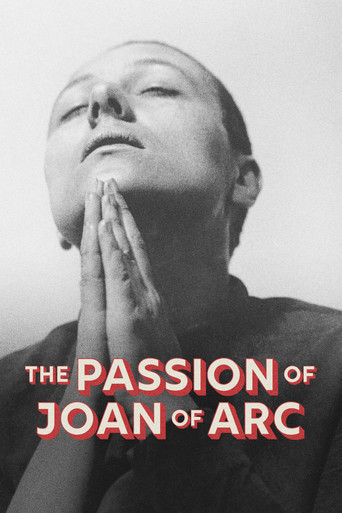
The Passion of Joan of Arc (1928)
The film Nana watches in tears. Seeing it afterwards makes clear why Godard saw the filmed face as cinema's most powerful subject.
Continue the director
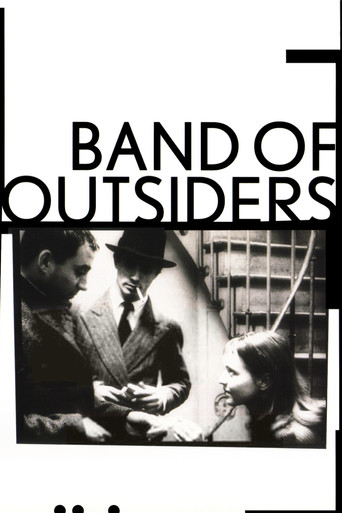
Band of Outsiders (1964)
Godard and Karina reunite in a playful, melancholy crime story. It shows the lighter side of the same experimental sensibility.
Compare another approach
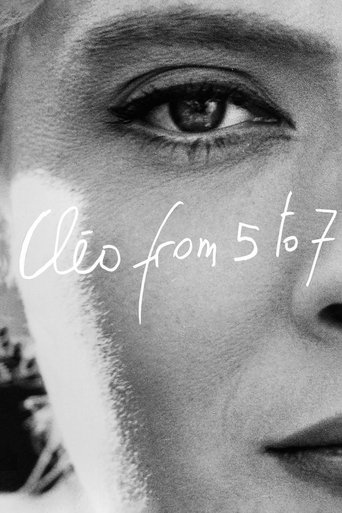
Cléo from 5 to 7 (1962)
Agnès Varda's film of the same year follows a woman through Paris in numbered chapters, offering a different and warmer New Wave view of female experience.
Follow the idea
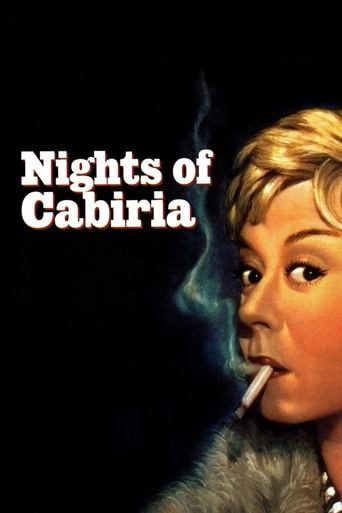
Nights of Cabiria (1957)
Fellini's portrait of a prostitute who keeps hoping offers a more openly emotional treatment of a similar subject.
Jump forward
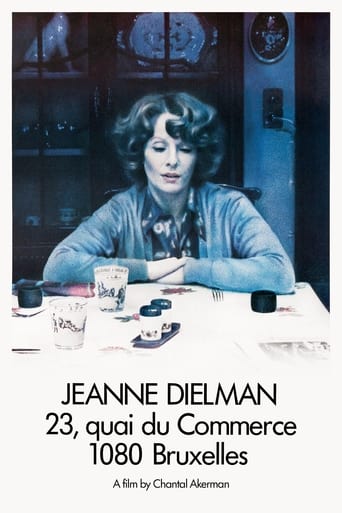
Jeanne Dielman, 23, quai du Commerce, 1080 Bruxelles (1975)
Akerman pushes observational distance and the economics of a woman's daily life much further, in a landmark of feminist cinema.