Drama
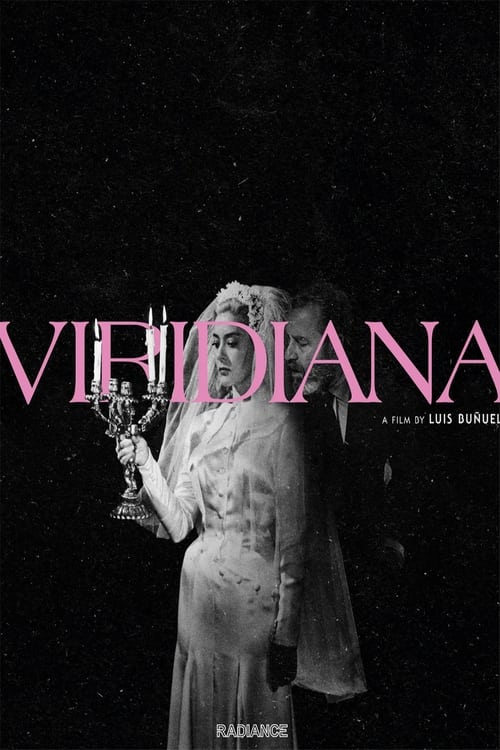
Viridiana
Spanish
1961 · Directed by Luis Buñuel · 90 min


Drama
Spanish
1961 · Directed by Luis Buñuel · 90 min






Meaning, unpacked
Central idea
The film can be read as a test of Christian charity against human nature and social reality. Viridiana's sincere goodness cannot change the world around her, and it may blind her to desire, power and need.
What it means
Viridiana is a film about a good woman who tries to do good, and discovers that goodness is not enough. After her uncle Don Jaime's scheme leaves her with a burden of guilt, she opens his estate to beggars. She is sincere, but her generosity quietly expects gratitude and obedience. The people she helps have appetites and ideas of their own.
You can read it as a test of Christian charity against human nature and social reality. Desire runs under everything: Don Jaime's fixation, Viridiana's discipline, Jorge's pragmatism. Religion, memory and propriety work as ways of managing desire, and sometimes hiding it. Class matters too, because owners and beggars both perform roles, and morality often follows social position. When Buñuel turns a crown of thorns and a cross-shaped knife against their owners, his target is complacent charity and institutional piety more than belief itself.
Why it mattered
In 1961 Buñuel, who had left Spain after the Civil War and spent years in the United States and Mexico, made his first Spanish film in decades. Authorities who had not read his intentions closely approved it. It shared the Palme d'Or at Cannes, then the Vatican's newspaper attacked it, the Spanish government turned against it, and the official who approved it lost his job. It was banned in Spain for years.
What was new was the method. Instead of shock, Buñuel kept a polite, formal surface and let the irony arrive through juxtaposition. He rarely tells you how to read a scene, so the satire disturbs more for being so calm. Even the censored ending, a card game devised to satisfy the censors, proved more cutting than a punishment would have been. Viridiana joins a domestic ritual that quietly undoes her vocation.
Before anyone tells you what to think: what did you make of it?
Log in to rate it and leave commentsIt takes one click with Google or an email link. You come straight back here.
Rate it, keep your notes, and find the next film.
Free, no ads. Your journal, your lists, a Cine Guide that remembers you.
Create your free spaceThe film confirmed Buñuel's late-career mode of religious and bourgeois satire, leading to The Exterminating Angel, Belle de Jour and The Discreet Charm of the Bourgeoisie. Later Spanish filmmakers, including Pedro Almodóvar, drew on its mix of religion, desire and dark comedy. The beggars' banquet, staged like the Last Supper to a Handel chorus, became shorthand for irreverence toward religion. Because it was withheld from Spanish audiences, the film also became an emblem of resistance to Franco-era censorship.
Today it is seen as one of Buñuel's central works and a pivotal film of European art cinema. Its reputation has moved from scandal to admiration for its precision and moral ambiguity, and it is often read as a bridge between his Surrealist youth and the sharper, funnier satires that followed. It is a standard title in courses on Buñuel, Spanish cinema and censorship.
What happens
After the beggars' riot, a changed Viridiana goes to Jorge's room. She finds him with his maid Ramona and a deck of cards, and sits down to play. The saint has joined the household she tried to escape.
The last image
Viridiana, Jorge and Ramona sit at a table, playing cards.
Two readings
What it says
Goodness could not change the world, so she joins it. The card game is small and domestic, which is why it cuts deeper than punishment would. It was reportedly devised to satisfy the censors, yet it made the film more cutting.
Or follow an idea from this film

Continue the director
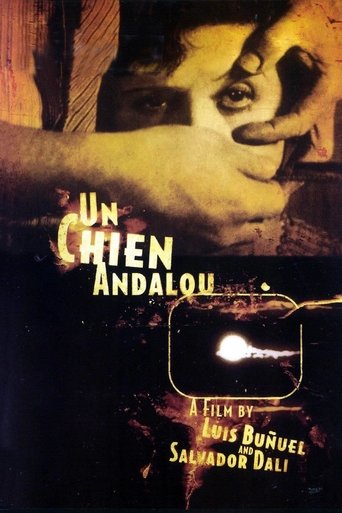
Un Chien Andalou (1929)
Buñuel's short debut with Dalí shows where his attack on religion and convention began. It makes Viridiana's calm style look even more deliberate.
Continue the director
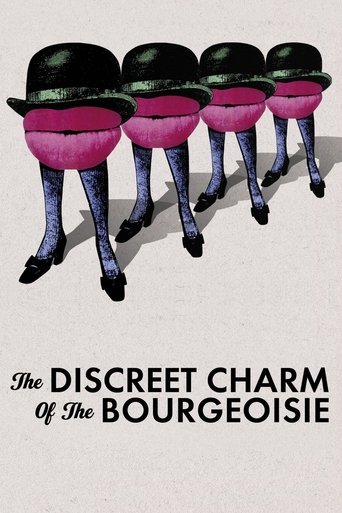
The Discreet Charm of the Bourgeoisie (1972)
The later, more openly comic Buñuel, where social ritual and repressed appetite become a running joke.
Follow the idea
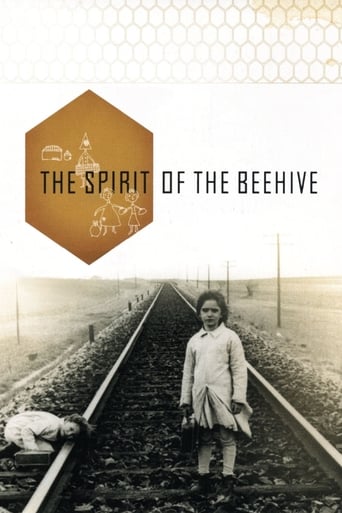
The Spirit of the Beehive (1973)
A Spanish film made under late Franco, using indirection and silence to express what could not be said openly.
Compare another approach
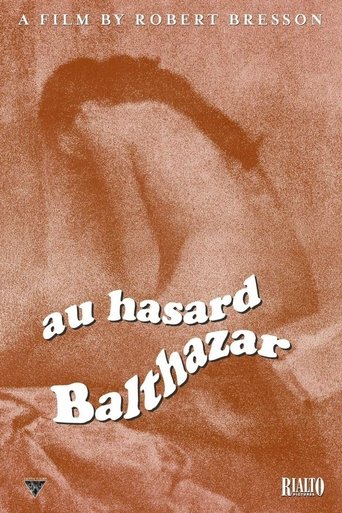
Au Hasard Balthazar (1966)
Bresson's austere film also tests goodness and innocence against a cruel world, but in a spiritual rather than satirical register.
Explore the era or movement
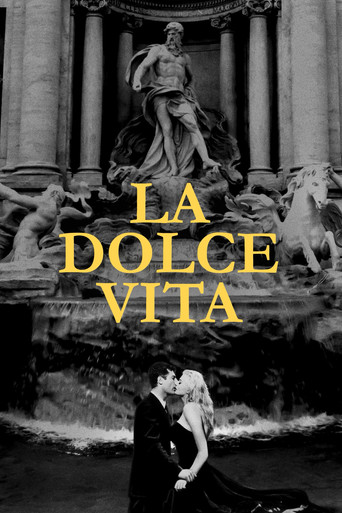
La Dolce Vita (1960)
Released a year earlier, Fellini's film also portrays the Church, society and moral emptiness, with a very different, more flamboyant style.