Crime · Drama
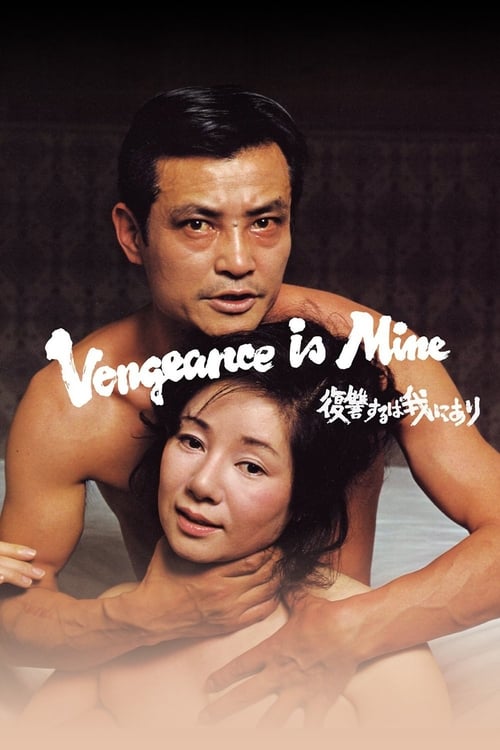
Vengeance Is Mine
Japanese (復讐するは我にあり)
1979 · Directed by Shōhei Imamura · 140 min


Crime · Drama
Japanese (復讐するは我にあり)
1979 · Directed by Shōhei Imamura · 140 min


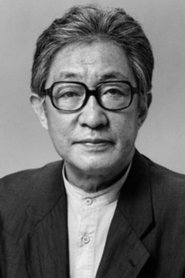





Meaning, unpacked
Central idea
The film can be read as an attempt to study a killer without explaining him away. Enokizu emerges from his family, his faith, his wartime childhood and a society he exploits, yet no single cause accounts for what he does.
What it means
Vengeance Is Mine follows a killer on the run, and then refuses to tell you why he did it. That refusal is the whole point. Imamura studies Enokizu without explaining him away. He comes from a devout family, a wartime childhood and a society he learns to exploit. The film offers each as a possible cause, but never lets one settle the question. It does not excuse him through his upbringing. It shows the influences, then declines to treat any of them as a full cause.
The title echoes the biblical line that vengeance belongs to God, tied to the Catholic faith of Enokizu's family. His father stands for a moral order the son has rejected, and their bitter relationship shapes the ending. Around that runs a world of sex and money, shown as exchange, domination and need. Many see underneath it rootlessness, hypocrisy and private cruelty in a rapidly modernising Japan. Enokizu passes as a professor, a lawyer, a gentleman, because confident performance wins trust.
Why it mattered
Crime films usually hand you a tidy bit of pop psychology around the halfway mark. This one holds it back on purpose. It opens on the captured man, so the question is no longer whether he gets caught but how, and why. The flashbacks become testimony, something to weigh rather than believe, and the shifting timeline works like an investigation: you assemble the man from fragments.
Imamura had spent much of the 1970s making documentaries and founding a film school in Yokohama, and it shows. The camera often watches from a distance and lets people reveal themselves. Sex, violence, rooms, food and money are shown plainly. The early killings come with no tension and no music, which is what makes them disturbing. Ken Ogata plays Enokizu with ordinary, sometimes friendly behaviour, so his sudden turns frighten you with no menacing score to warn you.
Before anyone tells you what to think: what did you make of it?
Log in to rate it and leave commentsIt takes one click with Google or an email link. You come straight back here.
Rate it, keep your notes, and find the next film.
Free, no ads. Your journal, your lists, a Cine Guide that remembers you.
Create your free spaceIn Japan it was a major critical success. It swept the year's leading honours, including best film from Kinema Junpo and the Blue Ribbon Awards, and Ogata was widely praised. People admired its harshness and its refusal to sensationalise the story. Abroad it travelled more slowly than Imamura's later Palme d'Or winners, but it began the final phase of his career, which led to The Ballad of Narayama and The Eel.
Its influence is wide. It helped shape the modern true-crime portrait that watches a killer without explaining him, a line you can trace through later Japanese and Korean crime films. Today it is often counted among Imamura's finest films and among the best Japanese films of the 1970s. What lingers is the discomfort: a man you have watched closely and still cannot account for. Perhaps that is the most honest thing the film could do.
What happens
Enokizu is caught and executed, rejecting his father to the end. Afterward his father and wife carry his bones up a mountain and throw them into the air, where they seem to hang, suspended. The film gives no verdict.
The last image
The bones thrown from the mountaintop seem to hang in the air, and the film ends there without settling what his life meant.
Two readings
What it says
The film studies Enokizu without explaining him away, so it will not close with a moral or a cause. Faith, family and society are all offered, but none accounts for him. It leaves you with the discomfort.
Or follow an idea from this film


Continue the director
The Ballad of Narayama (1983)
Imamura's Palme d'Or winner shows the same unsentimental look at human instinct, now in a remote village. It is the natural next step in his career.

See what influenced it
M (1931)
The classic early film about a killer as a social problem. Compare how Lang's expressive suspense differs from Imamura's flat, observational approach.
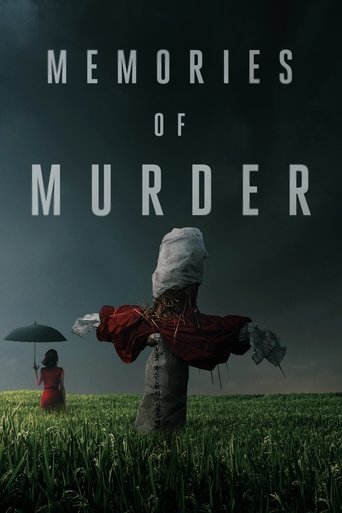
Compare another approach
Memories of Murder (2003)
Another film built on a real case, with a similar unresolved moral landscape, but told from the investigators' side.
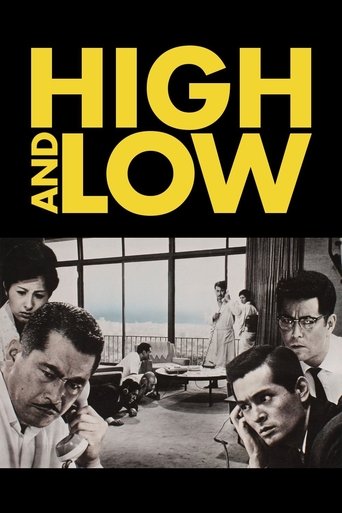
Explore the era or movement
High and Low (1963)
Kurosawa's crime film shows how Japanese cinema used police procedure to examine class and morality, a useful counterpoint to Imamura's rougher vision.

Follow the idea
Cure (1997)
A later Japanese film about murder without clear motive, which pushes the unexplained killer toward psychological horror.