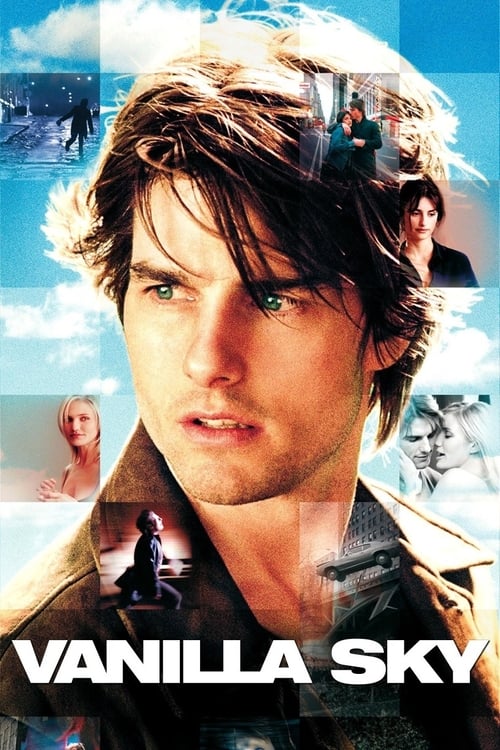
Mystery · Romance · Science Fiction
Vanilla Sky
American
2001 · Directed by Cameron Crowe · 136 min


Mystery · Romance · Science Fiction
American
2001 · Directed by Cameron Crowe · 136 min






Meaning, unpacked
Central idea
The film can be read as a story about a man who has lived by surfaces and must learn what is worth keeping once the surface is gone. It asks whether a life you choose with open eyes is better than a comfortable illusion.
What it means
Vanilla Sky is about a man who has lived by surfaces. David Aames has looks, money and a life that asks nothing of him. When a disaster takes his face, the world begins to slip, and the film asks how much of David is left once those supports are gone.
In the end he learns that his life has been a constructed dream, and he must choose whether to keep it. Along the way the film talks about guilt, because his casual treatment of people comes back at him in violent form. It talks about love, too: Sofia offers a kind built on attention rather than convenience, and choosing her and choosing to wake up are the same decision. The question underneath it all is whether a life you choose with open eyes beats a comfortable illusion. The film's answer is that a perfect dream costs you something real, waking up costs you something too, and the waking is worth it.
Why it mattered
At the time, the film was a rare thing: a big studio picture built on a puzzle. Tom Cruise saw Alejandro Amenabar's Spanish thriller Abre los ojos, acquired the remake rights, produced this version and asked Cameron Crowe to adapt it, with Penelope Cruz repeating her role. A major star taking on a deliberately risky story, so soon after the original, was unusual.
It also showed how a mainstream film could borrow the structure of European and independent puzzle thrillers. It opens in a confinement frame, moves back through David's story, then returns, so early scenes can be reread once you know the answer. Crowe kept the shape of Amenabar's story but moved it to a New York of magazines and pop culture, and let music do much of the storytelling. It is not a shot-for-shot remake, whatever the myth says.
Before anyone tells you what to think: what did you make of it?
Log in to rate it and leave commentsIt takes one click with Google or an email link. You come straight back here.
Rate it, keep your notes, and find the next film.
Free, no ads. Your journal, your lists, a Cine Guide that remembers you.
Create your free spaceIts influence is modest but real. It proved a major star could carry an offbeat, structurally complex story in a studio film, and it sits beside Mulholland Drive, Donnie Darko and Eternal Sunshine of the Spotless Mind in the early-2000s wave of films about unstable reality. Its images stuck: the empty Times Square opening, and the plea to open your eyes. It is still a common reference point when people discuss simulated reality and cryonics.
Critics were divided in December 2001. Some admired its ambition, Cruise's performance and the soundtrack; others found it overlong, confusing or too glossy next to Amenabar's leaner original. Audiences came anyway, and it grossed well over a hundred million dollars worldwide. Its only Oscar nomination was for Paul McCartney's title song. Today its reputation has improved. Viewers appreciate its emotional core and its place among the puzzle-box films of its day. It is less admired than the best of that group, but it has a loyal following. If you want more, try Abre los ojos and compare the two.
What happens
David steps off the Life Extension tower and wakes. His whole life, including the face, Sofia and the murder, was a dream he lived in cryogenic suspension. He chose to leave it and live in the real world, whatever it costs.
The last image
David's eyes open, and the dream ends.
What it says
The film argues that a perfect illusion costs you something real, and that waking costs you something too, but it is worth it. David's choice is also his reckoning: only by facing the world as it is can he truly be with Sofia.
Or follow an idea from this film

See what influenced it
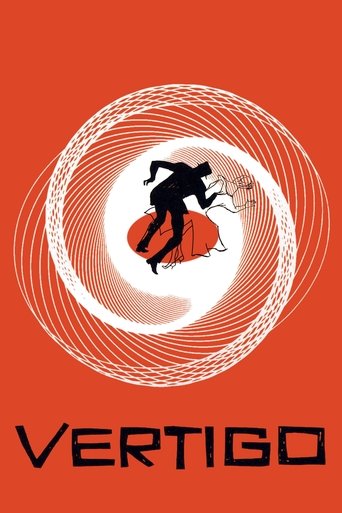
Vertigo (1958)
Hitchcock's film about love, obsession and desire is a clear ancestor of this kind of romantic mystery.
Compare another approach
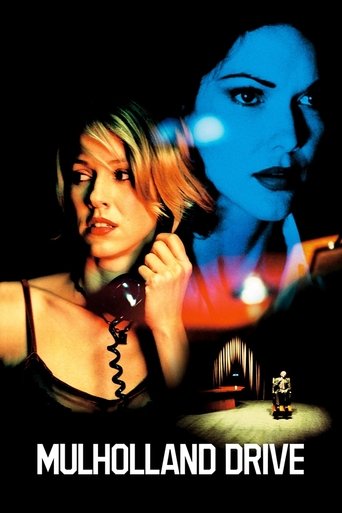
Mulholland Drive (2001)
Released the same year, it handles a similar idea of identity and reality, with a stranger and more abstract approach.
Follow the idea
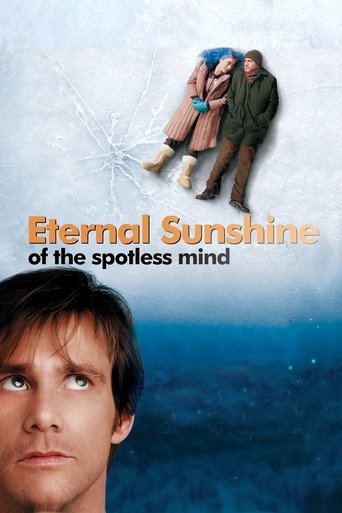
Eternal Sunshine of the Spotless Mind (2004)
A warmer romantic story built on a science-fiction premise, with similar interest in how memory and feeling shape what we call real.
Explore the era or movement
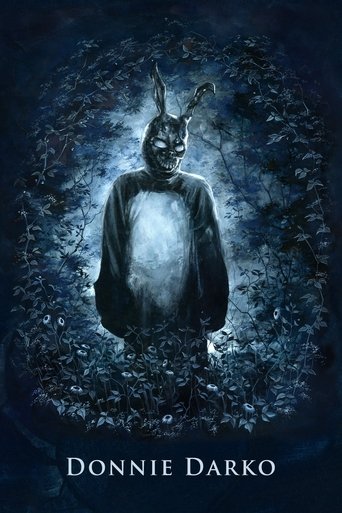
Donnie Darko (2001)
Another early-2000s cult film about unstable reality, with a very different tone and a strong period soundtrack.
Follow the idea
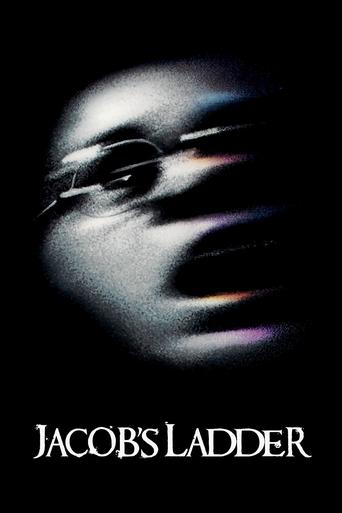
Jacob's Ladder (1990)
An earlier American thriller about a man whose grip on reality loosens, useful for tracing the tradition behind this film.