Western
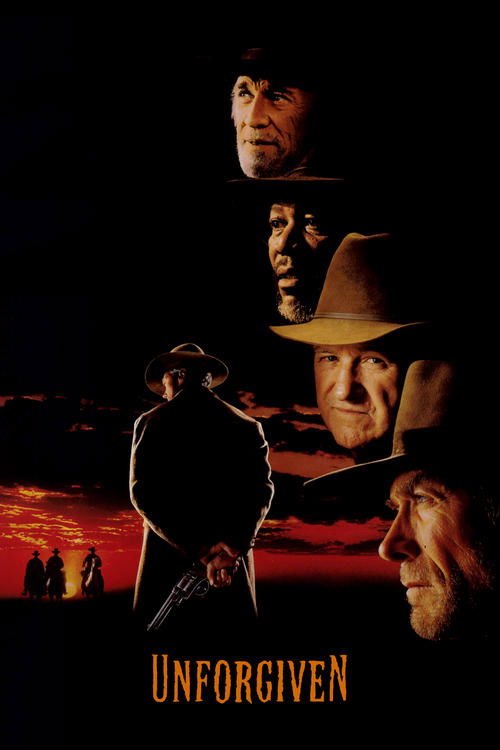
Unforgiven
American
1992 · Directed by Clint Eastwood · 130 min


Western
American
1992 · Directed by Clint Eastwood · 130 min





Meaning, unpacked
Central idea
The film can be read as an argument against the glamour of violence. It asks whether a killer can ever really change, and what happens when the myths that make killing look heroic meet the actual act.
What it means
Unforgiven is a case against the glamour of violence. William Munny, a retired killer, takes one last bounty job: the target is the men who cut a woman in the town of Big Whiskey. The film asks whether a killer can ever truly change, and what happens when the stories that make killing look heroic collide with the real thing.
That collision runs through the whole film. Dime novels, tall tales and a visiting biographer show how legends get made, and then the film shows the clumsy, frightening truth underneath. Killing here is tiring, ugly and damaging. The men are old, with poor eyesight and stiff bodies, which makes their violence more desperate and less romantic. Munny wants to be the man his dead wife made him, but the film doubts you can escape a past you haven't faced. It gives you the myth, then makes you look at what the myth cost.
Why it mattered
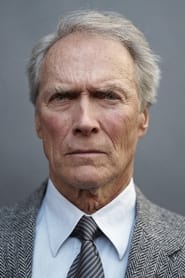
Unforgiven came late in the life of the Western and used the form to take it apart. Clint Eastwood, the genre's most famous modern gunfighter, directed and starred in a film that asks what killing really costs. It is a defining late statement of the revisionist Western, closing a conversation that runs from John Ford and Sergio Leone to Eastwood's own earlier films.
It also showed the genre could carry moral weight. Law is no cleaner than revenge: Little Bill brings order through his own brutality. The craft backs this up. Jack N. Green's dim, amber-lit photography makes the frontier look lived-in rather than heroic, and Joel Cox's unhurried editing lets silence and aftermath weigh as much as action. Even the score avoids Western swagger, built around a quiet guitar theme by Eastwood.
Before anyone tells you what to think: what did you make of it?
Log in to rate it and leave commentsIt takes one click with Google or an email link. You come straight back here.
Rate it, keep your notes, and find the next film.
Free, no ads. Your journal, your lists, a Cine Guide that remembers you.
Create your free spaceUnforgiven earned nine Oscar nominations and won four: Best Picture, Best Director, Best Supporting Actor for Gene Hackman, and Best Film Editing. It was also a commercial success, which was unusual for a Western then. It helped revive serious interest in the Western and set a template for stories in which violence has a moral cost, and later Westerns and crime dramas drew on its disillusion and its attention to myth-making.
Many read it as Eastwood's reckoning with his own screen image, since Munny is far from the cool gunman of the Dollars films and Dirty Harry. Lines like "Deserve's got nothin' to do with it" and "We all have it coming, kid" are still quoted in debates about justice. It is taught in film and American-studies courses, and today it is widely seen as one of the great Westerns. Its reputation has grown, not faded.
What happens
Munny gets drunk, walks into the saloon and kills the owner, Little Bill and several of his men, then warns the survivors to bury Ned properly. He rides home in the rain. The old killer was never gone.
The last image
Munny rides out of Big Whiskey into the rain and back toward his children and his farm.
What it says
The ending refuses to make the killing a triumph. Munny wins only by becoming the man he swore he'd left behind. It's revenge, not heroism, and the film wants you to feel what that costs.
Or follow an idea from this film

See what influenced it
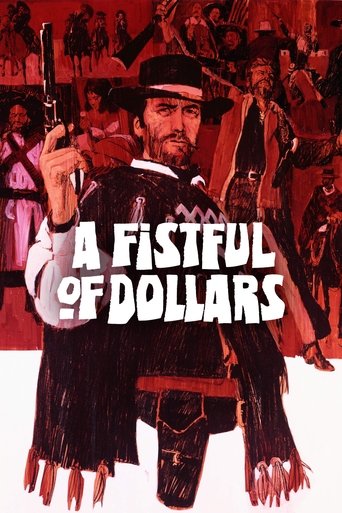
A Fistful of Dollars (1964)
The film that turned Eastwood into a Western icon. Seeing the Man with No Name first makes Unforgiven's use of that image clearer.
Compare another approach
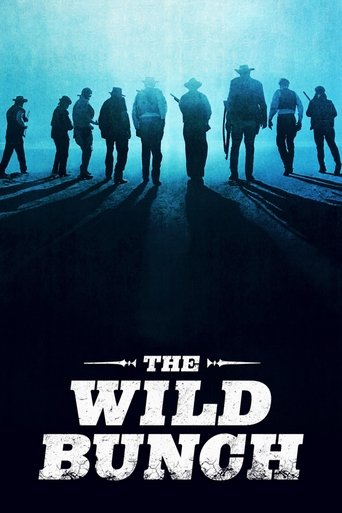
The Wild Bunch (1969)
Another Western about aging gunmen and the real consequences of violence, but with Peckinpah's fierce, operatic energy in place of Eastwood's restraint.
Follow the idea
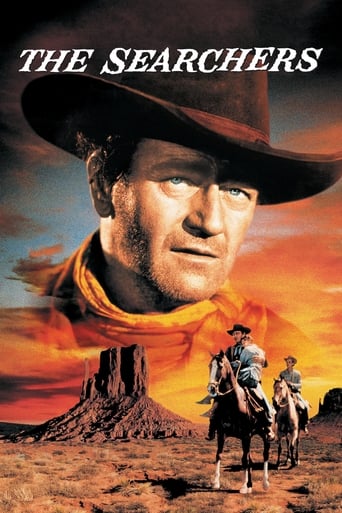
The Searchers (1956)
John Ford's classic shows a Western hero whose heroism and violence cannot be separated, and is the tradition Unforgiven is answering.
Continue the director
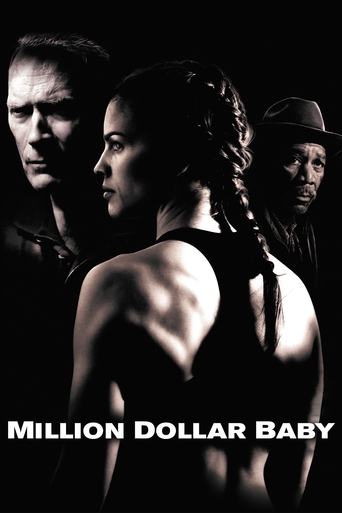
Million Dollar Baby (2004)
Eastwood's later tragedy, in his spare late style, shows how he continued the moral seriousness that Unforgiven began.
Jump forward
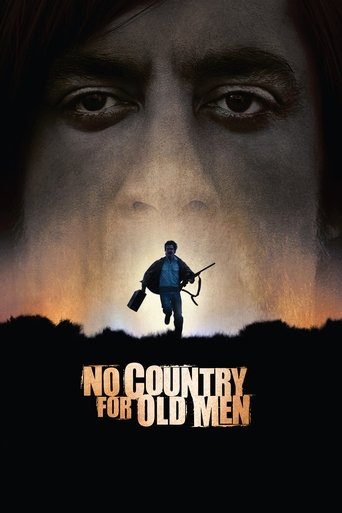
No Country for Old Men (2007)
A modern Western-set thriller where an aging sheriff faces violence he cannot understand, extending Unforgiven's disillusion.