Fantasy · Thriller
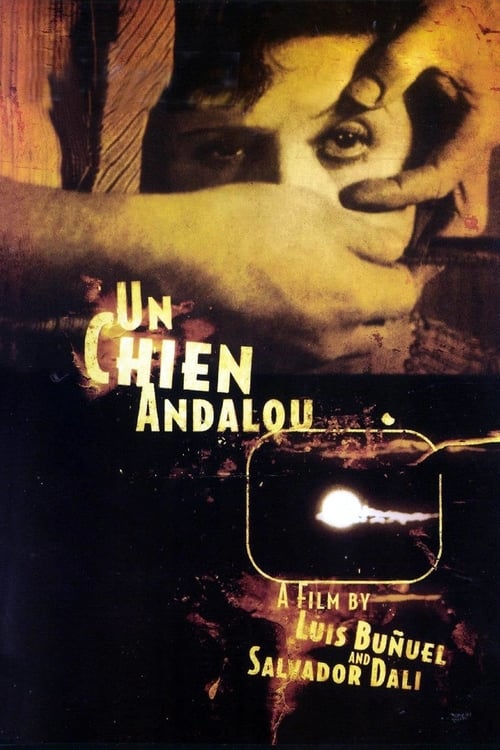
Un Chien Andalou
French
1929 · Directed by Luis Buñuel · 17 min


Fantasy · Thriller
French
1929 · Directed by Luis Buñuel · 17 min




Meaning, unpacked
Central idea
The film can be read as an attack on rational storytelling and bourgeois propriety, showing desire, violence and guilt as irrational forces that polite life suppresses and that dreams release without logic or apology.
What it means
In about sixteen minutes, Un Chien Andalou attacks two things: rational storytelling and polite, respectable behaviour. Desire, violence and guilt are treated as irrational forces that proper society keeps down and that dreams let loose, with no logic and no apology.
The catch is that Buñuel insisted the images mean nothing in any decodable way. There is no hidden code, and the psychoanalytic readings belong to viewers, not to him. So the themes work as moods. A man's longing keeps hitting barriers, such as ropes, doors and rules. Cruelty erupts in ordinary rooms and streets. Ants, a dead animal and decayed figures keep death at the edge of erotic fantasy. Even the title cards, like "eight years later," mean nothing, so the idea of orderly sequence gets mocked. The film never asks you to understand it. It asks you to notice what you flinch at, and what you laugh at.
Why it mattered
Buñuel paid for the film with money from his mother. He had assisted Jean Epstein and wanted to make something of his own that broke with commercial cinema. He and Salvador Dalí wrote it by trading dream images, such as a cloud slicing the moon and a hand crawling with ants, and they kept one rule: reject any idea that could be rationally explained.
The result put dream logic directly on screen. Its cuts link shots through shape and gesture, not story: moon and eye, armpit hair and sea urchin. The camera stays plain and unflashy, so the impossible looks like observed fact, and that contrast creates both the chill and the humour. Shown in Paris in 1929 for the Surrealist circle, it won over the avant-garde, perplexed some of the press, and brought Buñuel into André Breton's group.
Before anyone tells you what to think: what did you make of it?
Log in to rate it and leave commentsIt takes one click with Google or an email link. You come straight back here.
Rate it, keep your notes, and find the next film.
Free, no ads. Your journal, your lists, a Cine Guide that remembers you.
Create your free spaceThat associative method shaped later experimental cinema. The path of dream-driven, non-narrative film runs from Maya Deren to David Lynch, and the film's shock tactics echo in music video and horror. The razor and eye became one of cinema's best-known images, shorthand for Surrealism and for art that assaults your comfort. Rock culture picked it up too: the Pixies borrowed from it for "Debaser," and David Bowie is often reported to have screened it before concerts in the early 1970s.
Today it is the standard introduction to surrealist film and a fixture of film courses. Early arguments about Dalí's share, and about whether it was truly Surrealist, have faded. What remains is Buñuel's dry humour, which marks everything he made afterwards. If you want to go further, try his next film, L'Age d'Or, then Deren and Lynch, then Dalí's paintings.
What happens
The woman walks out and meets a new man, and the two stroll by the sea, content. A title says "in spring", then we see them buried to their chests in sand, devoured by decay. Happiness turns to rot.
The last image
The couple, buried to their chests in the sand, rotting.
Two readings
What it says
A neat ending would be the polite storytelling the film mocks. By jumping seasons and ending on decay, it denies you resolution. Desire never gets satisfied, only swallowed by death, and the film trusts you to feel that without explanation.
Or follow an idea from this film

Continue the director
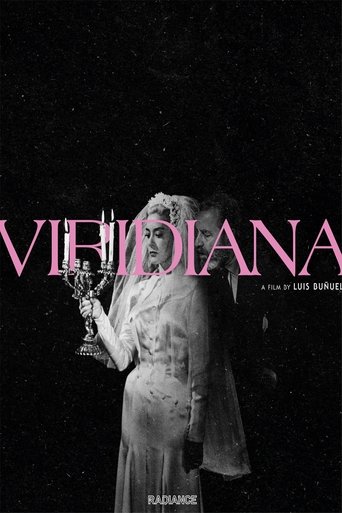
Viridiana (1961)
Buñuel's later masterpiece applies his hostility to religion and bourgeois respectability in a feature narrative, showing how the shock tactics of 1929 matured into satire.

Follow the idea
Meshes of the Afternoon (1943)
A short American avant-garde film that renders dream logic through repetition and doubling. It makes a natural pairing for comparing surrealist methods.
Compare another approach
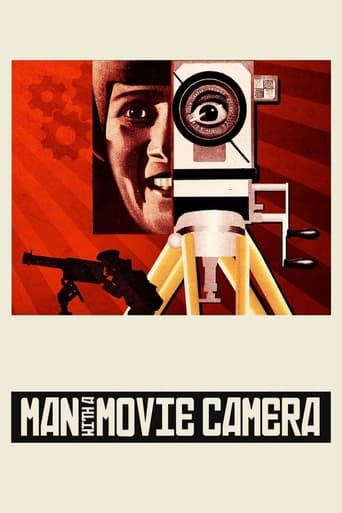
Man with a Movie Camera (1929)
Released the same year, it is another experimental film that treats editing as the main expressive tool, though rooted in Soviet montage and city life, not dreams.
See its influence
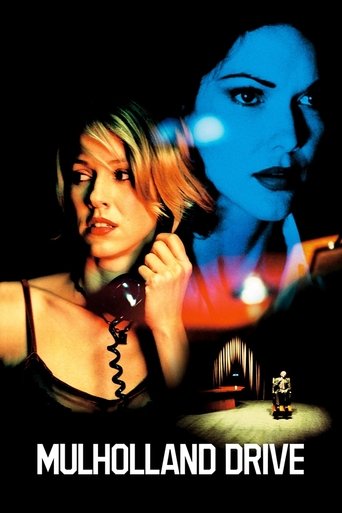
Mulholland Drive (2001)
Lynch's film shows the long reach of cinematic dream logic, where identity and desire break down within a seemingly conventional story.
Continue the director
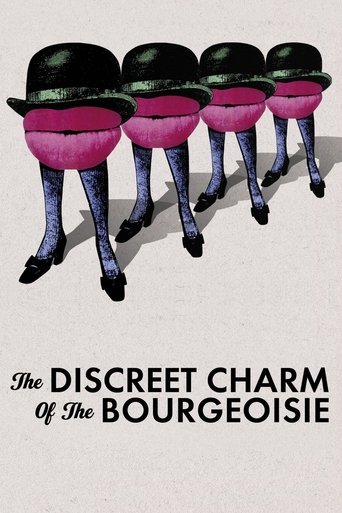
The Discreet Charm of the Bourgeoisie (1972)
Late Buñuel returns to dreams and interrupted desire, with a dry comic tone, showing how his 1929 preoccupations lasted through his career.