Documentary
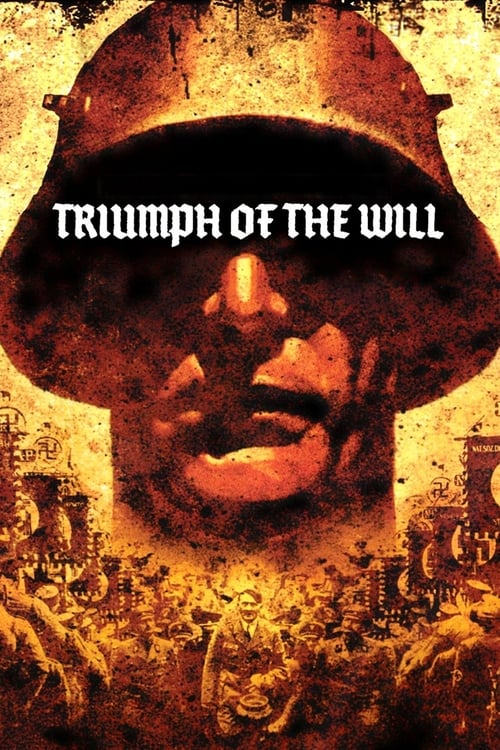
Triumph of the Will
German (Triumph des Willens)
1935 · Directed by Leni Riefenstahl · 114 min


Documentary
German (Triumph des Willens)
1935 · Directed by Leni Riefenstahl · 114 min
Meaning, unpacked
Central idea
The film can be read as an attempt to turn a political movement into a mythic experience: individuals dissolve into a mass, and the mass is presented as having a single will, embodied by one man.
What it means
You have just watched a film with no plot, only a few days of a Nazi Party rally at Nuremberg in 1934. It moves from arrival and welcome, through youth, labour, army and party, to a final oath. The rest is argument, and the argument is made almost entirely through feeling.
The central idea is chilling. The film turns a political movement into a mythic experience. Individuals dissolve into a mass, the mass is presented as having a single will, and one man embodies it. Hitler arrives from the sky, descending through clouds to Wagner. This is myth, not reportage. Medieval Nuremberg, folk imagery and ritual give a new regime an air of ancient inevitability. And notice what is missing: dissent and the regime's violence never appear. Its picture of belonging depends on what it leaves unseen.
Why it mattered
Technically, the film was a marvel, and that is part of the problem. A large crew used multiple cameras, aerial shots, tracking rails and even a lift fitted to a flagpole. Low angles monumentalise the leaders, while high angles turn crowds into geometry. Leni Riefenstahl shaped hours of footage into something close to a symphony, alternating vast panoramas with intimate faces. Herbert Windt's score borrows from Wagner and folk song, and orchestra, chanting, drums and speeches are handled almost like an opera.
It also showed how an event can be built for the camera. The rally was planned with film in mind, with staging by the architect Albert Speer, so the film records something that was already a production, then selects and arranges it for effect. One myth is worth clearing up: Goebbels did not commission it. Hitler asked Riefenstahl directly. At the time it premiered in Berlin in March 1935 before an invited audience of Party figures, earned official honours in Germany, and abroad was seen as impressive but menacing.
Before anyone tells you what to think: what did you make of it?
Log in to rate it and leave commentsIt takes one click with Google or an email link. You come straight back here.
Rate it, keep your notes, and find the next film.
Free, no ads. Your journal, your lists, a Cine Guide that remembers you.
Create your free spaceIts influence is hard to escape. The rally imagery, the low-angle portrait of the leader and the sweeping crowd shot echo through political advertising, sports spectacle and fictional films about fascism and empire. Frank Capra's Why We Fight series even reused its footage, to expose the regime it glorified. It remains a standard reference point whenever people discuss staged rallies and image-making around leaders.
Since the war it has been treated as essential and disturbing. It was banned in Germany for decades, and public screening is still restricted, usually in educational settings with commentary. Riefenstahl insisted until her death in 2003 that she had made a documentary, not propaganda, a claim historians widely reject. The question it leaves has never been settled: can formal beauty be separated from its purpose? Perhaps its power is the warning. If you felt the pull of those images, you have seen how it works.
What happens
There is no plot to resolve. The rally ends with Hitler declaring the Party the lasting expression of Germany's will, and marching columns singing. It reveals the film's real claim: many people, one will, one man.
The last image
Singing columns of marchers dissolve into the swastika banner, so people and symbol become one image.
What it says
It ends on the symbol because the film never argued, only made you feel. Individuals vanish into the banner, as the film wants you to believe they vanished into the nation. Whatever dissent or violence existed stays unseen, so unity looks total and permanent.
Or follow an idea from this film

See what influenced it
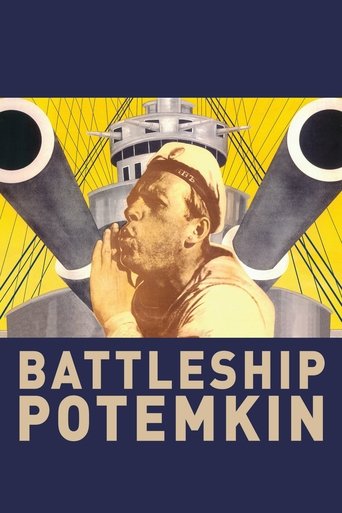
Battleship Potemkin (1925)
Eisenstein's film shows how rhythmic editing and crowd composition can stir an audience politically. Comparing the two shows how the same tools can serve opposite causes.
Compare another approach
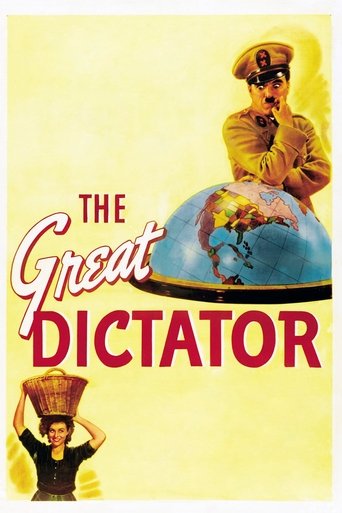
The Great Dictator (1940)
Chaplin answers rally spectacle with satire, taking apart the same imagery of leader worship through comedy.
Follow the idea
Night and Fog (1956)
Alain Resnais's short documentary uses images to confront the consequences of the regime this film celebrated, a powerful counterweight.
Explore the era or movement
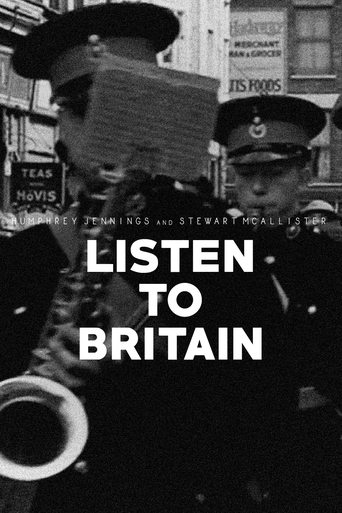
Listen to Britain (1942)
A wartime documentary that also builds a national portrait through image and sound, but through everyday work and music instead of ritual.

See its influence
Star Wars (1977)
A clear example of how this film's visual language of ceremony migrated into popular entertainment.