Drama
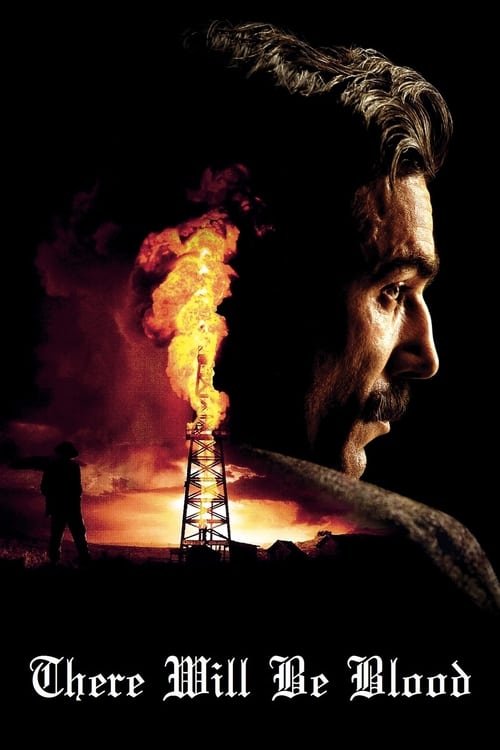
There Will Be Blood
American
2007 · Directed by Paul Thomas Anderson · 158 min


Drama
American
2007 · Directed by Paul Thomas Anderson · 158 min










Meaning, unpacked
Central idea
The film can be read as a study of American ambition at its most bare: the drive to acquire, to win and to be unlike anyone else. It sets oil and evangelical religion side by side as rival forms of the same hunger for power.
What it means
You have just watched a man build an empire and end up alone inside it. Anderson uses Daniel Plainview's rise to study American ambition at its barest: the drive to acquire, to win, and to be unlike anyone else. He sets oil and evangelical religion side by side, as rival forms of the same hunger for power.
That is why Plainview is never satisfied. Money brings him rivals, not comfort, and he cannot bear other people's success. Eli's church and Plainview's business both rely on performance and persuasion, and both take something from vulnerable people. Even his bond with H.W. leaves you wondering what is genuine, since he plays the family man whenever it helps a deal.
Why it mattered
In its time, the film revived the large-scale, character-driven epic of the 1950s and 1970s for a modern audience. It showed what a serious studio-backed period drama could look and sound like, and it is widely seen as Paul Thomas Anderson's breakthrough into full mastery.
It also trusted its viewers. The opening stretch has almost no dialogue, and the story unfolds in long, patient sequences with little exposition. Jonny Greenwood's dissonant score replaces the usual period-film orchestra. The silent mine opening, the derrick fire, the public baptism and the bowling alley finale are carried by action, sound and landscape rather than speech.
Before anyone tells you what to think: what did you make of it?
Log in to rate it and leave commentsIt takes one click with Google or an email link. You come straight back here.
Rate it, keep your notes, and find the next film.
Free, no ads. Your journal, your lists, a Cine Guide that remembers you.
Create your free spaceThe film helped establish a mode of austere, character-centred period filmmaking, and its dissonant, modernist scoring influenced later prestige dramas. It also marked a shift in Anderson's work toward the studies of obsessive men you can see in The Master and Phantom Thread.
Critics hailed it as a major achievement, praising Day-Lewis and Greenwood especially, though a few found its pace and coldness forbidding. It earned eight Oscar nominations and won two, for Best Actor and Best Cinematography. Its reputation has grown steadily, and it is often named among the best films of the 2000s. Its famous milkshake line has become one of the most quoted of its decade, often by people who have never seen it.
What happens
Years later, Daniel is rich and alone in his mansion when a desperate Eli comes begging for money. Daniel makes him denounce his own faith, then beats him to death with a bowling pin. He has won, and it has left him empty.
The last line
"I'm finished."
What it says
The ending is the film's argument made literal. Daniel destroys the last man who could match him, and finds nothing left to want. Winning everything was all he ever aimed for, and the film shows how little that leaves him.
Or follow an idea from this film

Continue the director
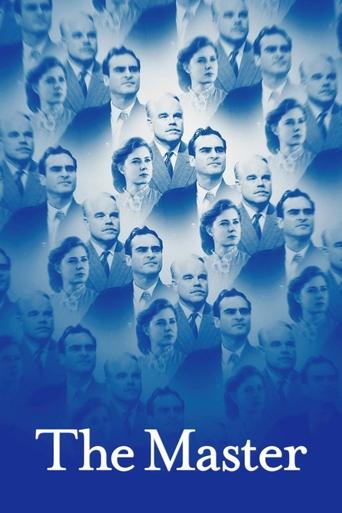
The Master (2012)
Anderson's next film with Greenwood's score and a second duel of two strong personalities, this time about belief and control.
See what influenced it
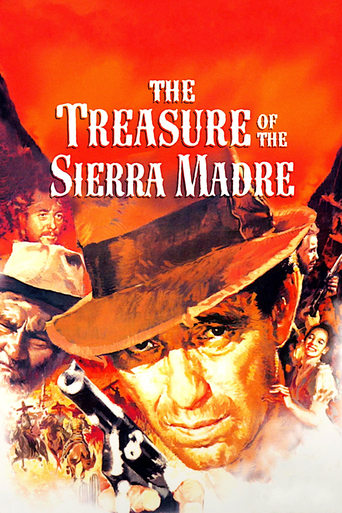
The Treasure of the Sierra Madre (1948)
Huston's classic about prospectors in the wilderness shares the rugged setting and unsparing interest in what the pursuit of wealth does to men.
Follow the idea
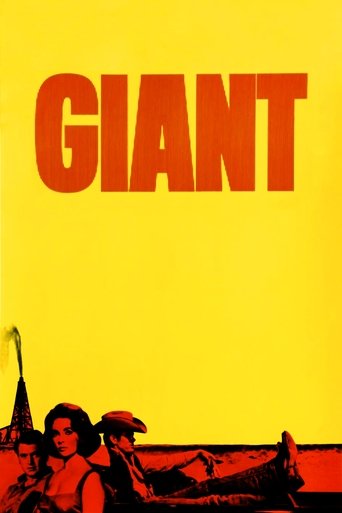
Giant (1956)
Another American epic about oil and the transformation of a landscape, but romantic and social, which shows how differently the same material can be handled.
Explore the era or movement
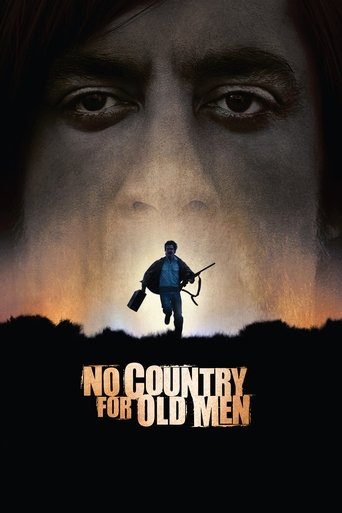
No Country for Old Men (2007)
Released the same year, this bleak, spare American film shares the era's austerity and its dry, ruthless view of the West.
Compare another approach
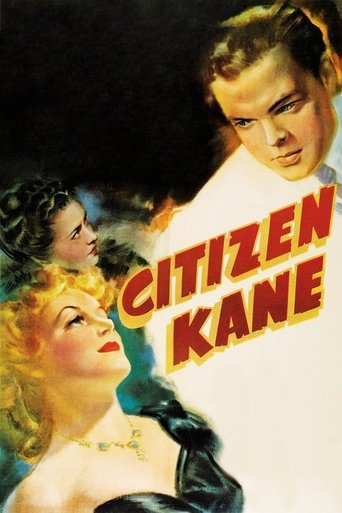
Citizen Kane (1941)
Compare how two films portray a dominating American figure across decades, and how each handles scale, ambition and the ambiguity of its protagonist.