Drama · Romance · Comedy
The Worst Person in the World
Norwegian (Verdens verste menneske)
2021 · Directed by Joachim Trier · 128 min


Drama · Romance · Comedy
Norwegian (Verdens verste menneske)
2021 · Directed by Joachim Trier · 128 min






Meaning, unpacked
Central idea
The film can be read as an inquiry into what it means to be an adult when every path stays theoretically open: Julie's struggle is less about choosing the right person or job than about living with having chosen at all.
What it means
The Worst Person in the World is about what it means to be an adult when every path stays theoretically open. Julie's struggle is less about choosing the right person or the right job. It is about living with the fact that she has chosen at all. The film borrows the shape of a romantic comedy, but it cares far more about her sense of self, and her relationship to time, work and motherhood, than about which man wins her.
The film is built like a book: a prologue, twelve chapters and an epilogue. That order seems to promise a coherent life, and the gentle irony is that Julie can't find one. Narration and her own writing keep asking who gets to tell a life. Is she the lead in hers, or a minor character in other people's? Illness and loss cut through her self-absorption and ask what time is for. Maybe the film's quiet gift is this: a life doesn't have to arrive in tidy chapters to count as yours.
Why it mattered
Joachim Trier and his co-writer Eskil Vogt took the familiar romantic-comedy structure and used it to ask what a modern adult life is for. They did it with warmth and wit, in a literary, chaptered form. At Cannes in July 2021 it competed for the Palme d'Or, and Renate Reinsve won Best Actress. Critics praised its wit, its emotional honesty and its performances.
It also showed that an intimate, novelistic character study could still reach audiences well beyond Norway. Its fantasy is handled plainly: the frozen Oslo sequence was built with careful choreography and extras, not heavy digital effects, so imagination feels like part of ordinary emotional life. It earned two Oscar nominations, for Best International Feature Film and Best Original Screenplay, though it won neither.
Before anyone tells you what to think: what did you make of it?
Log in to rate it and leave commentsIt takes one click with Google or an email link. You come straight back here.
Rate it, keep your notes, and find the next film.
Free, no ads. Your journal, your lists, a Cine Guide that remembers you.
Create your free spaceThe film helped launch Reinsve's international career and brought new attention to Norwegian cinema. Its candid, chaptered treatment of modern relationships has become a touchstone for later European and American films about adulthood and indecision.
It lives on outside cinemas too. Its title became online shorthand for anxious, self-critical indecision, and the run through frozen Oslo is shared as an image of new infatuation. Aksel's clash over his comic and Julie's essay on sex and power fed arguments about taste, offence and generational difference. Today it is widely seen as the finest film of Trier's career and one of the defining character studies of its decade, especially loved by viewers in their twenties and thirties who recognise Julie's uncertainty. Its balance of comedy and sorrow is what people talk about most.
What happens
Aksel dies and Julie and Eivind have separated. Later, working as a film-set photographer, she sees Eivind with a child and a new partner. They share a calm, friendly greeting, and Julie walks away alone.
The last image
Julie walks away alone, her life still unsettled, but at peace with herself.
What it says
The ending refuses a romantic winner or a neat resolution. Julie's life isn't fixed, but she no longer needs to escape it. The film suggests a life doesn't have to arrive in tidy chapters to count as yours.
Or follow an idea from this film
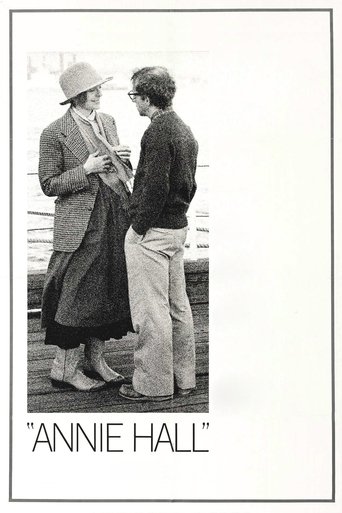

Compare another approach
Annie Hall (1977)
Another comic, self-aware study of a relationship and its end. Compare how each film uses structure and a narrator's shifting point of view.
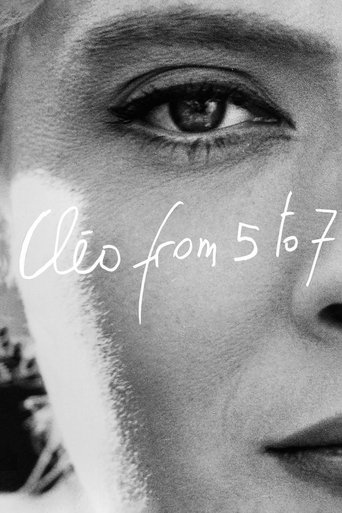
Follow the idea
Cléo from 5 to 7 (1962)
Varda's chaptered portrait of a woman examining herself in a city is a clear forerunner of the film's structure and mood.

Explore the era or movement
Drive My Car (2021)
Released the same year, it is another quiet, literate study of love, loss and communication, with a different cultural setting and a much slower rhythm.
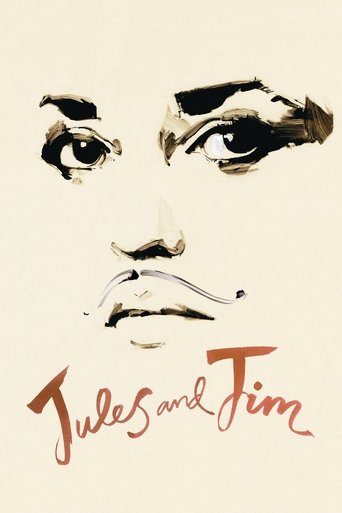
See what influenced it
Jules and Jim (1962)
Truffaut's New Wave romance of shifting affections shows the free-flowing, emotionally honest style Trier draws on.
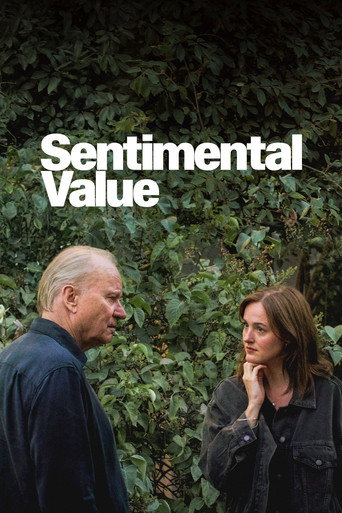
Continue the director
Sentimental Value (2025)
Trier's later film reunites him with Reinsve and shows how his concerns have widened from romantic indecision to family and creative inheritance.