Drama · Crime · Thriller
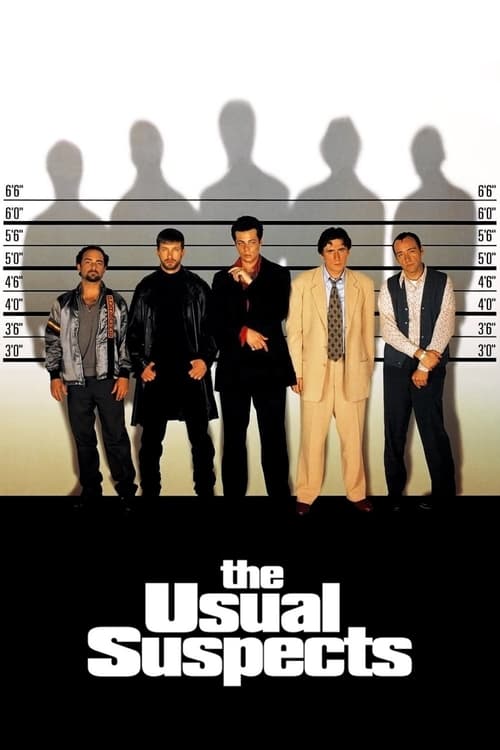
The Usual Suspects
American
1995 · Directed by Bryan Singer · 106 min


Drama · Crime · Thriller
American
1995 · Directed by Bryan Singer · 106 min




Meaning, unpacked
Central idea
The film is fundamentally about the power of storytelling. It can be read as a study of how a convincing narrative, built from detail and reputation, can shape what listeners, and an audience, accept as true.
What it means
At its heart, The Usual Suspects is about the power of storytelling. Verbal Kint talks, and Kujan listens. Detail, confidence and a good legend stand in for evidence, and whoever controls the narrative controls the room. In the last minutes, you learn the room was never what Kujan thought it was.
The themes grow from that idea. Keyser Söze is feared almost entirely through what is said about him, so rumour does the work that force would otherwise do. Kujan is certain whom to blame, and that certainty becomes part of the story he is handed. Verbal's meek, unthreatening manner shows how little we know about the person in front of us. The telling of Söze's origin is the whole film in miniature: one vivid, persuasive speech builds a legend.
Why it mattered
The film's big idea came from Christopher McQuarrie's screenplay. An interrogation frames the story, with flashbacks and dialogue layered inside it, so every scene moves the plot forward and shapes how the story is told. His script won an Academy Award, and Kevin Spacey won one too, for Best Supporting Actor.
It arrived as part of the 1990s independent crime-thriller wave, and it showed that a talky, noir-flavoured ensemble story could reach a wide audience. John Ottman edited the film and composed its score, so the cutting rhythm and the music were designed together. Newton Thomas Sigel's dark, high-contrast images hide as much as they show, which suits a film about deception.
Before anyone tells you what to think: what did you make of it?
Log in to rate it and leave commentsIt takes one click with Google or an email link. You come straight back here.
Rate it, keep your notes, and find the next film.
Free, no ads. Your journal, your lists, a Cine Guide that remembers you.
Create your free spaceIts influence was large. It helped make the twist ending a selling point of late-1990s thrillers, and it encouraged narrators and interrogation frames in crime stories. It launched McQuarrie's career and raised Bryan Singer's profile. The name Keyser Söze became shorthand for a hidden mastermind, and Verbal's line about the devil convincing the world he didn't exist is among the most quoted in the film.
The theatrical run was modest, but word of mouth and home video made it a favourite. Today it is a reference point for the twist-ending thriller, and people rewatch it to see how it was built. Critics still argue about how fairly it plays with its audience, and some say the flashbacks don't fully fit together. That debate is now part of its reputation. And perhaps the neatest trick is that you were Kujan too. You listened, and you believed.
What happens
Kujan realizes that Verbal built his story from objects on the office bulletin board. As Verbal walks out, his limp vanishes, a police sketch matches his face, and he drives away. Verbal is Keyser Söze.
The last image
Verbal, no longer limping, steps into a waiting car and disappears into the traffic.
What it says
The ending shows that a confident story can stand in for evidence. Kujan believed what he was handed because it fit his certainty, and so did you. The film ends this way to make you feel how easily a narrator controls the room.
Or follow an idea from this film

Follow the idea
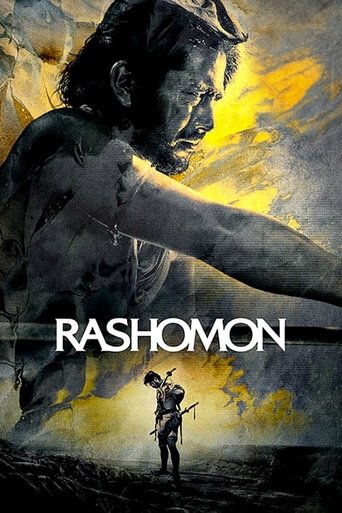
Rashomon (1950)
Kurosawa's film, like this one, is built from told accounts and asks how much a story can be trusted. It is the classic starting point for that idea.
See what influenced it
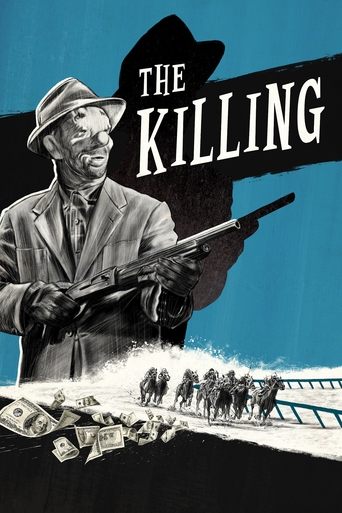
The Killing (1956)
Kubrick's heist thriller uses an ensemble of criminals and a time-shifting structure that this film clearly inherits.
Explore the era or movement
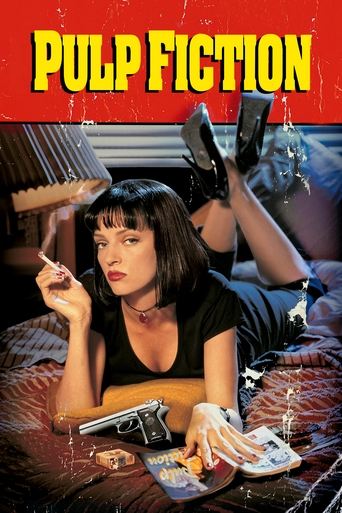
Pulp Fiction (1994)
The most celebrated crime film of the same indie wave shows the same love of dialogue, structure and criminal types.
See its influence
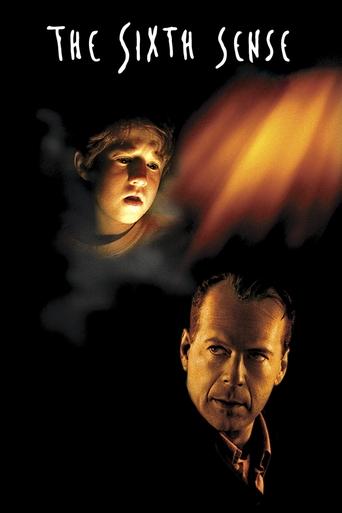
The Sixth Sense (1999)
A later mainstream thriller that depends on a final reveal, showing how widely the twist-ending model spread.
Jump forward
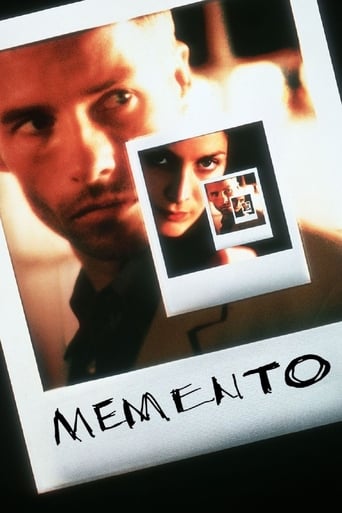
Memento (2000)
Christopher Nolan's mystery plays with narrative control and what an audience is told, taking the 1990s puzzle thriller further.