Drama · Fantasy
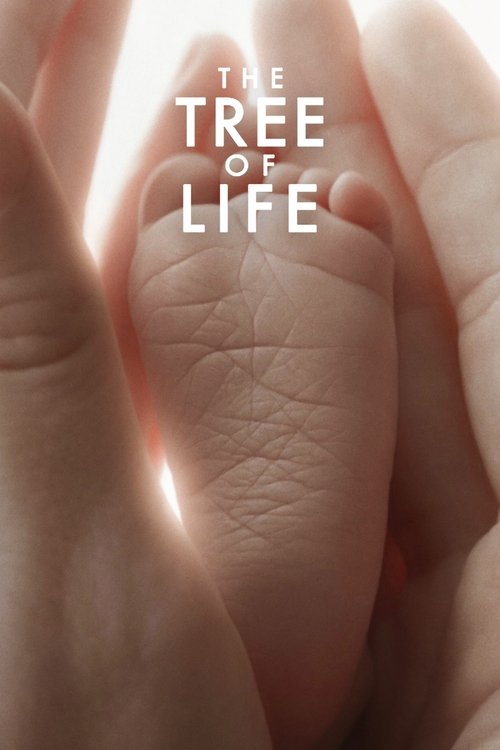
The Tree of Life
American
2011 · Directed by Terrence Malick · 139 min


Drama · Fantasy
American
2011 · Directed by Terrence Malick · 139 min









Meaning, unpacked
Central idea
The film sets one family's grief and quarrel with a harsh father beside the scale of creation, asking how a small human life holds meaning in a universe that can seem indifferent. It can be read as a dialogue between two ways of living, nature and grace.
What it means
A family in a Texas suburb: a stern father, a gentle mother, and an adult Jack looking back on his boyhood through grief. That is all the plot you need. The Tree of Life is not really about what happens. It is about what it feels like to remember.
The film opens by naming two ways through life, nature and grace. The mother stands for love and forgiveness, the father for ambition and discipline. Jack absorbs both, fears his father, and sees himself in him, which is why his adult guilt weighs so much. Then the film leaves the family for galaxies, oceans and the first forms of life, and treats private grief with awe, not irony. The whispered question of why the innocent suffer is never answered, only set against the scale of time. Perhaps that is its quiet argument: meaning is not explained to us. We recognise it, in light and in memory, when we stop asking for an answer.
Why it mattered
In 2011, a film like this was a gamble. It carried the poetic, non-narrative tradition of Tarkovsky and Kubrick's 2001 into a star-led picture, with Brad Pitt, Jessica Chastain and Sean Penn, and it dispensed with ordinary plotting. It showed how far narrative cinema can move toward memory, prayer and pure image.
Childhood arrives as sensation. Emmanuel Lubezki shoots almost entirely in natural light, with a wide-angle lens, often low and close, so the camera wanders the way a child's attention does. The editing follows emotion and association, not continuity, much like real memory. The cosmic images came from Douglas Trumbull, who had worked on 2001. He used liquids, light and smoke, with some digital work, so the sequence feels tactile and a little uncanny. It won the Palme d'Or at Cannes in May 2011, to applause and booing alike.
Before anyone tells you what to think: what did you make of it?
Log in to rate it and leave commentsIt takes one click with Google or an email link. You come straight back here.
Rate it, keep your notes, and find the next film.
Free, no ads. Your journal, your lists, a Cine Guide that remembers you.
Create your free spaceIts natural light, floating camera and whispered voice-over shaped later films about childhood and grief, and "Malickian" became a word critics use. It also proved that audiences and financiers would still back a spiritual, non-narrative work. Its soundtrack, with Desplat's score alongside Bach, Mahler, Smetana and Berlioz, has introduced concert-hall music to many listeners, and religious writers still discuss it, beginning with its opening verse from the Book of Job.
Critics were sharply divided at first. Some called it a landmark of cinematic poetry; others found it pretentious or opaque. It earned three Oscar nominations, for Best Picture, Best Director and Best Cinematography, and won none. Its reputation has risen steadily since. It is now widely seen as the peak of Malick's later style and one of the key films of the 2010s, though its method still divides people.
What happens
Adult Jack walks through a desert and onto a shore where everyone from his past, parents and brothers included, gathers. They embrace in reconciliation. Jack, released from his grief, returns to the city, seemingly at peace.
The last image
Jack, seemingly at peace after the beach, returns to the city of glass towers where we first found him adrift.
Three readings
What it says
The film never answers why the innocent suffer. It ends instead on acceptance. Grace wins out over nature, and Jack can carry his grief and his father's legacy more lightly. Meaning here is recognised, in memory and light, not explained.
Or follow an idea from this film

Continue the director
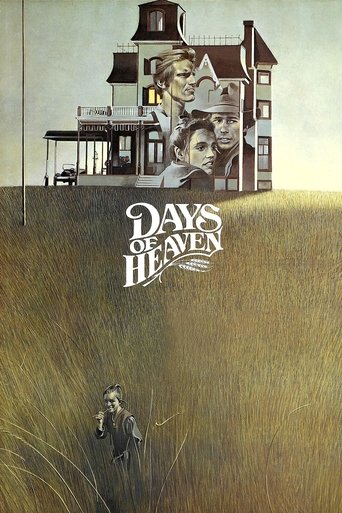
Days of Heaven (1978)
Malick's earlier masterpiece shows the roots of the same style, with natural light, voice-over and nature, in a more conventional story.
See what influenced it
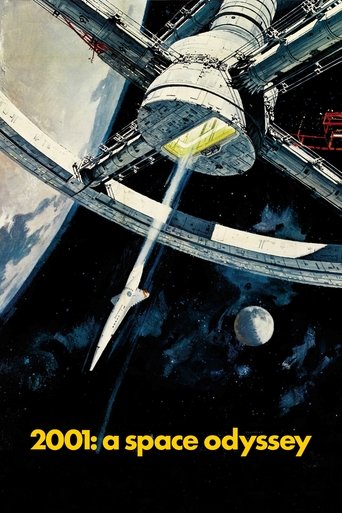
2001: A Space Odyssey (1968)
Compare how Kubrick presents cosmic history and evolution without dialogue, and how the same effects tradition reappears in Malick's creation sequence.
Follow the idea
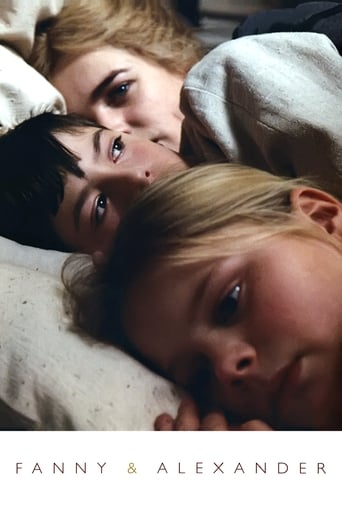
Fanny and Alexander (1982)
Bergman's family saga of childhood, a harsh patriarch figure and spiritual questions is a rich companion to Malick's film.
Compare another approach
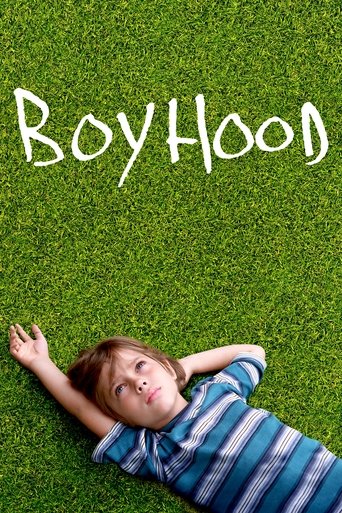
Boyhood (2014)
Two American portraits of growing up, one built on accumulated everyday time, the other on memory and spiritual feeling.
See what influenced it
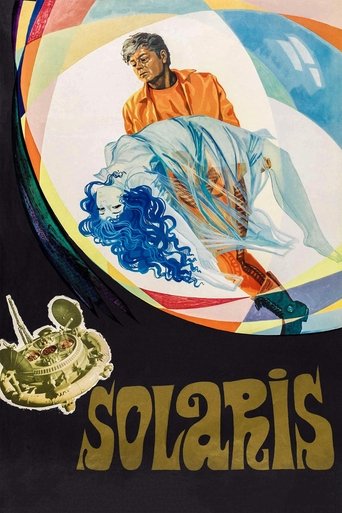
Solaris (1972)
Tarkovsky's meditative science fiction links memory, guilt and cosmic scale, and shows the poetic cinema Malick builds on.