Horror
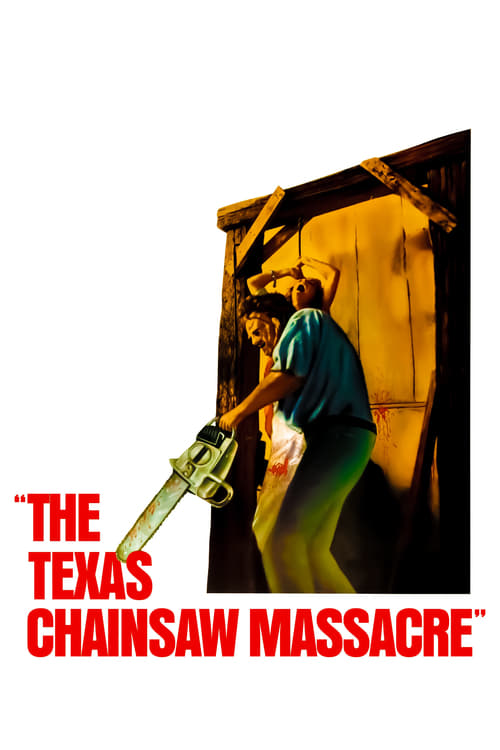
The Texas Chain Saw Massacre
American
1974 · Directed by Tobe Hooper · 83 min


Horror
American
1974 · Directed by Tobe Hooper · 83 min









Meaning, unpacked
Central idea
The film can be read as an inversion of the American family and the countryside: a world where domestic routines, food, work and kinship are bent into something monstrous, and where civilised rules offer no protection.
What it means
At its heart, this is a nightmare about vulnerability. Five friends drive through rural Texas and run into a family where the ordinary rules have collapsed, and where people are treated as meat. Leatherface kills them one by one, and Sally, the last survivor, is tormented at the family's dinner table before she escapes.
The killers are a household, with roles, rituals and table manners, so the horror is not outside the family but a twisted version of it. Food, slaughter and bodies as raw material run through everything. A closed slaughterhouse and a failing gas station hint at lost work and desperation, though the film only implies that. The victims are casual and trusting, which leaves their world feeling unprotected, and the film never offers a moral order that makes sense of what happens.
Why it mattered
It shifted horror away from gothic, supernatural stories toward grounded, contemporary American fear. Hooper made it on a very small budget, shooting in the Texas summer heat on grainy 16mm, outside the studio system. Practical solutions replaced expensive effects, and that stripped-down look became part of its power.
Its craft was new in how it worked on the audience. The score is built from scrapes, bangs and distorted noise. The camera stays close on eyes, hands and faces, in harsh light. The editing alternates long waits with sudden bursts, so you never know when the shock is coming. The result feels raw and real, like evidence rather than entertainment.
Before anyone tells you what to think: what did you make of it?
Log in to rate it and leave commentsIt takes one click with Google or an email link. You come straight back here.
Rate it, keep your notes, and find the next film.
Free, no ads. Your journal, your lists, a Cine Guide that remembers you.
Create your free spaceIt helped define the stalking-killer film, the near-silent masked monster, and grim, low-budget independent horror. It shaped the backwoods and slasher traditions, including Halloween, and its documentary-like manner and sound design influenced generations of horror filmmakers. Even its false-document opening anticipated later films that sold fiction as found truth. Leatherface anchors a long run of sequels, remakes and a franchise.
Reception at the time was sharply divided. Some critics condemned it as sadistic, others saw serious craft, and it was banned or cut in several countries. Yet it found a large audience and was a notable commercial success for its cost. Once dismissed as exploitation, it is now seen as a landmark of American horror and independent cinema, shown in museums and taught in film courses.
What happens
Sally leaps through a window and flees down the highway. A passing truck kills the hitchhiker chasing her, and a pickup carries her away. Leatherface is left in the road. Nothing has been explained, and nothing is resolved.
The last image
At dawn, Leatherface swings his chainsaw in the road as Sally rides away, screaming and laughing.
What it says
Sally survives, but nothing is restored. Her screaming and laughing together show a mind pushed past reason, and Leatherface's furious dance suggests the horror simply carries on. The film refuses comfort because it offers no moral order to return to.
Or follow an idea from this film

See what influenced it
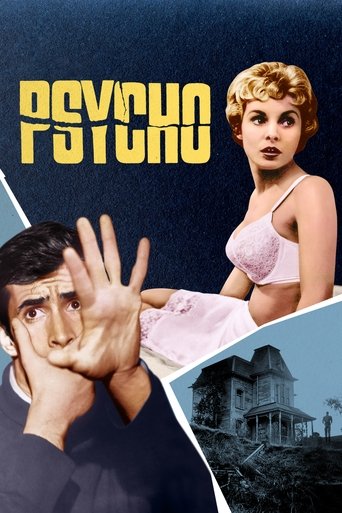
Psycho (1960)
The earlier classic that drew on the same real-life case and showed how a seemingly normal household can hide horror, though with far more elegance.
Compare another approach
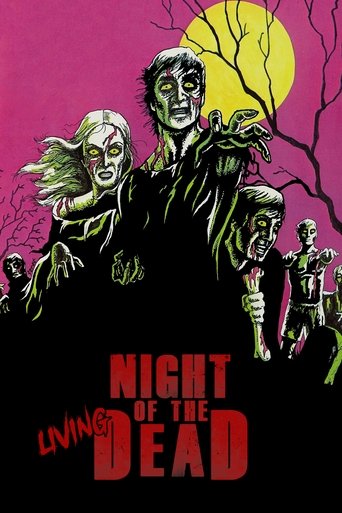
Night of the Living Dead (1968)
Another independent, bleak, contemporary American horror film made on a tiny budget, with a similarly raw approach.

See its influence
Halloween (1978)
Shows how the film's ideas turned into the slasher formula, with a more controlled, suspense-driven style.
Explore the era or movement
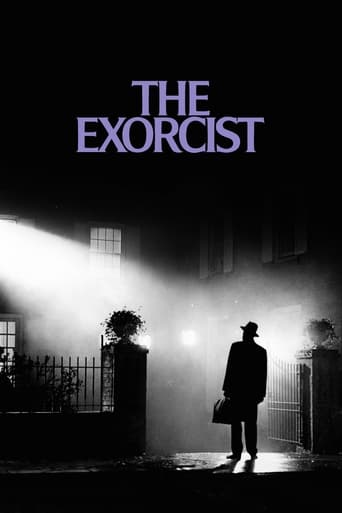
The Exorcist (1973)
A year earlier, a very different 1970s horror landmark, big-budget and studio-made, showing the range of the genre at the time.
Jump forward
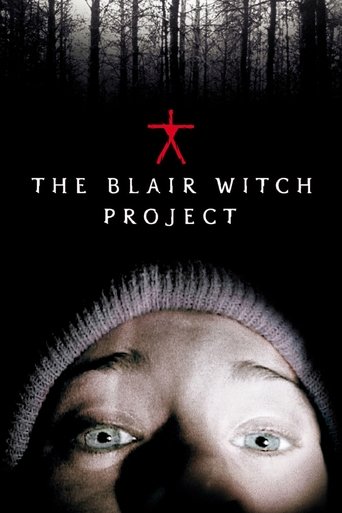
The Blair Witch Project (1999)
Carries forward the low-budget, claim-of-reality approach into a new era.